
Full text loading...



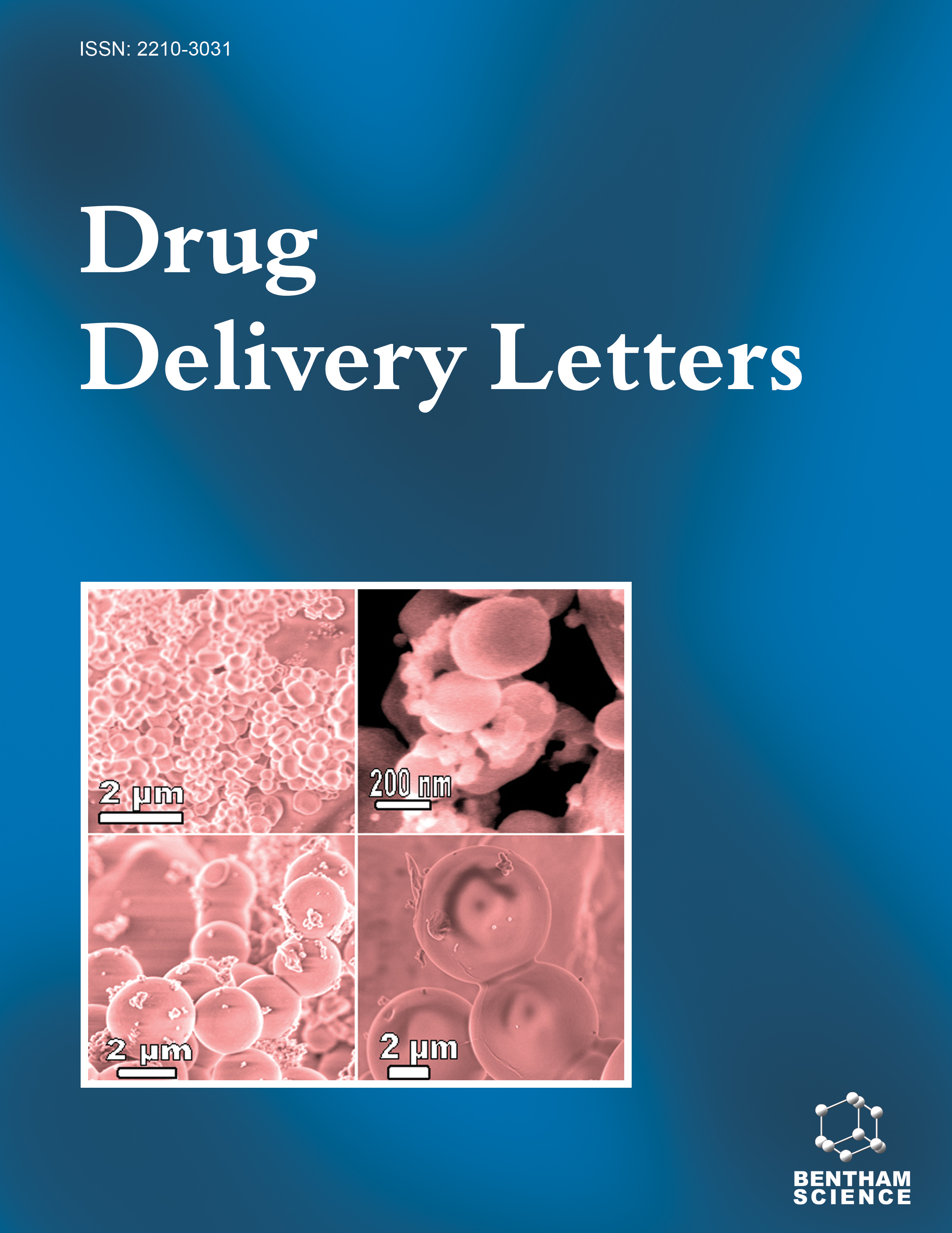
Duloxetine Hydrochloride is a selective serotonin and norepinephrine reuptake inhibitor (SSNRI) commonly prescribed for the treatment of depression and anxiety disorders. Despite its efficacy, frequent dosing can lead to poor patient compliance and increased side effects. This study aims to develop sustained-release liposomal formulations of Duloxetine Hydrochloride to enhance therapeutic efficacy, reduce dosing frequency, and improve patient adherence.
Two formulation techniques-physical dispersion and ether injection-were utilized to prepare Duloxetine Hydrochloride-loaded liposomes. Soya lecithin and cholesterol were used as key lipid components to facilitate sustained release. Organic solvents, including chloroform, ether, and methanol, were used in the drug loading process. Phosphate buffer (pH 6.8) served as the hydration medium. The formulations were evaluated for morphology, particle size, entrapment efficiency, and in vitro drug release.
Both methods successfully produced liposomes with sustained-release properties. The ether injection method resulted in more uniform and stable vesicles with higher entrapment efficiency. Drug release studies showed prolonged release profiles for both techniques, with the ether injection method demonstrating a more controlled release pattern.
While both formulation methods proved effective for sustained drug delivery, the ether injection method offered superior entrapment efficiency and drug release control. The physical dispersion method, however, showed acceptable stability and may be preferred for simpler preparation processes.
This comparative study suggests that the ether injection method is more suitable for achieving extended release of Duloxetine Hydrochloride. In contrast, the physical dispersion method remains a viable alternative for preparing stable liposomes. These findings support the potential of liposomal delivery systems in enhancing the pharmacokinetic profile of antidepressants.