
Full text loading...



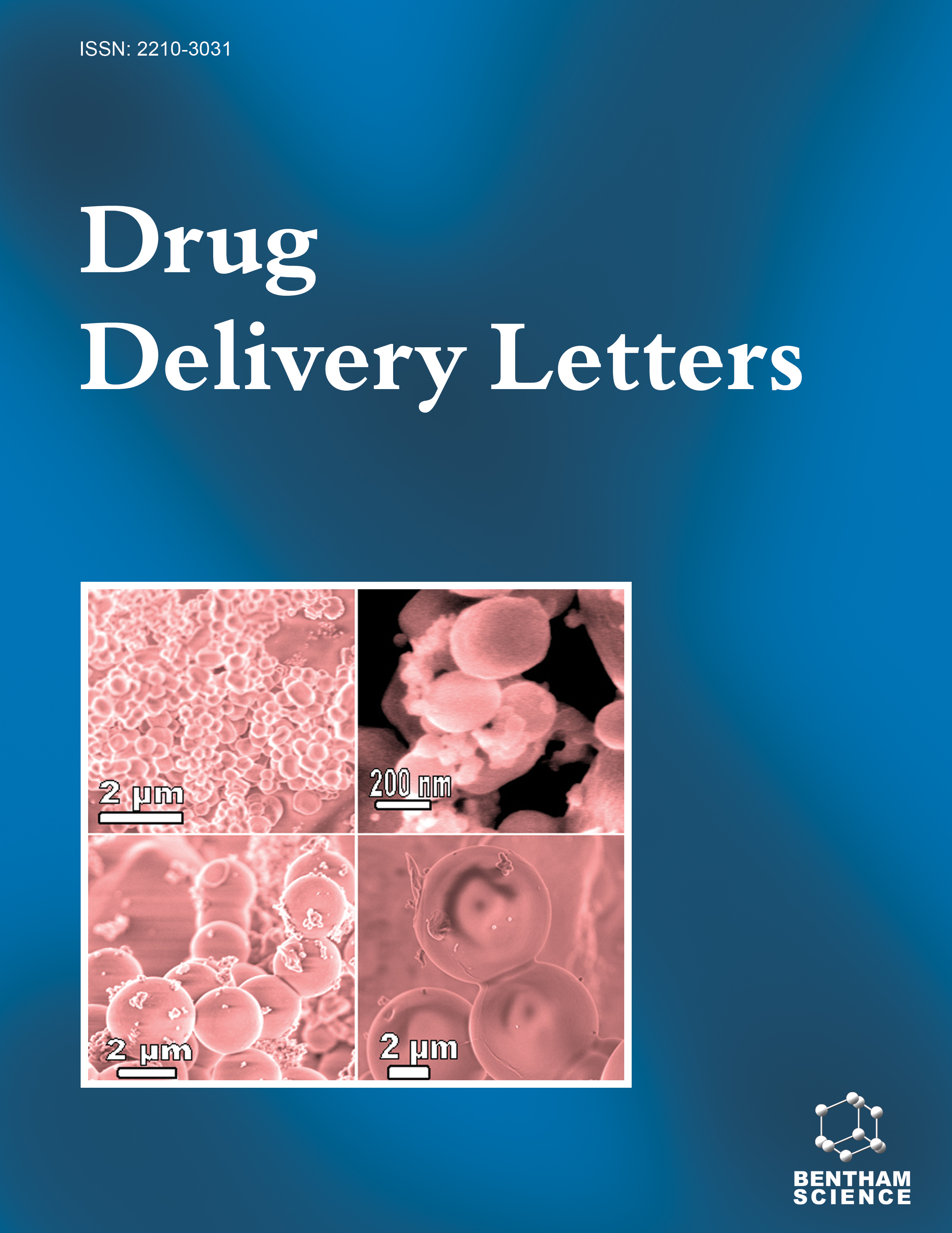
Objective: The present study was aimed at developing and exploring the use of PEGylated Poly (propyleneimine) dendrimers for the delivery of an anti-diabetic drug, insulin. Methods: For this study, 4.0G PPI dendrimer was synthesized by successive Michael addition and exhaustive amidation reactions, using ethylenediamine as the core and acrylonitrile as the propagating agent. Two different activated PEG moieties were employed for PEGylation of PPI dendrimers. Various physicochemical and physiological parameters UV, IR, NMR, TEM, DSC, drug entrapment, drug release, hemolytic toxicity and blood glucose level studies of both PEGylated and non- PEGylated dendritic systems were determined and compared. Results: PEGylation of PPI dendrimers caused increased solubilization of insulin in the dendritic framework as well as in PEG layers, reduced drug release and hemolytic toxicity as well as increased therapeutic efficacy with reduced side effects of insulin. These systems were found to be suitable for sustained delivery of insulin by in vitro and blood glucose-level studies in albino rats, without producing any significant hematological disturbances. Conclusion: Thus, surface modification of PPI dendrimers with PEG molecules has been found to be a suitable approach to utilize it as a safe and effective nano-carrier for drug delivery.