
Full text loading...



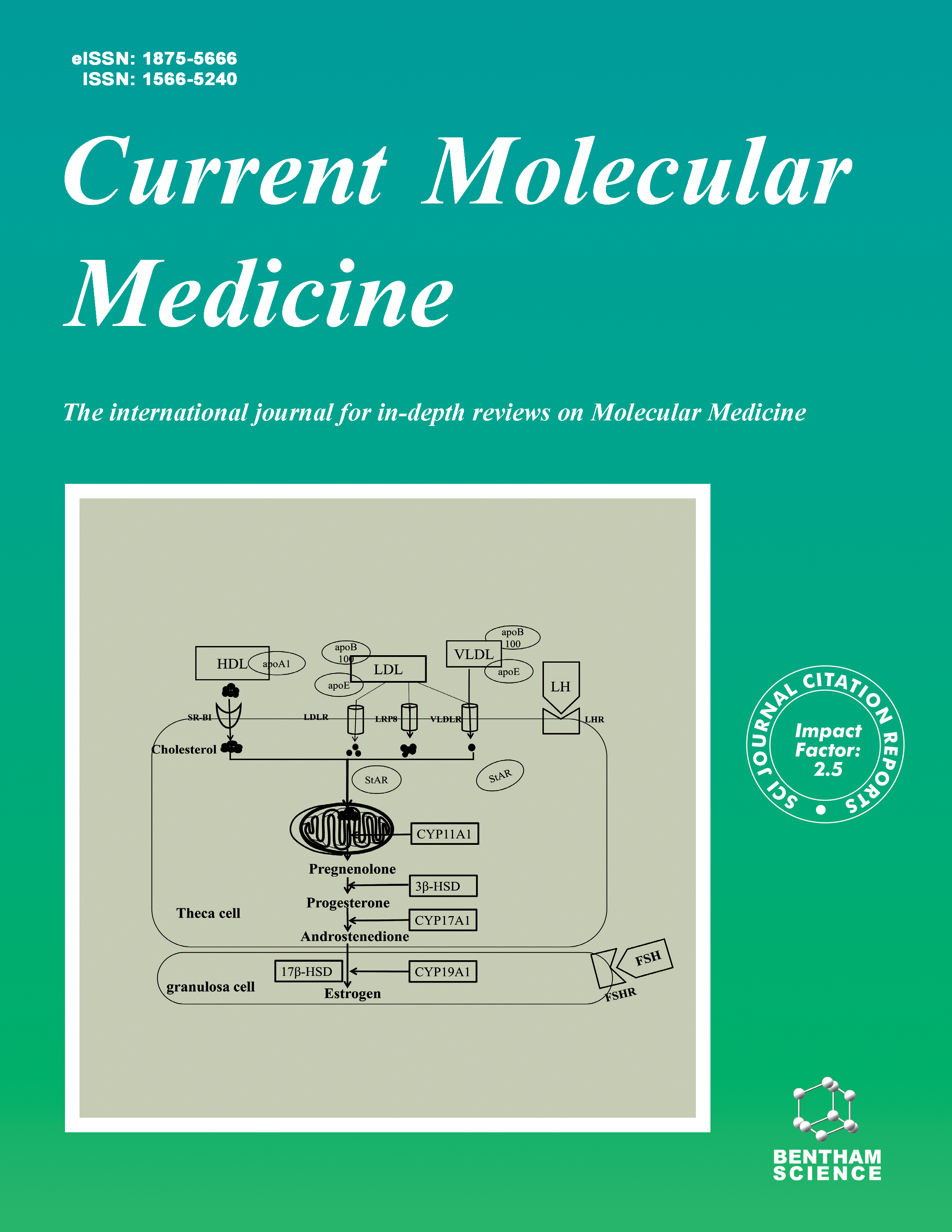
Endometriosis is a chronic disorder characterized by abnormal endometrial tissue growth. This study evaluates a novel combination immunomodulatory treatment involving etanercept (ETN) and exosomes derived from human Wharton's jelly mesenchymal stem cells (hWJMSC-Exo) as a promising alternative to conventional therapies for modulating inflammation in endometriosis.
Endometrial stromal cells were isolated by enzymatic digestion of eutopic (EuESCs, N = 6) and ectopic (EESCs, N = 6) tissues of endometriosis patients and non-endometriotic controls (CESCs, N = 6). hWJMSC-Exo were confirmed by flow cytometry, SEM, and DLS tests. Cells were treated with varying concentrations of ETN (0-40 µg/ml), hWJMSC-Exo (0-15 μg/ml), and their combination (E+E). IC50 values were determined using the MTT assay at 24, 48, and 72 hours. Protein levels of TNF-α, VEGF-A, and IL-10, and gene expression of MMP-2, MMP-9, MCP-1, aromatase, TSLP, and TGF-β1 were measured using ELISA and RT-PCR, respectively.
The combination of ETN (10 µg/ml) and hWJMSC-Exo (10 μg/ml) at 24 and 48 hours, respectively, reduced protein expression of TNF-α, VEGF-A, and IL-10 in EESCs, EuESCs, and CESCs compared with untreated groups (P < 0.001). Additionally, E+E treatment significantly reduced mRNA expression of MMP-2, MMP-9, MCP-1, aromatase, TSLP, and TGF-β1 in all three groups compared to untreated groups.
This combination therapy improves inflammation, angiogenesis, tissue remodeling, and immune regulation in endometriosis. However, clinical validation and long-term safety require further in vivo studies with larger sample sizes.
Article metrics loading...
Full text loading...
References
Data & Media loading...