


Bentham Science Publishers
Bentham Science Publishers is a major publisher of more than 100 peer-reviewed science, technology and medical (STM) journals, along with a rapidly growing collection of eBooks. Since 1993, Bentham Science Publishers has been catering to the information needs of the pharmaceutical, engineering, biomedical and medical research community.201 - 220 of 1975 results
-
-
Anti-Infective Agents in Medicinal Chemistry
More LessAnti-Infective Agents in Medicinal Chemistry aims to cover all the latest and outstanding developments in medicinal chemistry and rational drug design for the discovery of new anti-infective agents.
Each issue contains a series of timely in-depth reviews written by leaders in the field covering a range of current topics in anti-infective medicinal chemistry.
Anti-Infective Agents in Medicinal Chemistry is an essential journal for every medicinal chemist who wishes to be kept informed and up-to-date with the latest and most important developments in anti-infective drug discovery.
-
-
-
Anti-Inflammatory & Anti-Allergy Agents in Medicinal Chemistry
More LessAnti-Inflammatory & Anti-Allergy Agents in Medicinal Chemistry aims to cover all the latest and outstanding developments in medicinal chemistry and rational drug design for the discovery of new anti-inflammatory and anti-allergy agents, metabolic and biochemical effects of drugs, rational drug design using chemical and analytical methods, and drug dispensing and its harmful effects.
The journal publishes full-length mini-reviews, original research articles, drug clinical trial studies, and special topic issues. Anti-Inflammatory & Anti-Allergy Agents in Medicinal Chemistry is an essential journal for every medicinal chemist who wishes to be kept informed and up-to-date with the latest and most important developments in the field.
Anti-Inflammatory & Anti-Allergy Agents in Medicinal Chemistry is an international, peer-reviewed journal on medicinal chemistry and rational drug design, published quarterly (print & online) by Bentham Science Publishers.
-
-
-
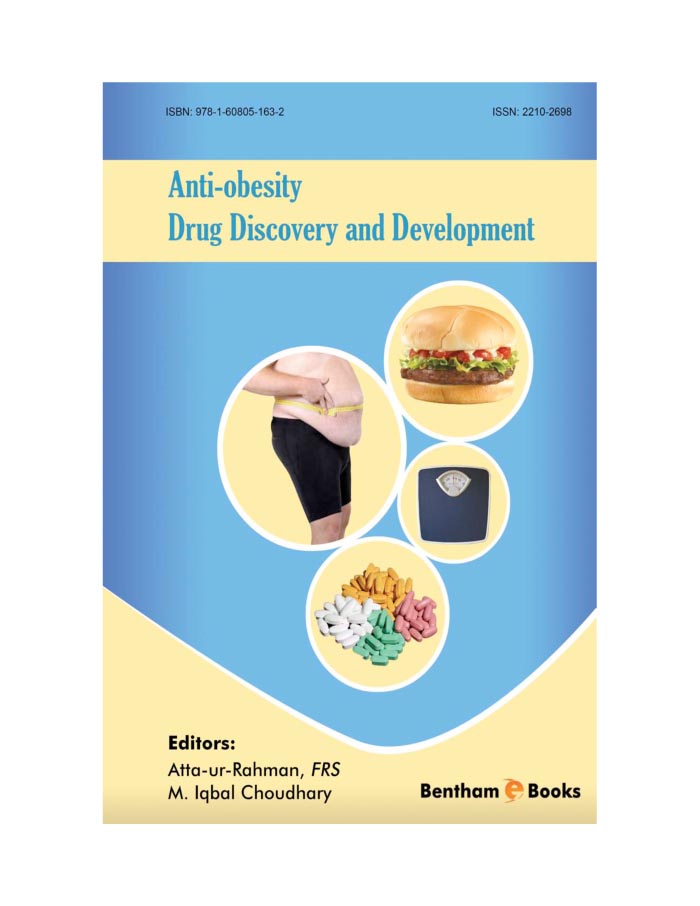
Anti-Obesity Drug Discovery and Development: Volume 1
More LessObesity is a complex health problem, caused by a number of factors such as excessive food intake, lack of physical activity, genetic predisposition, endocrine disorders, medications and psychiatric illnesses. Onset of obesity in both the developing and the developed world has reached epidemic proportions. In response to this, efforts to control and treat obesity have also been vigorously pursued, ranging from raising awareness about lifestyle changes to the discovery and development of safe and effective anti-obesity drugs.
Anti-obesity Drug Discovery and Development is focused on this very important area of healthcare research. Fifteen well written reviews make this special volume an excellent compilation of recent developments in anti-obesity treatment. The reviews cover a variety of topics including the development of specific, safe and effective receptor antagonists, the role of epithelial endocrine cells and post operative treatment strategies. This book should be useful to clinicians and medicinal chemists involved in ant-obesity research and therapy.
-
-
-
Anti-Obesity Drug Discovery and Development: Volume 2
More LessObesity is a complex health problem, caused by a number of factors such as excessive food intake, lack of physical activity, genetic predisposition, endocrine disorders, medications and psychiatric illnesses. Onset of obesity in both the developing and the developed world has reached epidemic proportions. In response to this, efforts to control and treat obesity have also been vigorously pursued, ranging from raising awareness about lifestyle changes to the discovery and development of safe and effective anti-obesity drugs.
Anti-obesity Drug Discovery and Development is focused on this very important area of healthcare research. Fifteen well written reviews make this special volume an excellent compilation of recent developments in anti-obesity treatment. The reviews cover a variety of topics including the development of specific, safe and effective receptor antagonists, the role of epithelial endocrine cells and post operative treatment strategies. This book should be useful to clinicians and medicinal chemists involved in ant-obesity research and therapy.
-
-
-
Anti-Obesity Drug Discovery and Development: Volume 3
More LessObesity is a complex health problem, caused by a number of factors such as excessive food intake, lack of physical activity, genetic predisposition, endocrine disorders, medications and psychiatric illnesses. Onset of obesity in both the developing and the developed world has reached epidemic proportions. In response to this, efforts to control and treat obesity have also been vigorously pursued, ranging from raising awareness about lifestyle changes to the discovery and development of safe and effective anti-obesity drugs.
Anti-obesity Drug Discovery and Development is focused on this very important area of healthcare research. The third volume of this series is dedicated to anti-obesity treatments including updates on new therapeutics for obesity, Nesfatin-1 and its therapeutic uses, the role of proteomics in pediatric anti-obesity treatment, the role of oxidative stress in childhood obesity and a review of data on gut microbiota as a treatment option for obesity.
-
-
-
Anti-Obesity Drug Discovery and Development: Volume 4
More LessObesity is a complex health problem, caused by a number of factors such as excessive food intake, lack of physical activity, genetic predisposition, endocrine disorders, medications and psychiatric illnesses. The incidence of obesity among populations in both the developing and the developed world has reached epidemic proportions. In response to this, efforts to control and treat obesity have also been vigorously pursued, ranging from activities focused on raising awareness about lifestyle changes to the discovery and development of safe and effective anti-obesity drugs. Anti-obesity Drug Discovery and Development is a book series focused on this very important area of healthcare research. Each volume presents insightful updates on pharmaceutical research and development for clinical researchers and healthcare professionals involved in obesity treatment programs.
The fourth volume of this series covers 6 reviews on anti-obesity treatment strategies including updates on obesity and cancer prevention through dietary modulation, the role of anti-obesity medications in polycystic ovary syndrome, potential anti-obesity strategies targeting mitochondria, calcium silicate based formulations for anti-obesity therapy, and the identification of obesity medications from natural products and plants.
-
-
-
Anti-Obesity Drug Discovery and Development: Volume 5
More LessObesity is a complex health problem, caused by a number of factors such as excessive food intake, lack of physical activity, genetic predisposition, endocrine disorders, medications and psychiatric illnesses. The incidence of obesity among populations in both the developing and the developed world has reached epidemic proportions. In response to this, efforts to control and treat obesity have also been vigorously pursued, ranging from activities focused on raising awareness about lifestyle changes to the discovery and development of safe and effective anti-obesity drugs. Anti-obesity Drug Discovery and Development is a book series focused on this very important area of healthcare research. Each volume presents insightful updates on pharmaceutical research and development for clinical researchers and healthcare professionals involved in obesity treatment programs.
The fifth volume of this series is a compilation of 6 reviews of interesting topics on the subject that highlight different aspects of obesity treatment and management, some of which are novel approaches. Topics covered in this volume include:
- the effect of sleep on weight and obesity management
- AMPK as a postulated target for metabolic syndrome and obesity
- Harnessing addiction neuroscience to treat obesity
- Current treatment of obesity versus the next generation of anti-obesogenic drugs: an ecologically and sustainable approach to health
- Leptin and leptin sensitizers for the treatment of obesity related conditions
- MicroRNAs as targets for the management of obesity
-
-
-
Anti-infective Research and Development: Updates on Infection Mechanisms and Treatments
Frontiers in Anti-infective Agents: Volume 2
More LessThis volume of Frontiers in Anti-Infective Agents provides updates on the most recent studies about anti-infective agents, their mechanism of action, the relevant molecular targets and their implication in the development of novel antibiotics that have properties similar to their corresponding compounds of natural origin. The initial chapter covers the mode of action of natural antimycobacterial compounds such as nordihydroguaiaretic acid, α-mangostin and allicin, as well as antimicrobial peptides and their role in the innate and adaptive immune response leading to the decrease of microbial resistance. This is followed by updates on tuberculosis treatment concerning the immunological role of cells (airway epithelial cells, macrophages, neutrophils and T cells) along with their products (chemokines, cytokines) and other processes such as autophagy that influence the outcome of the host immune response to the infection. Contributors have also reviewed the latest knowledge in the cellular and molecular mechanisms that trigger a protective, immune response and the identification of the molecular targets for vaccine development, all of which are a key priority to develop control measures against Babesia species like Babesia bovis and Babesia bigemina. Additionally, the neuro-endocrine and neuro-immune mechanisms behind host responses against stress and environmental stimuli during infections are also covered in separate chapters. The volume also provides updates related to Helicobacter pylori pathogenesis. The reviews presented in Anti-infective Research and Development provide timely updates for scholars and professionals associated with the field of antimicrobial research and development.
-
-
-
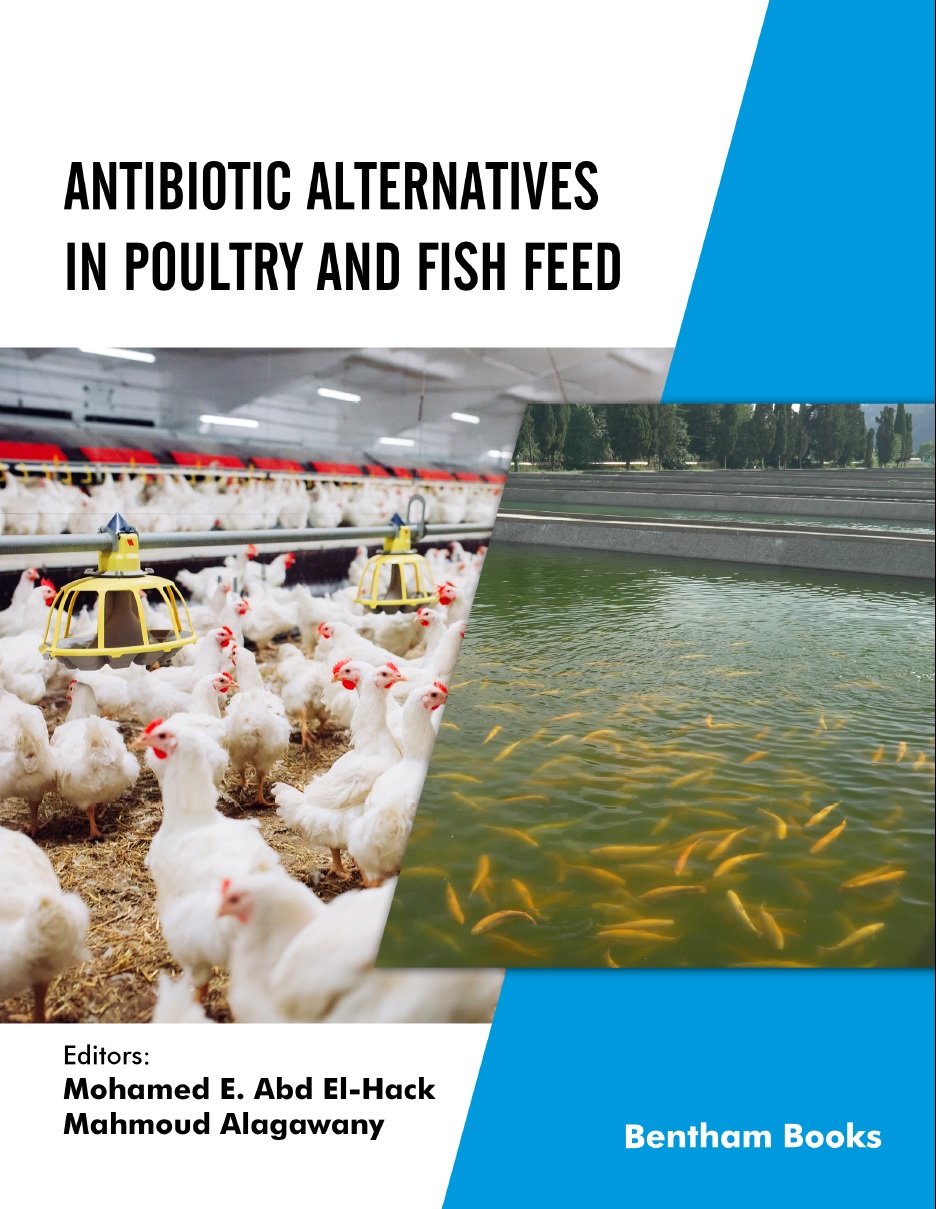
Antibiotic Alternatives in Poultry and Fish Feed
More LessThis handbook focuses on the use of antibiotic alternatives in poultry and fish feed. Chapters in the book cover a range of natural ingredients in feed and the impacts of these natural feed additives on growth, production, reproduction and health status of poultry and fish. All chapters give a holistic approach to how organic feed additives (herbal plants and their extracts, probiotics, peptides, etc.) can positively impact animal health and production.
Key Features:
- presents 13 chapters contributed by 38 experts and scientists of animal, poultry and fish nutrition, poultry and fish physiology, toxicology, pharmacology, and pathology
- highlights the significance of herbal plants and their extracts and derivatives, cold-pressed and essential oils and fruits by-products
- covers the effects of special ingredients such as immunomodulators, antimicrobial peptides, and probiotics
- provides the reader an updated perspective on the use of additives in poultry and fish industry as growth promoters and their role in developing bacterial resistance to antibiotics
- covers the main poultry species, egg-laying hens, quails, geese, ducks, turkey, and commercial fish
- includes references for advanced readers
This book will be useful for poultry and fish keepers and researchers in animal nutrition, pharmacology, and veterinary sciences. Professionals involved in the poultry and fish feed industry will also find the information useful for product development.
-
-
-

Antibiotics and Reproductive Health
More LessIntroduction:
Antibiotics and Reproductive Health explores the intricate interplay between antibiotics and the female reproductive system. This comprehensive volume offers an evidence-based analysis of how antibiotics impact fertility, pregnancy, and breastfeeding, with a special focus on antibiotic resistance and emerging treatment alternatives. Bridging medicine, pharmacology, and reproductive health, the book is structured into nine chapters covering topics from the mechanism of antibiotics in reproductive health to alternative therapies like probiotics and herbal medicine. It provides clinical guidelines and discusses risks such as antibiotic resistance and microbiome disruption.
Key Features:
- Detailed exploration of antibiotic mechanisms in reproductive health.
- Discussion on risks including antibiotic resistance and hormonal effects.
- Examination of alternative therapies like probiotics and herbal medicine.
- Clinical guidelines for antibiotic use in reproductive health.
-
-
-
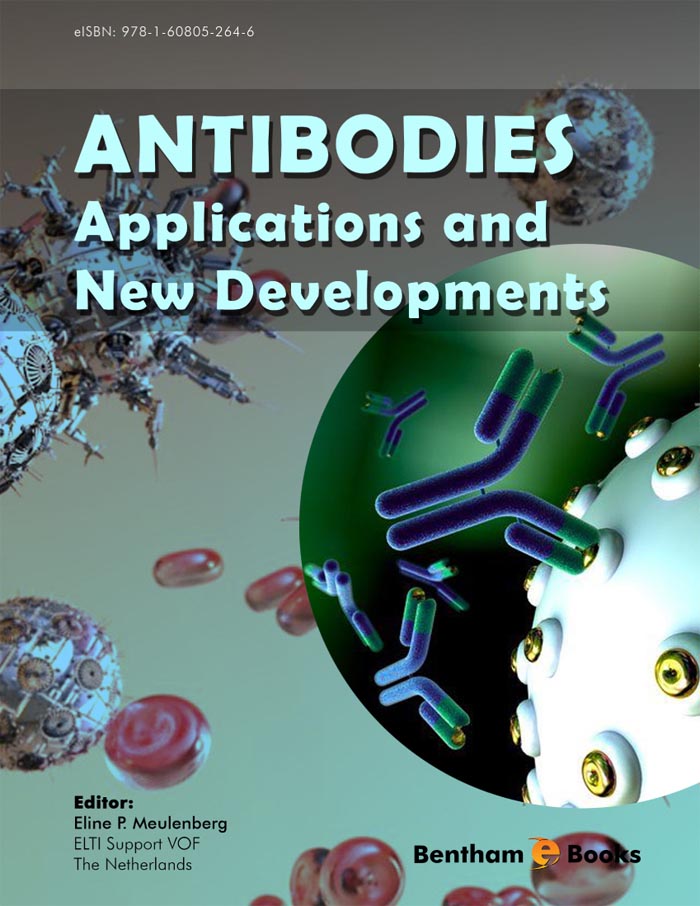
Antibodies Applications and New Developments
More LessAntibodies Applications and New Developments is an overview of the current developments of techniques and methods relating to immunodiagnostics and immunoanalysis. This eBook also deals with specialties in the fields of drug, pesticide, antigen and food contaminant detection. The volume is useful for professional immunologists and biotechnologists interested in antibody research and development.
-
-
-
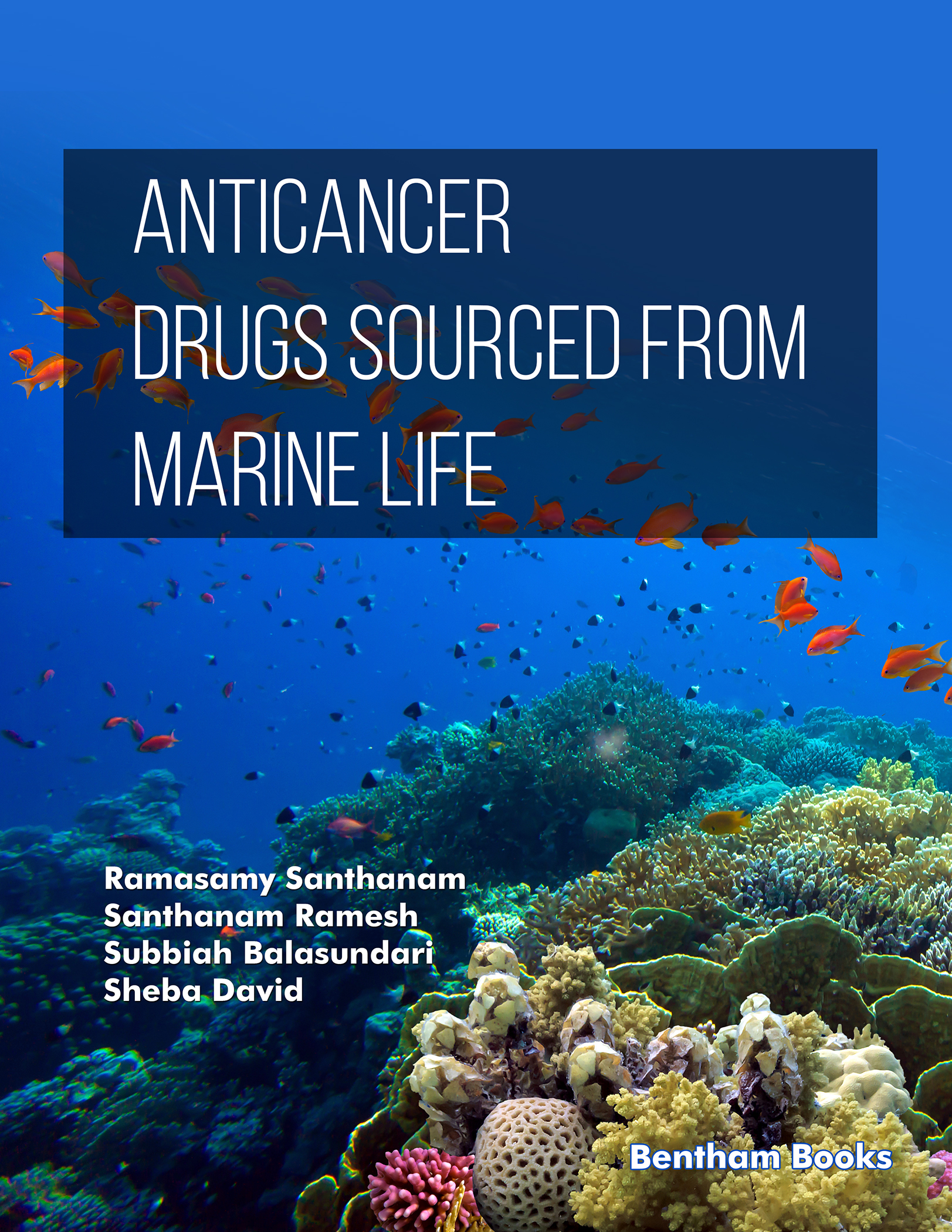
Anticancer Drugs Sourced from Marine Life
Medicinal Chemistry and Marine Life: Volume 1
More LessThis inter-disciplinary volume provides information on anticancer medicines derived from marine organisms. Eight edited reviews extensively list the variety of organisms including marine plants, sponges, cnidarians and fish. Emphasis is placed on the source of the compounds, their structure and mechanism of action. Anticancer peptides from sponges are covered in a dedicated chapter. The specific biology and ecology of marine organisms yielding these anticancer compounds is also highlighted where appropriate. All chapters include detailed references for advanced readers.
This volume is a standard text-cum-reference for teachers, students and researchers of various disciplines such as Biomedical Sciences, Pharmaceutical Sciences, Marine Biology, and Fisheries Science, it also serves as a guide to marine anticancer compounds for professionals in the pharmaceutical industry who are involved in the development of new marine-derived anticancer drugs.
-
-
-
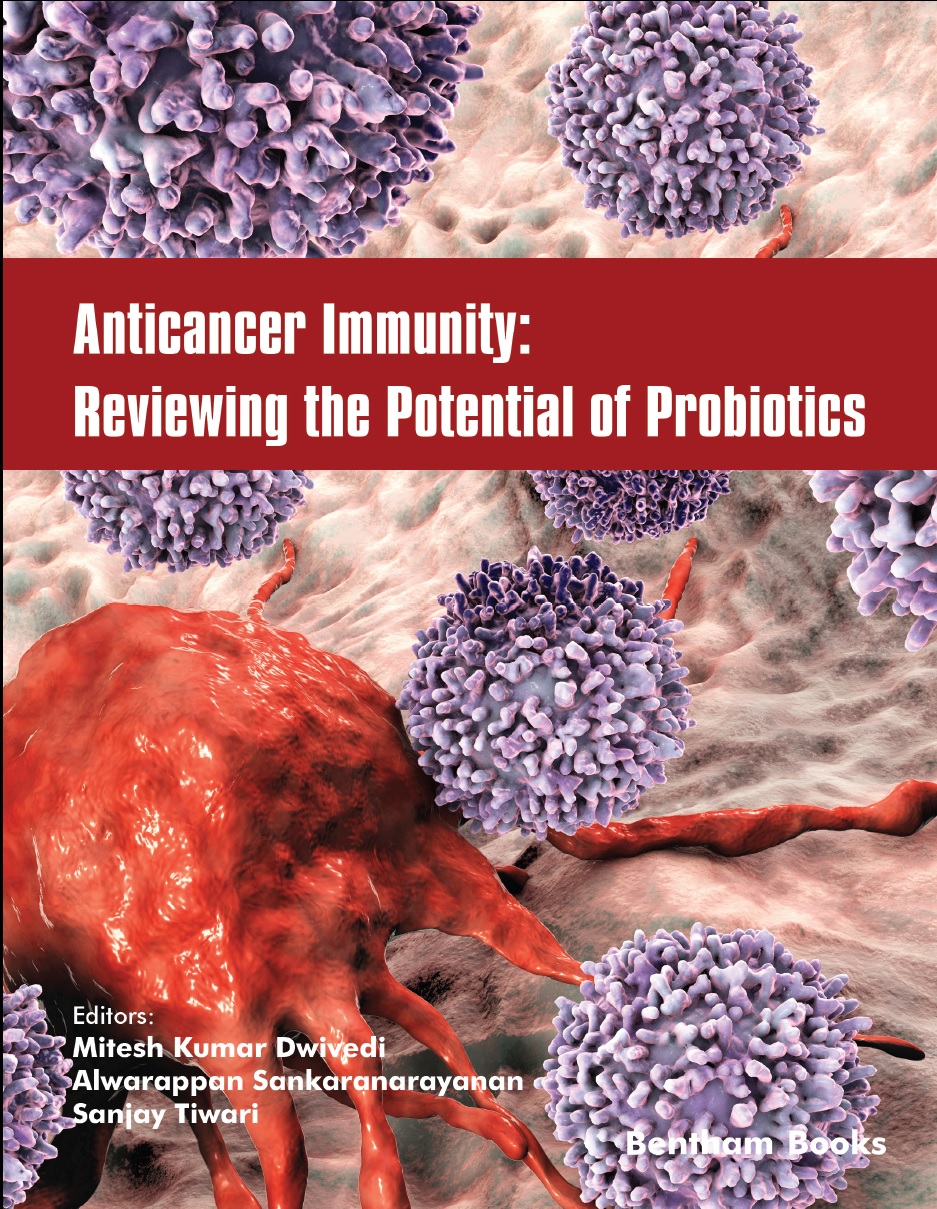
Anticancer Immunity: Reviewing the Potential of Probiotics
Frontiers in Cancer Immunology: Volume 4
More LessProbiotics have been suggested to be involved in both prevention and treatment of various human cancers. Anticancer Immunity: Reviewing the Potential of Probiotics explains biochemical mechanisms of anticancer immunity exerted by probiotics in various human cancers. It presents edited chapters focused on the evidence of probiotic use against human cancers through several animal and human studies. This volume consists of 11 chapters. The volume continues from the previous entry with chapters focused on probiotics' anticancer immunity in specific cancers such as, bladder cancer, renal cell carcinoma, prostate cancer, lymphomas, pancreatic cancer, oral cancer and oropharyngeal cancers. The book concludes with chapters that inform readers about the value of prebiotics, postbiotics and postbiotics in cancer therapy as adjuvants and immunotherapeutic agents. Key features - Gives a new dimension and insight in the role of probiotics in anticancer immunity towards various human cancers - Provides several color figures and tables to clearly explain relevant information. - Includes recent information with new insights and references - Meets the needs of basic (pre-clinical) and advanced clinical researchers and postgraduate scholars
-
-
-
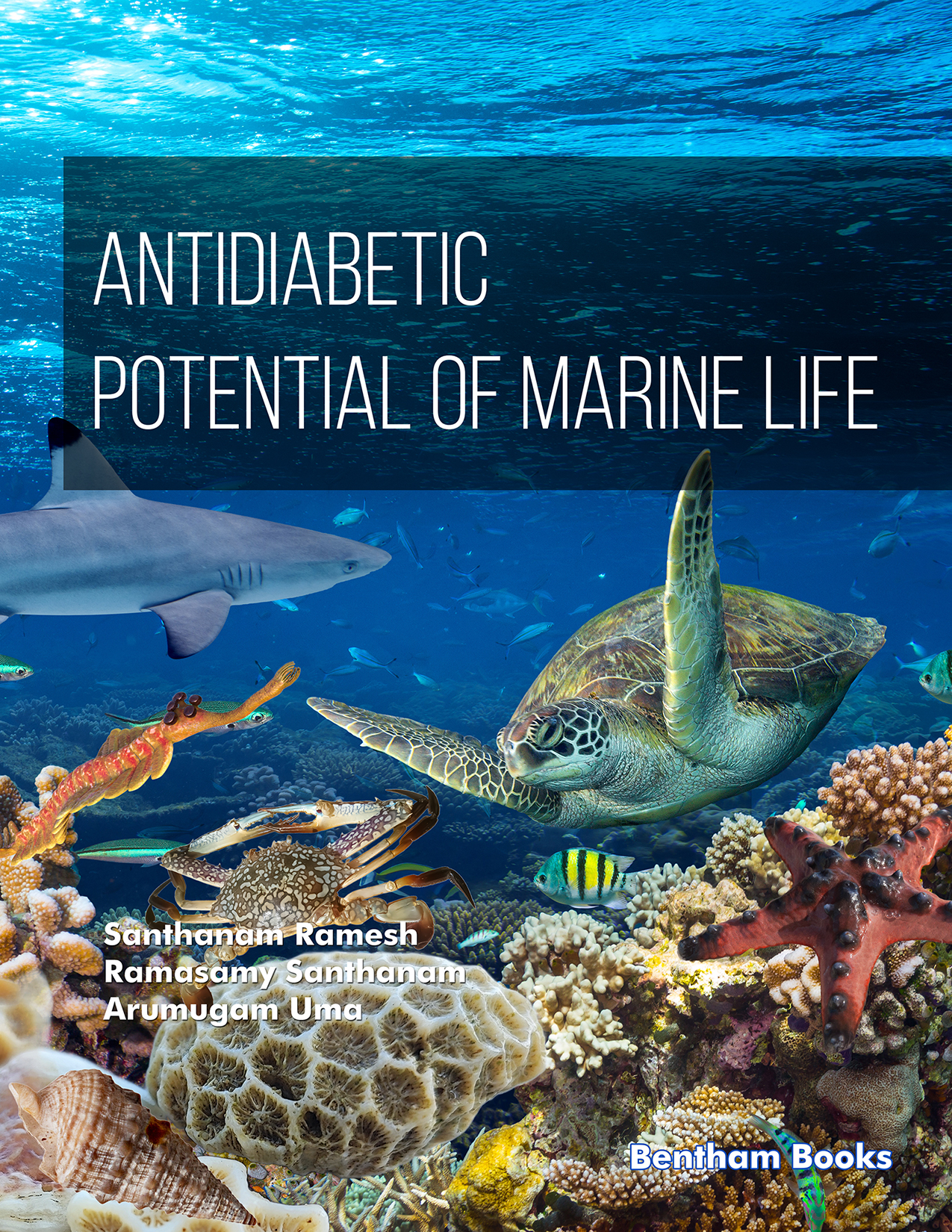
Antidiabetic Potential of Marine Life
Medicinal Chemistry and Marine Life: Volume 2
More LessMedicinal Chemistry and Marine Life Volume 2: Antidiabetic Potential of Marine Life explores the vast antidiabetic potential of marine organisms, from microbes and macroalgae to invertebrates, fishes, and by-products like fish oils and chitosan. It highlights bioactive marine-derived molecules and lead compounds with proven or emerging antidiabetic activity, bridging insights from pharmaceutical and marine biology research.
Key Features:
Presents a comprehensive overview of marine-derived antidiabetic agents.
Discusses pharmacological mechanisms and lead molecule identification.
Explores therapeutic potential across diverse marine species and by-products.
Integrates interdisciplinary research from marine biology and pharmaceutical sciences.
Serves as the first consolidated reference on marine biota and diabetes management.
-
-
-
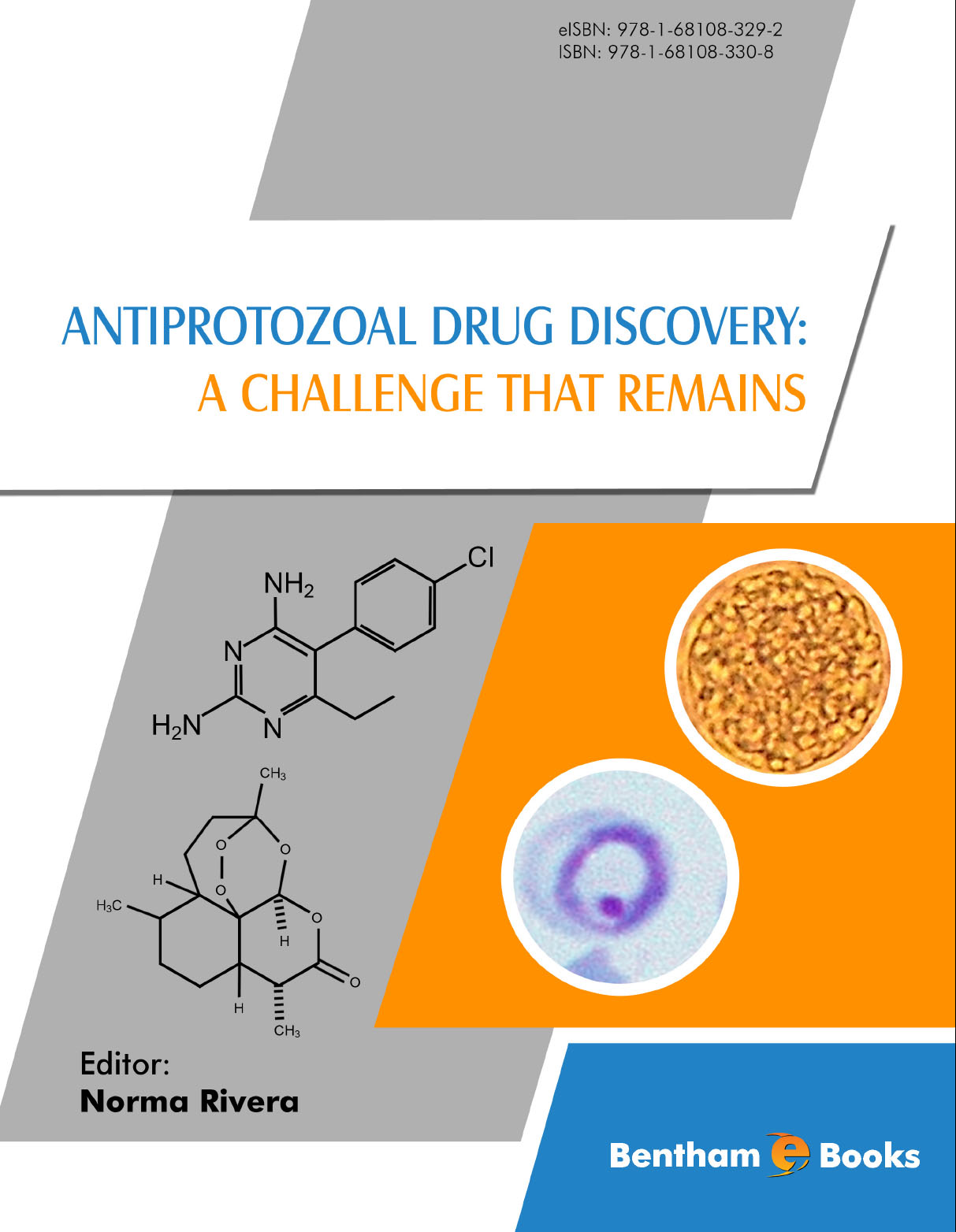
Antiprotozoal Drug Discovery: A Challenge That Remains
More LessProtozoan infections that are endemic in countries with limited economic resources pose a significant public health challenge to affected communities and some of these diseases are categorized as neglected tropical diseases by the World Health Organization. At the moment, there is an urgent need to identify and develop new antiprotozoal drugs. Antiprotozoal Drug Discovery: A Challenge That Remains brings together research from all scientists (including parasitologists, chemists, biologists among others) involved in the field of antiprotozoal experimental pharmacology, drug design and natural product research. The monograph is a compilation of review chapters written by experts on medical parasitology and pharmacology that covers a wide range of topics such as general characteristics of protozoan diseases (malaria, toxoplasmosis, Chagas’ disease, leishmaniasis, trichomoniasis) prophylaxis, treatments, natural products and rational drug design. The contents of this book are useful to medical microbiologists and pharmaceutical scientists seeking to update their knowledge about antiprotozoal drug design.
-
-
-

Application Of Alternative Food-Preservation Technologies To Enhance Food Safety And Stability
More LessThe book covers the applications of some alternative approaches for prolonging food shelf life. The book describes the role of food safety objectives, natural compounds (such as oils and microbial enzymes), pressure and atmospheric techniques and alternative approaches (microwave, irradiation and mathematical microbial modeling) in food preservation.
Implications of preservative approaches on food texture and sensorial quality are also discussed along with technology related hurdles commonly encountered in the field. The book should be very useful for food producers and microbiologists.
-
-
-

Application of Adsorbents for Water Pollution Control
More LessAmong various water and wastewater treatment technologies, the adsorption process is considered better because of lower cost, simple design and easy operation. Activated carbon (a universal adsorbent) is generally used for the removal of diverse types of pollutants from water and wastewater. Research is now being directed towards the modification of carbon surfaces to enhance its adsorption potential towards specific pollutants. However, widespread use of commercial activated carbon is sometimes restricted especially in developing or poor countries due to its higher costs. Attempts are therefore being made to develop inexpensive adsorbents utilizing abundant natural materials, agricultural and industrial waste materials. Use of waste materials as low-cost adsorbents is attractive due to their contribution in the reduction of costs for waste disposal, therefore contributing to environmental protection. This e-book explores knowledge on recent developments in adsorbents synthesis and their use in water pollution control. This handy reference work is intended for researchers and scientists actively engaged in the study of adsorption and the development and application of efficient adsorption technology for water treatment. This e-book covers a wide range of topics including modeling aspects of adsorption process and the applications of conventional and non-conventional adsorbents in water remediation emphasizing sorption mechanisms of different pollutants on the adsorbents.
-
-
-
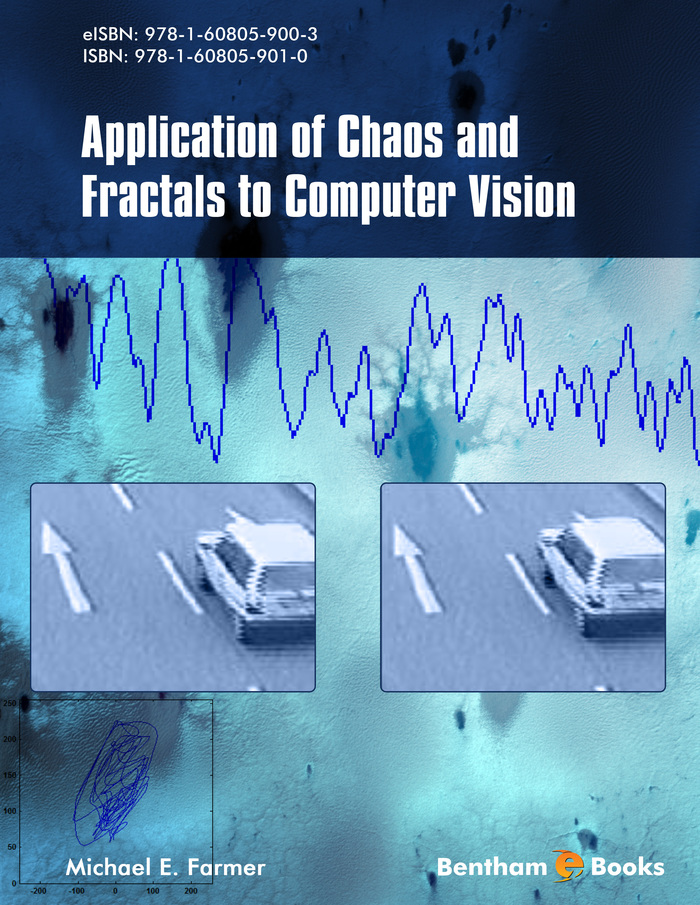
Application of Chaos and Fractals to Computer Vision
More LessThis book provides a thorough investigation of the application of chaos theory and fractal analysis to computer vision. The field of chaos theory has been studied in dynamical physical systems, and has been very successful in providing computational models for very complex problems ranging from weather systems to neural pathway signal propagation. Computer vision researchers have derived motivation for their algorithms from biology and physics for many years as witnessed by the optical flow algorithm, the oscillator model underlying graphical cuts and of course neural networks. These algorithms are very helpful for a broad range of computer vision problems like motion segmentation, texture analysis and change detection.
The contents of this book include chapters in biological vision systems, foundations of chaos and fractals, behavior of images and image sequences in phase space, mathematical measures for analyzing phase space, applications to pre-attentive vision and applications to post-attentive vision.
This book is intended for graduate students, upper division undergraduates, researchers and practitioners in image processing and computer vision. The readers will develop a solid understanding of the concepts of chaos theory and their application to computer vision. Readers will be introduced to a new way of thinking about computer vision problems from the perspective of complex dynamical systems. This new approach will provide them a deeper understanding of the various phenomena present in complex image scenes.
-
-
-

Application of Flexible AC Transmission System Devices in Wind Energy Conversion Systems
Recent Advances in Renewable Energy: Volume 2
More LessThis book presents information about the application of various flexible AC transmission system devices to wind energy conversion systems. Devices such as unified power flow controllers, superconducting magnetic energy storage and static synchronous compensators are covered in this book. Chapters detail features of the topology and basic control systems of each device. Additionally, case studies are presented where necessary to demonstrate practical applications.
This book is a reference for students and technicians studying wind power and AC transmission systems in advanced engineering courses.
-
-
-
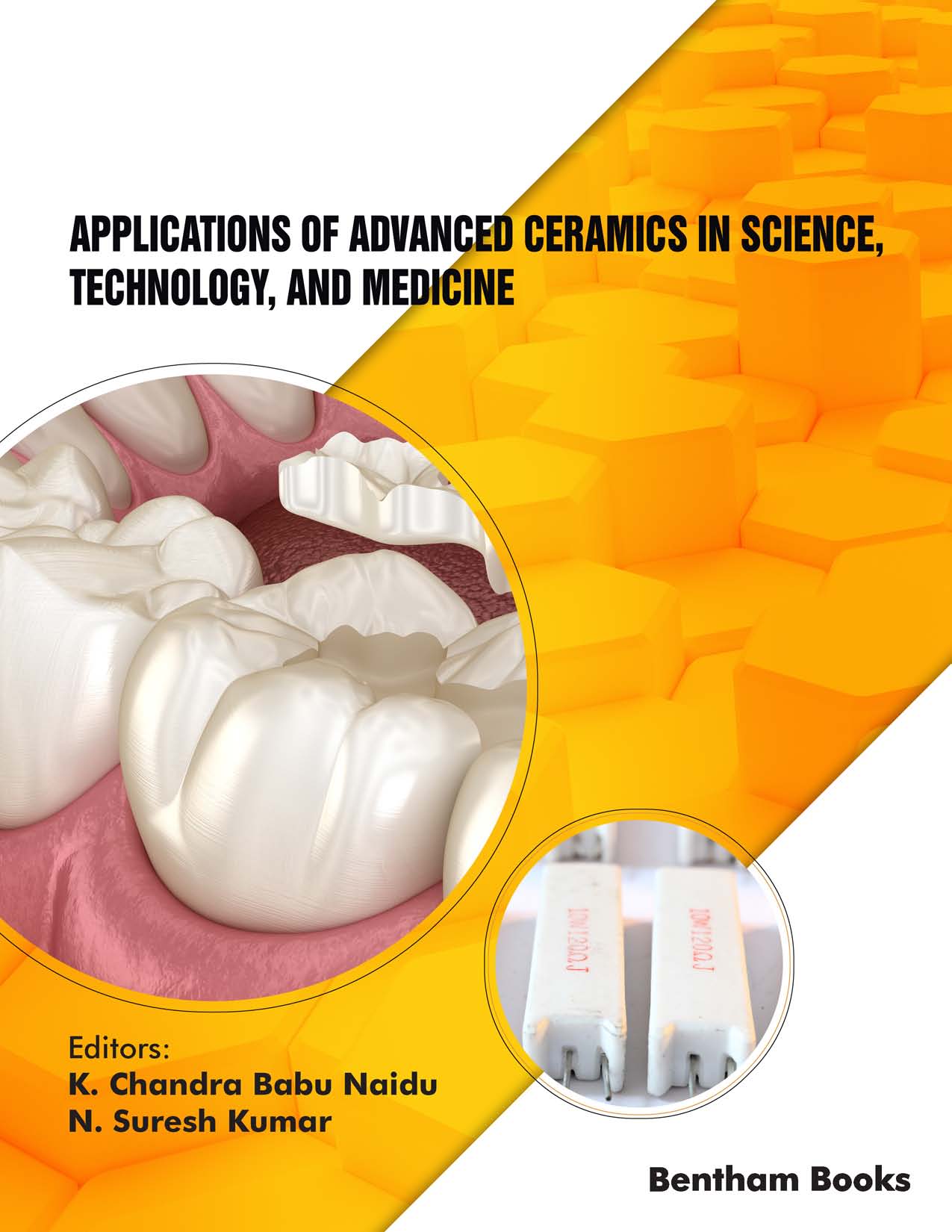
Applications of Advanced Ceramics in Science, Technology, and Medicine
Frontiers in Ceramic Science: Volume 3
More LessApplications of Advanced Ceramics in Science, Technology, and Medicine explores a broad range of advanced ceramic materials and their innovative applications in distinct fields. Chapters cover applications such as actuators, energy storage, environmental health and monitoring, 3D printing, electronics, biomedical engineering and EMI shielding. Chapters provide readers with an overview of the structural and fundamental properties, synthesis strategies and versatile applications of advanced ceramic materials and their composites. The information in the volume will be beneficial for students, research scholars, faculty members and R&D specialists working in the area of material science, nanotechnology, solid-state science, chemical engineering, power sources and renewable energy storage.
-