


Exploring Obesity Associated Antidiabetic Activity in Indigenous African Plants: A Comprehensive Review
- Authors: Aparoop Das1, Kalyani Pathak2, Riya Saikia3, Jon Jyoti Sahariah4, Saptasikha Gogoi5, Manash Pratim Pathak6, Pervej Alom Barbhuiya7
-
View Affiliations Hide Affiliations1 Department of Pharmaceutical Sciences, Dibrugarh University, Dibrugarh 786004, Assam, India 2 Department of Pharmaceutical Sciences, Dibrugarh University, Dibrugarh-786004, Assam, India 3 Department of Pharmaceutical Sciences, Dibrugarh University, Dibrugarh-786004, Assam, India 4 Department of Pharmaceutical Sciences, Dibrugarh University, Dibrugarh-786004, Assam, India 5 Department of Pharmaceutical Sciences, Dibrugarh University, Dibrugarh-786004, Assam, India 6 Faculty of Pharmaceutical Sciences, Assam Down Town University, Panikhaiti, Guwahati781026, Assam, India 7 Faculty of Pharmaceutical Sciences, Assam Down Town University, Panikhaiti, Guwahati781026, Assam, India
- Source: Traditional Medicine in North East Africa: Research on Traditional Healer Preparations and Herbs , pp 83-117
- Publication Date: April 2025
- Language: English


Exploring Obesity Associated Antidiabetic Activity in Indigenous African Plants: A Comprehensive Review, Page 1 of 1
< Previous page | Next page > /docserver/preview/fulltext/9789815313178/chapter-5-1.gif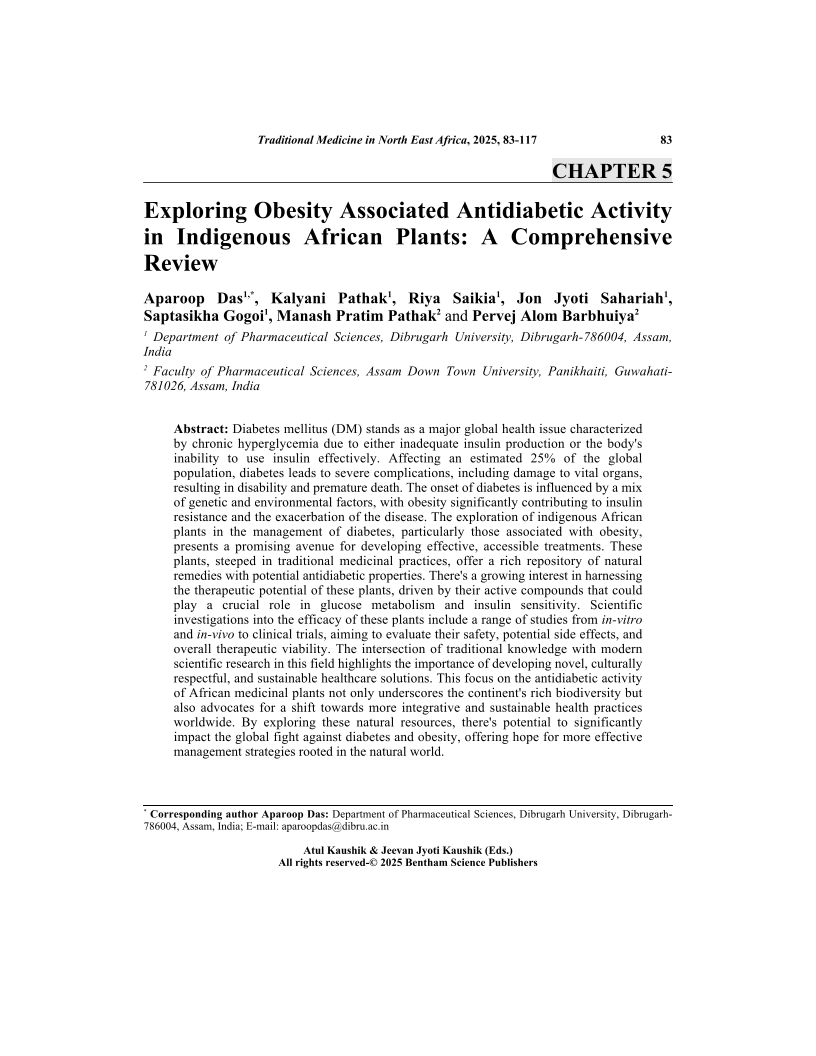
Diabetes mellitus (DM) stands as a major global health issue characterized by chronic hyperglycemia due to either inadequate insulin production or the body's inability to use insulin effectively. Affecting an estimated 25% of the global population, diabetes leads to severe complications, including damage to vital organs, resulting in disability and premature death. The onset of diabetes is influenced by a mix of genetic and environmental factors, with obesity significantly contributing to insulin resistance and the exacerbation of the disease. The exploration of indigenous African plants in the management of diabetes, particularly those associated with obesity, presents a promising avenue for developing effective, accessible treatments. These plants, steeped in traditional medicinal practices, offer a rich repository of natural remedies with potential antidiabetic properties. There's a growing interest in harnessing the therapeutic potential of these plants, driven by their active compounds that could play a crucial role in glucose metabolism and insulin sensitivity. Scientific investigations into the efficacy of these plants include a range of studies from in-vitro and in-vivo to clinical trials, aiming to evaluate their safety, potential side effects, and overall therapeutic viability. The intersection of traditional knowledge with modern scientific research in this field highlights the importance of developing novel, culturally respectful, and sustainable healthcare solutions. This focus on the antidiabetic activity of African medicinal plants not only underscores the continent's rich biodiversity but also advocates for a shift towards more integrative and sustainable health practices worldwide. By exploring these natural resources, there's potential to significantly impact the global fight against diabetes and obesity, offering hope for more effective management strategies rooted in the natural world.
-
From This Site
/content/books/9789815313178.chapter-5dcterms_subject,pub_keyword-contentType:Journal -contentType:Figure -contentType:Table -contentType:SupplementaryData105
