


Ethnobotanical and Pharmacological Studies on Medicinal Plants for Treating Cancer in Ethiopia
- Authors: Fekade Beshah Tessema1, Tilahun Belayneh Asfaw2
-
View Affiliations Hide Affiliations1 Department of Chemistry, Natural and Computational Sciences College, Woldia University, Woldia, Ethiopia 2 Department of Chemistry, Natural and Computational Sciences College, University of Gondar, Gondar, Ethiopia
- Source: Traditional Medicine in North East Africa: Research on Traditional Healer Preparations and Herbs , pp 31-64
- Publication Date: April 2025
- Language: English


Ethnobotanical and Pharmacological Studies on Medicinal Plants for Treating Cancer in Ethiopia, Page 1 of 1
< Previous page | Next page > /docserver/preview/fulltext/9789815313178/chapter-3-1.gif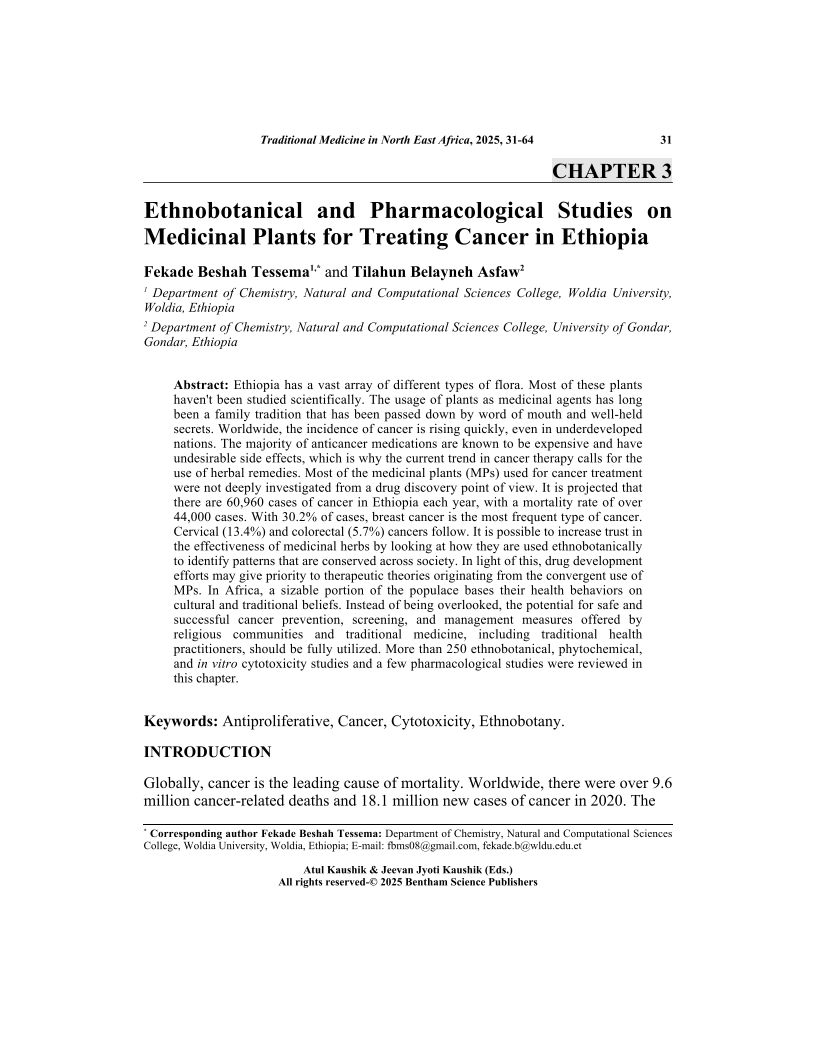
Ethiopia has a vast array of different types of flora. Most of these plants haven't been studied scientifically. The usage of plants as medicinal agents has long been a family tradition that has been passed down by word of mouth and well-held secrets. Worldwide, the incidence of cancer is rising quickly, even in underdeveloped nations. The majority of anticancer medications are known to be expensive and have undesirable side effects, which is why the current trend in cancer therapy calls for the use of herbal remedies. Most of the medicinal plants (MPs) used for cancer treatment were not deeply investigated from a drug discovery point of view. It is projected that there are 60,960 cases of cancer in Ethiopia each year, with a mortality rate of over 44,000 cases. With 30.2% of cases, breast cancer is the most frequent type of cancer. Cervical (13.4%) and colorectal (5.7%) cancers follow. It is possible to increase trust in the effectiveness of medicinal herbs by looking at how they are used ethnobotanically to identify patterns that are conserved across society. In light of this, drug development efforts may give priority to therapeutic theories originating from the convergent use of MPs. In Africa, a sizable portion of the populace bases their health behaviors on cultural and traditional beliefs. Instead of being overlooked, the potential for safe and successful cancer prevention, screening, and management measures offered by religious communities and traditional medicine, including traditional health practitioners, should be fully utilized. More than 250 ethnobotanical, phytochemical, and in vitro cytotoxicity studies and a few pharmacological studies were reviewed in this chapter.
-
From This Site
/content/books/9789815313178.chapter-3dcterms_subject,pub_keyword-contentType:Journal -contentType:Figure -contentType:Table -contentType:SupplementaryData105
