


A Comprehensive Review on Bioactive Natural Products of Moringa oleifera Lam.: A 'Developmental Tree' of Sub-Saharan Africa
- Authors: Akansha Tripathi1, Ankush Sachan2, Madhulika Singh3, Nand Lal4
-
View Affiliations Hide Affiliations1 Department of Life Sciences and Biotechnology, Chhatrapati Shahu Ji Maharaj University, Kanpur 208024, U.P., India 2 Department of Life Sciences and Biotechnology, Chhatrapati Shahu Ji Maharaj University, Kanpur-208024, U.P., India 3 Department of Life Sciences and Biotechnology, Chhatrapati Shahu Ji Maharaj University, Kanpur-208024, U.P., India 4 Department of Life Sciences and Biotechnology, Chhatrapati Shahu Ji Maharaj University, Kanpur-208024, U.P., India
- Source: Traditional Medicine in North East Africa: Research on Traditional Healer Preparations and Herbs , pp 9-30
- Publication Date: April 2025
- Language: English


A Comprehensive Review on Bioactive Natural Products of Moringa oleifera Lam.: A 'Developmental Tree' of Sub-Saharan Africa, Page 1 of 1
< Previous page | Next page > /docserver/preview/fulltext/9789815313178/chapter-2-1.gif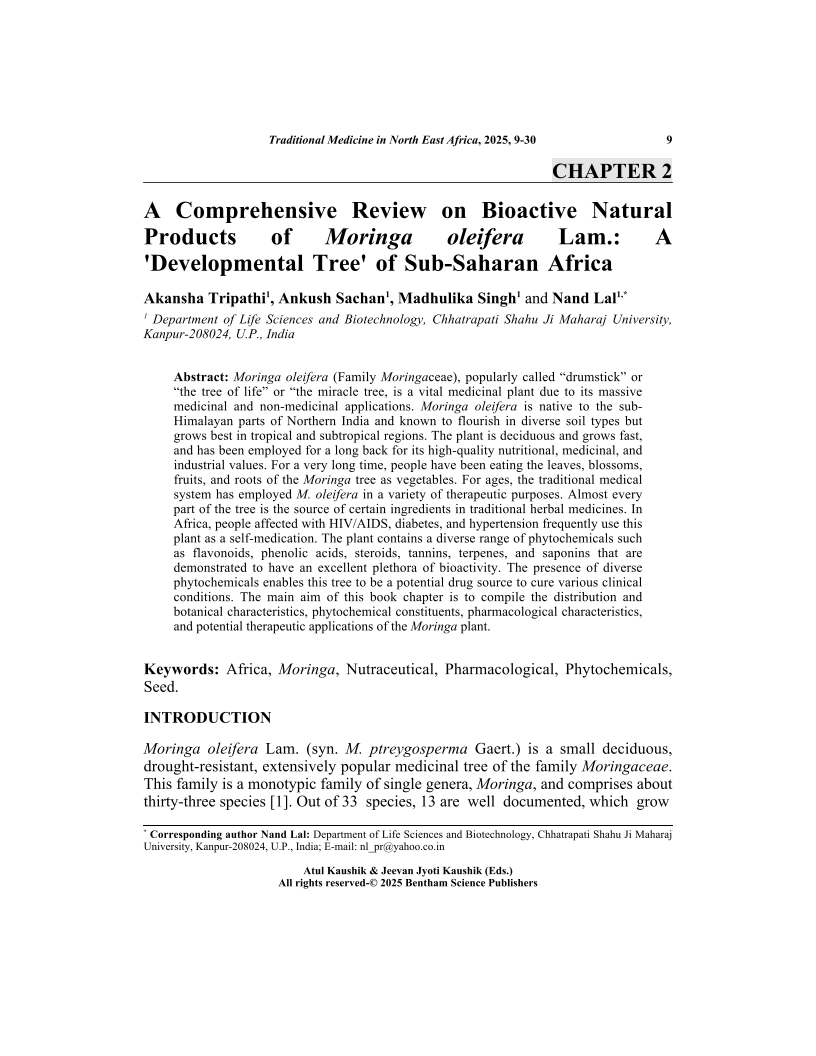
Moringa oleifera (Family Moringaceae), popularly called "drumstick" or "the tree of life" or "the miracle tree, is a vital medicinal plant due to its massive medicinal and non-medicinal applications. Moringa oleifera is native to the subHimalayan parts of Northern India and known to flourish in diverse soil types but grows best in tropical and subtropical regions. The plant is deciduous and grows fast, and has been employed for a long back for its high-quality nutritional, medicinal, and industrial values. For a very long time, people have been eating the leaves, blossoms, fruits, and roots of the Moringa tree as vegetables. For ages, the traditional medical system has employed M. oleifera in a variety of therapeutic purposes. Almost every part of the tree is the source of certain ingredients in traditional herbal medicines. In Africa, people affected with HIV/AIDS, diabetes, and hypertension frequently use this plant as a self-medication. The plant contains a diverse range of phytochemicals such as flavonoids, phenolic acids, steroids, tannins, terpenes, and saponins that are demonstrated to have an excellent plethora of bioactivity. The presence of diverse phytochemicals enables this tree to be a potential drug source to cure various clinical conditions. The main aim of this book chapter is to compile the distribution and botanical characteristics, phytochemical constituents, pharmacological characteristics, and potential therapeutic applications of the Moringa plant.
-
From This Site
/content/books/9789815313178.chapter-2dcterms_subject,pub_keyword-contentType:Journal -contentType:Figure -contentType:Table -contentType:SupplementaryData105
