


Rhododendron spp. (Ericaceae)
- Authors: Şüheda Rumeysa OSMANLIOĞLU DAĞ1, Ayşe Mine GENÇLER ÖZKAN2
-
View Affiliations Hide Affiliations1 Department of Pharmaceutical Botany, Faculty of Pharmacy, Inonu University, Battalgazi, Malatya, Türkiye 2 Department of Pharmaceutical Botany, Faculty of Pharmacy, Ankara University, 6560 Tandoğan, Ankara, Türkiye
- Source: Poison or Remedy? Case Reports on Selected Plants , pp 141-160
- Publication Date: November 2025
- Language: English


Rhododendron spp. (Ericaceae), Page 1 of 1
< Previous page | Next page > /docserver/preview/fulltext/9789815274318/chapter-11-1.gif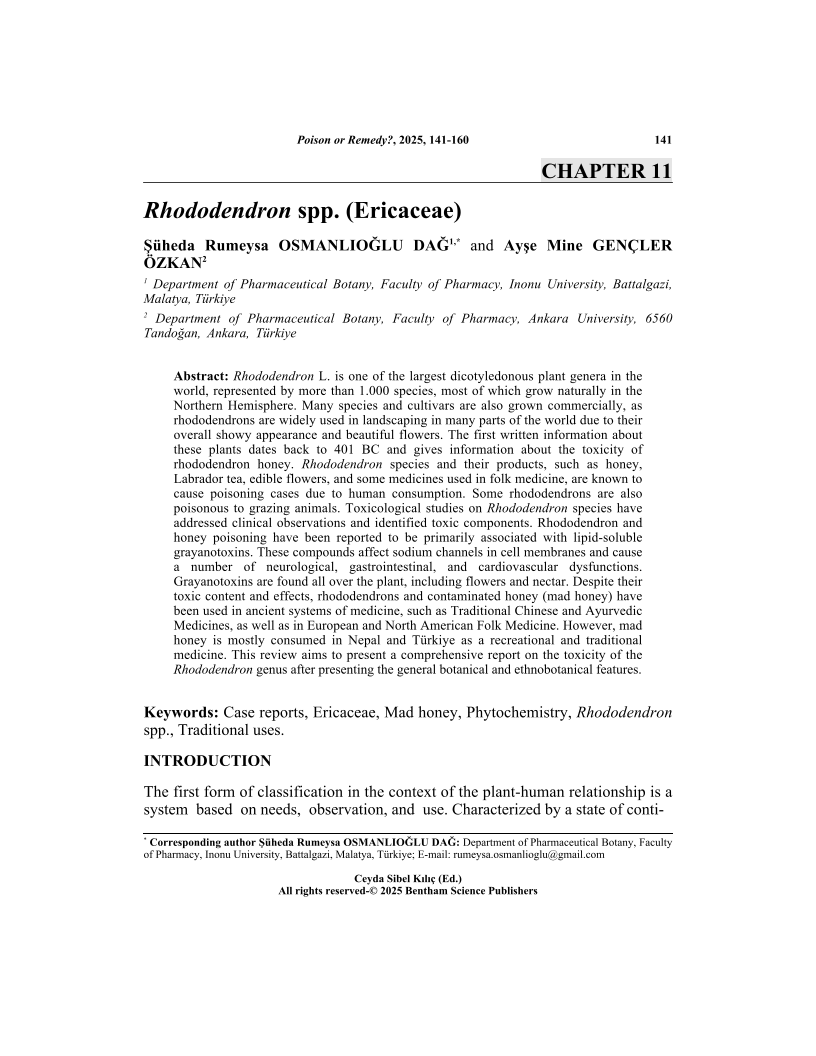
Rhododendron L. is one of the largest dicotyledonous plant genera in the world, represented by more than 1.000 species, most of which grow naturally in the Northern Hemisphere. Many species and cultivars are also grown commercially, as rhododendrons are widely used in landscaping in many parts of the world due to their overall showy appearance and beautiful flowers. The first written information about these plants dates back to 401 BC and gives information about the toxicity of rhododendron honey. Rhododendron species and their products, such as honey, Labrador tea, edible flowers, and some medicines used in folk medicine, are known to cause poisoning cases due to human consumption. Some rhododendrons are also poisonous to grazing animals. Toxicological studies on Rhododendron species have addressed clinical observations and identified toxic components. Rhododendron and honey poisoning have been reported to be primarily associated with lipid-soluble grayanotoxins. These compounds affect sodium channels in cell membranes and cause a number of neurological, gastrointestinal, and cardiovascular dysfunctions. Grayanotoxins are found all over the plant, including flowers and nectar. Despite their toxic content and effects, rhododendrons and contaminated honey (mad honey) have been used in ancient systems of medicine, such as Traditional Chinese and Ayurvedic Medicines, as well as in European and North American Folk Medicine. However, mad honey is mostly consumed in Nepal and Türkiye as a recreational and traditional medicine. This review aims to present a comprehensive report on the toxicity of the Rhododendron genus after presenting the general botanical and ethnobotanical features.
-
From This Site
/content/books/9789815274318.chapter-11dcterms_subject,pub_keyword-contentType:Journal -contentType:Figure -contentType:Table -contentType:SupplementaryData105
