


Peganum harmala L. (Zygophyllaceae)
- Authors: Betül DEMİRCİ1, Gözde ÖZTÜRK2
-
View Affiliations Hide Affiliations1 Department of Pharmacognosy, Faculty of Pharmacy, Anadolu University, 26470 Eskisehir, Türkiye 2 Department of Pharmacognosy, Faculty of Pharmacy, Anadolu University, 26470 Eskisehir, Türkiye
- Source: Poison or Remedy? Case Reports on Selected Plants , pp 125-140
- Publication Date: November 2025
- Language: English


Peganum harmala L. (Zygophyllaceae), Page 1 of 1
< Previous page | Next page > /docserver/preview/fulltext/9789815274318/chapter-10-1.gif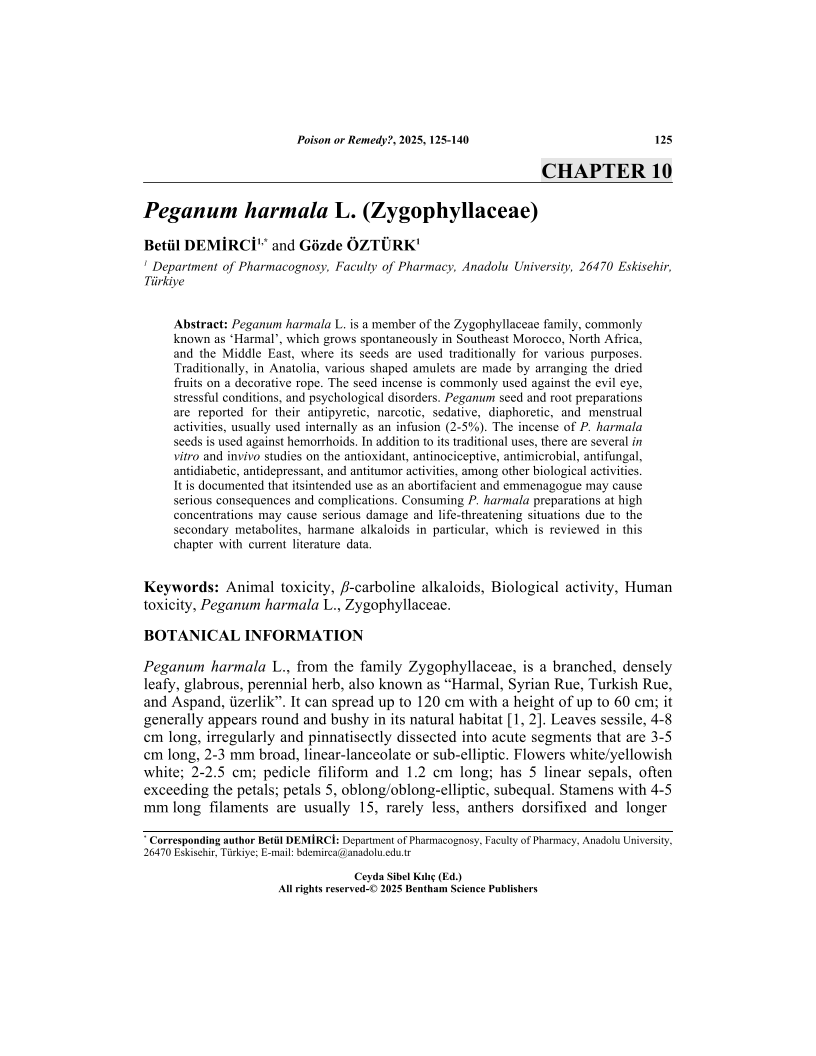
Peganum harmala L. is a member of the Zygophyllaceae family, commonly known as 'Harmal', which grows spontaneously in Southeast Morocco, North Africa, and the Middle East, where its seeds are used traditionally for various purposes. Traditionally, in Anatolia, various shaped amulets are made by arranging the dried fruits on a decorative rope. The seed incense is commonly used against the evil eye, stressful conditions, and psychological disorders. Peganum seed and root preparations are reported for their antipyretic, narcotic, sedative, diaphoretic, and menstrual activities, usually used internally as an infusion (2-5%). The incense of P. harmala seeds is used against hemorrhoids. In addition to its traditional uses, there are several in vitro and in vivo studies on the antioxidant, antinociceptive, antimicrobial, antifungal, antidiabetic, antidepressant, and antitumor activities, among other biological activities. It is documented that itsintended use as an abortifacient and emmenagogue may cause serious consequences and complications. Consuming P. harmala preparations at high concentrations may cause serious damage and life-threatening situations due to the secondary metabolites, harmane alkaloids in particular, which is reviewed in this chapter with current literature data.
-
From This Site
/content/books/9789815274318.chapter-10dcterms_subject,pub_keyword-contentType:Journal -contentType:Figure -contentType:Table -contentType:SupplementaryData105
