


Effect of Aluminium on Synaptic Plasticity
- By Syeda Mehpara Farhat1
-
View Affiliations Hide Affiliations1 Department of Biological Sciences, National University of Medical Sciences, Rawalpindi 46000, Pakistan
- Source: Biochemical Mechanisms of Aluminium Induced Neurological Disorders , pp 81-96
- Publication Date: December 2021
- Language: English


Effect of Aluminium on Synaptic Plasticity, Page 1 of 1
< Previous page | Next page > /docserver/preview/fulltext/9781681088839/chapter-4-1.gif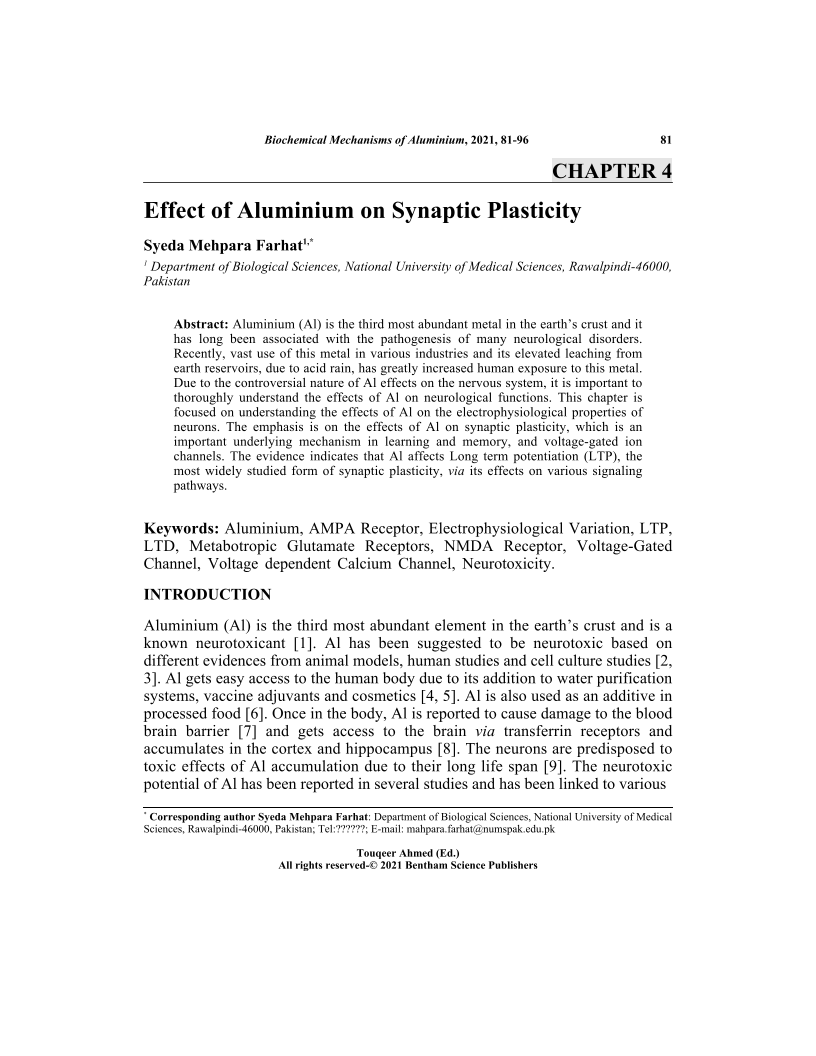
Aluminium (Al) is the third most abundant metal in the earths crust and it has long been associated with the pathogenesis of many neurological disorders. Recently, vast use of this metal in various industries and its elevated leaching from earth reservoirs, due to acid rain, has greatly increased human exposure to this metal. Due to the controversial nature of Al effects on the nervous system, it is important to thoroughly understand the effects of Al on neurological functions. This chapter is focused on understanding the effects of Al on the electrophysiological properties of neurons. The emphasis is on the effects of Al on synaptic plasticity, which is an important underlying mechanism in learning and memory, and voltage-gated ion channels. The evidence indicates that Al affects Long term potentiation (LTP), the most widely studied form of synaptic plasticity, via its effects on various signaling pathways.
-
From This Site
/content/books/9781681088839.chapter-4dcterms_subject,pub_keyword-contentType:Journal -contentType:Figure -contentType:Table -contentType:SupplementaryData105
