


Angiotensin-(1-7) in the Heart

- Authors: Rodrigo Araújo Fraga Silva, Anderson José Ferreira, Robson Augusto Souza dos Santos3
-
View Affiliations Hide Affiliations3 Departamento de Fisiologia e Biofsica, Universidade Federal de Minas Gerais, Av. Antonio Carlos, 6627 UFMG, 31270-901 Belo Horizonte, MG , Brasil
- Source: New Aspects of the Renin Angiotensin System in Cardiovascular and Renal Diseases , pp 92-109
- Publication Date: November 2016
- Language: English


Angiotensin-(1-7) in the Heart, Page 1 of 1
< Previous page | Next page > /docserver/preview/fulltext/9781681083131/chapter-5-1.gif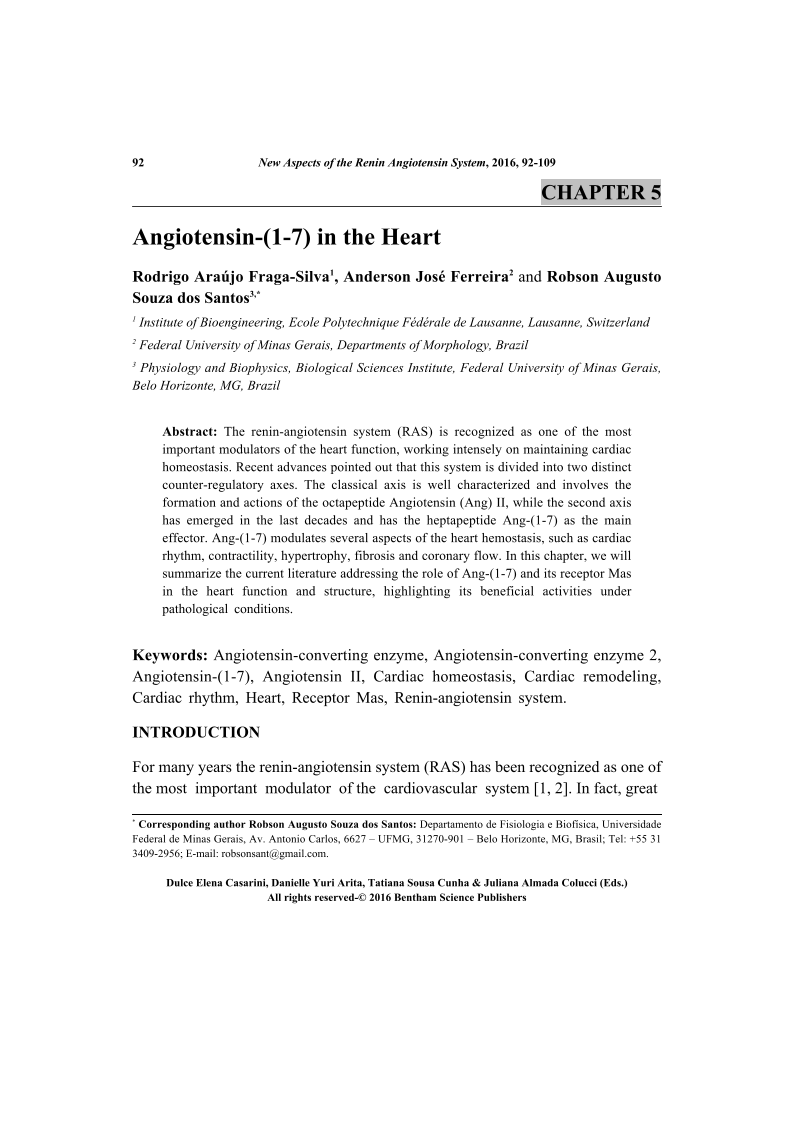
The renin-angiotensin system (RAS) is recognized as one of the most important modulators of the heart function, working intensely on maintaining cardiac homeostasis. Recent advances pointed out that this system is divided into two distinct counter-regulatory axes. The classical axis is well characterized and involves the formation and actions of the octapeptide Angiotensin (Ang) II, while the second axis has emerged in the last decades and has the heptapeptide Ang-(1-7) as the main effector. Ang-(1-7) modulates several aspects of the heart hemostasis, such as cardiac rhythm, contractility, hypertrophy, fibrosis and coronary flow. In this chapter, we will summarize the current literature addressing the role of Ang-(1-7) and its receptor Mas in the heart function and structure, highlighting its beneficial activities under pathological conditions.
-
From This Site
/content/books/9781681083131.chapter-5dcterms_subject,pub_keyword-contentType:Journal -contentType:Figure -contentType:Table -contentType:SupplementaryData105
