


Bentham Science Publishers
Bentham Science Publishers is a major publisher of more than 100 peer-reviewed science, technology and medical (STM) journals, along with a rapidly growing collection of eBooks. Since 1993, Bentham Science Publishers has been catering to the information needs of the pharmaceutical, engineering, biomedical and medical research community.921 - 940 of 1976 results
-
-
Frontiers in Natural Product Chemistry: Volume 1
More Less"Frontiers in Natural Product Chemistry" is an Ebook series devoted to publishing the latest and most important advances in natural product chemistry. The Ebook series covers all aspects of research in the chemistry and biochemistry of naturally occurring compounds including coverage of work on natural substances of land and sea and of plants, microbes and animals. Discussion of structure elucidation, synthesis and experimental biosynthesis of natural products as well as developments of new methods are included. Chosen eminent scientists write contributions and each volume are devoted to major advances in natural product chemistry. Topics include the isolation, structure, biosynthesis, biological activity, and chemistry of the major groups of natural products such as alkaloids, terpenoids, steroids, aliphatic, aromatic and O-heterocyclic compounds, and other metabolites of plant, marine and microbial origins, developments in enzymology, nucleic acids, genetics, chemical ecology, primary and secondary metabolism, isolation and analytical techniques, and other areas which will be of general interest to all workers in the area. "Frontiers in Natural Product Chemistry" is essential for all scientists involved in natural product chemistry who wish to keep abreast of rapid and important developments in the field.
-
-
-
Frontiers in Natural Product Chemistry: Volume 10
More LessFrontiers in Natural Product Chemistry is a book series devoted to important advances in natural product chemistry. The series features volumes that cover all aspects of research in the chemistry and biochemistry of naturally occurring compounds, including research on natural substances derived from plants, microbes and animals. Reviews of structure elucidation, biological activity, organic and experimental synthesis of natural products as well as developments of new methods are also included in the series.
Volume 10 of the series brings together 5 reviews on a variety of bioactive compounds.
· An overview of cistus species growing in Sardinia: a source of bioactive compounds
· Roles of natural abscisic acids in fruits during fruit development and under environmental stress
· Progress in the research of naturally occurring biflavonoids: a look through
· Plant metabolites for protecting human cells against radiation-associated damage: an integrative review
· Chemical perspective and drawbacks in flavonoid estimation assays
-
-
-
Frontiers in Natural Product Chemistry: Volume 11
More LessFrontiers in Natural Product Chemistry is a book series devoted to important advances in natural product chemistry. The series features volumes that cover all aspects of research in the chemistry and biochemistry of naturally occurring compounds, including research on natural substances derived from plants, microbes and animals. Reviews of structure elucidation, biological activity, organic and experimental synthesis of natural products as well as developments of new methods are also included in the series.
Volume 11 of the series brings together 5 reviews:
- Medicinal importance of turmeric (curcuma longa) and its natural products
- Novel natural compounds for hepatocellular carcinoma treatment
- Herbal drug substitution (abhava-pratinidhi dravya): a key to stopping economic adulteration of botanical ingredients
- Synthetic and natural agents as bacterial biofilm inhibitors
- Quercetin chemistry, structural modifications, SAR studies and therapeutic applications: an update
-
-
-
Frontiers in Natural Product Chemistry: Volume 2
More LessFrontiers in Natural Product Chemistry is an Ebook series devoted to publishing monographs that highlight important advances in natural product chemistry. The Ebook series covers all aspects of research in the chemistry and biochemistry of naturally occurring compounds including coverage of work on natural substances of land and sea and of plants, microbes and animals. Reviews of structure elucidation, biological activity, organic and experimental synthesis of natural products as well as developments of new methods are included.
The second volume of the series brings seven reviews covering polyphenols of various types, Sambucus nigra as a health promoter, corrinoids in food samples, flavonoids in infected plants and much more.
-
-
-
Frontiers in Natural Product Chemistry: Volume 3
More LessFrontiers in Natural Product Chemistry is a book series devoted to publishing monographs that highlight important advances in natural product chemistry. The series covers all aspects of research in the chemistry and biochemistry of naturally occurring compounds including coverage of work on natural substances of land and sea and of plants, microbes and animals. Reviews of structure elucidation, biological activity, organic and experimental synthesis of natural products as well as developments of new methods are included.
The third volume of the series brings seven reviews covering natural products from marine plant sources, natural oligosaccharides, topical sesquiterpenes for pain treatment, biological activity of piperidinols and much more.
-
-
-
Frontiers in Natural Product Chemistry: Volume 4
More LessFrontiers in Natural Product Chemistry is a book series devoted to publishing monographs that highlight important advances in natural product chemistry. The series covers all aspects of research in the chemistry and biochemistry of naturally occurring compounds, including research on natural substances derived from plants, microbes and animals. Reviews of structure elucidation, biological activity, organic and experimental synthesis of natural products as well as developments of new methods are also included in the series.
The fourth volume of the series brings seven reviews covering these topics:
-natural antiamoebic medicines, analgesics and antimalarials
-essential oils and cognitive performance
-cannabis and drug development
-lectins in biosensors
-brassinosteroids
-
-
-
Frontiers in Natural Product Chemistry: Volume 5
More LessFrontiers in Natural Product Chemistry is a book series devoted to publishing monographs that highlight important advances in natural product chemistry. The series covers all aspects of research in the chemistry and biochemistry of naturally occurring compounds, including research on natural substances derived from plants, microbes and animals. Reviews of structure elucidation, biological activity, organic and experimental synthesis of natural products as well as developments of new methods are also included in the series.
The fifth volume of the series brings six reviews covering these topics:
-Inhibition of monoamine oxidase (MAO) via green tea extracts
-Sesquiterpene lactone cynaropicrin as novel inhibitor of Bcr-Abl fusion oncogene expression
-Effects of dietary polyphenols on chronic diseases
-Overview of past and present developments towards biotechnological and molecular approaches to improve taxol production
-Cytotoxicity through molecular targets involved in apoptosis
-Health related enzyme inhibiting natural products from medicinal plants
-
-
-
Frontiers in Natural Product Chemistry: Volume 6
More LessFrontiers in Natural Product Chemistry is a book series devoted to publishing monographs that highlight important advances in natural product chemistry. The series covers all aspects of research in the chemistry and biochemistry of naturally occurring compounds, including research on natural substances derived from plants, microbes and animals. Reviews of structure elucidation, biological activity, organic and experimental synthesis of natural products as well as developments of new methods are also included in the series.
The sixth volume of the series brings five reviews covering these topics:
- Plant protein hydrolyzates from underutilized agricultural and agroindustrial sources: production, characterization and bioactive properties
- New developments in the quinolone class of antibacterial drugs
- Structure of fine starch prepared via a compressed hot water process
- Major metabolites of certain marketed plant alkaloids
- Natural products in cancer chemoprevention and chemotherapy
-
-
-

Frontiers in Natural Product Chemistry: Volume 7
More LessFrontiers in Natural Product Chemistry is a book series devoted to publishing monographs that highlight important advances in natural product chemistry. The series covers all aspects of research in the chemistry and biochemistry of naturally occurring compounds, including research on natural substances derived from plants, microbes and animals. Reviews of structure elucidation, biological activity, organic and experimental synthesis of natural products as well as developments of new methods are also included in the series.
Volume seven of the series brings seven reviews covering these topics:
- Plant-Derived Anticancer Compounds Used in Cancer Therapies
- Pradimicin and Benanomicin Antibiotics
- The Chemical Compositions of Bixa orellana and their Pharmacological Activities
- Overview of Phytochemistry and Pharmacology of Nilakanthi (Ajuga bracteosa Wall. ex Benth.)
- Tetracyclic benzocarbazoles and derivatives
- Chalcones as Antiinflammatory, Antidiabetic, and Antidepressant Agents
- Bioactive Steroids from Marine Organisms
-
-
-
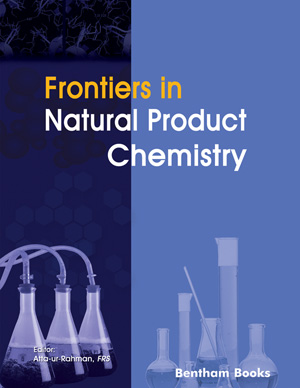
Frontiers in Natural Product Chemistry: Volume 8
More LessFrontiers in Natural Product Chemistry is a book series devoted to publishing monographs that highlight important advances in natural product chemistry. The series covers all aspects of research in the chemistry and biochemistry of naturally occurring compounds, including research on natural substances derived from plants, microbes and animals. Reviews of structure elucidation, biological activity, organic and experimental synthesis of natural products as well as developments of new methods are also included in the series.
Volume eight of the series brings seven reviews covering these main themes: marine natural products, neuroprotective natural products, chromenes, coumarin derivatives, and psychedelics. The chapters featured in this volume are:
- Chemistry, Antiviral Properties and Clinical Relevance of Marine Macroalgae and Seagrass
- Quinolizidine Alkaloids from Marine Organisms: A Perspective On Chemical, Bioactivity and Synthesis
- Towards The Use of Whole Natural Products in Psychedelic Research and Therapy: Synergy, Multi-Target Profiles, and Beyond
- Neuroprotective Effects of Polyphenols
- Neuroprotection with the Functional Herbs from the Lamiaceae Family
- Coumarin Derivatives as Potential Anti-Inflammatory Agents for Drug Development
- Recent Progress in The Synthesis and Biological Activity of Chromene and Its Derivatives
-
-
-
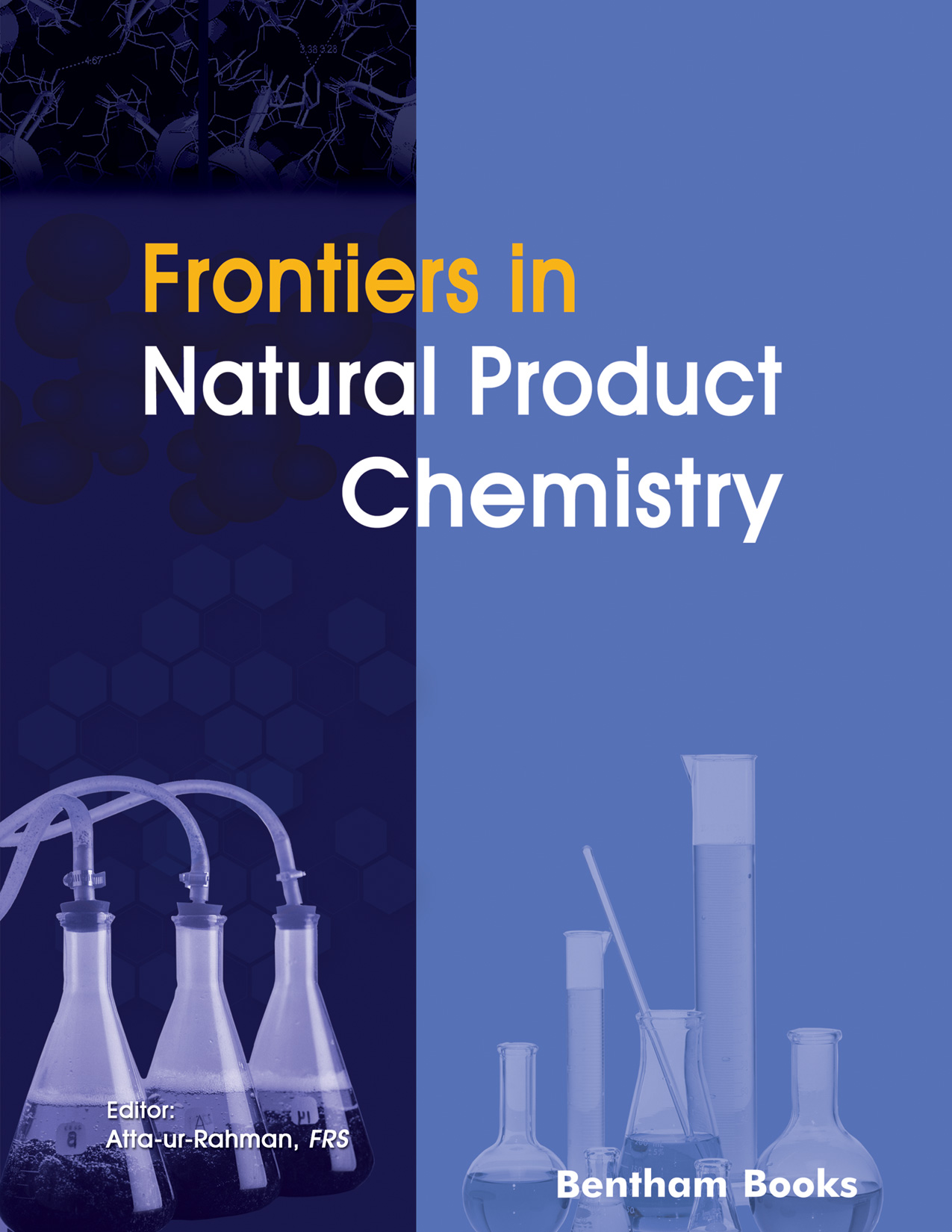
Frontiers in Natural Product Chemistry: Volume 9
More LessFrontiers in Natural Product Chemistry is a book series devoted to publishing monographs that highlight important advances in natural product chemistry. The series covers all aspects of research in the chemistry and biochemistry of naturally occurring compounds, including research on natural substances derived from plants, microbes and animals. Reviews of structure elucidation, biological activity, organic and experimental synthesis of natural products as well as developments of new methods are also included in the series.
Volume nine of the series brings together 7 reviews on a variety of natural products and sources along with a chapter on the basics of investigating antioxidant activity.
Propolis and its key chemical constituents: a promising natural product in therapeutic applications
Investigation of the effects of using omega-3 fatty acids on egg quality in functional egg production
Quercetin, a flavonoid with remarkable anticancer activity
Swertiamarin for the treatment of metabolic syndrome
Overview of traditional uses, phytochemistry and pharmacology of Peganum harmala l.
Investigation of measurement methods of antioxidant activity and involved mechanisms
Recent progress on natural and synthetic flavanone and its derivatives
Role of virgin coconut oil as a multiple health promoting functional oil
-
-
-
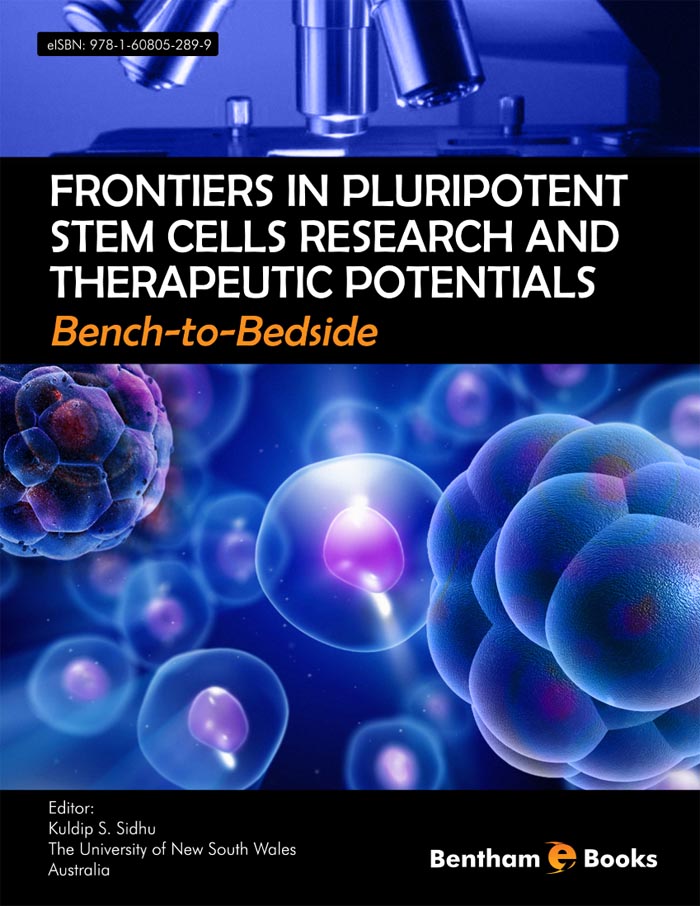
Frontiers in Pluripotent Stem Cells Research and Therapeutic Potentials Bench-to-Bedside
More LessPluripotent stem cells have garnered tremendous interest in recent years, which is primarily driven by the hope of finding a cure for several debilitating human diseases. Cell transplantation (regeneratve medicine) offers considerable therapeutic potential. The procedure employs pluripotent stem cells as these have the inherent ability to reproduce indefinitely and have the ability to produce over 200 different types of cells constituting the human body. The isolation of human embryonic stem cells (hESCs) from embryos and their successful culture in a petri dish in 1998 has been considered as a major breakthrough that is set to shape stem cell research in the 21st century. This has been followed by another remarkable breakthrough in 2006 when scientists demonstrated for the first time that such pluripotent stem cells could be produced from adult somatic tissues without having to use human embryos. These pluripotent stem cells are called the induced pluripotent stem (iPS) cells. Both hESCs and iPS cells - highly versatile cells – could pave the way for alleviating patients suffering from diabetes, Parkinson's disease, Alzheimer's disease, and many more.
This eBook brings together the information from the last decade on stem cells, compiled by reputed research experts. Readers will learn all aspects of pluripotent stem cells from basic biology to their use in understanding disease process, toxicology, drug discovery and in developing therapeutic strategies. Research on these cells, including transitional and translational aspects, is explained with the aid of extensive figures, colour photographs, and tables.
This eBook is a valuable resource for undergraduates, postgraduates, scientists, embryologists, tissue engineers, doctors and biomedical scientists interested in stem cell research and medicine.
-
-
-
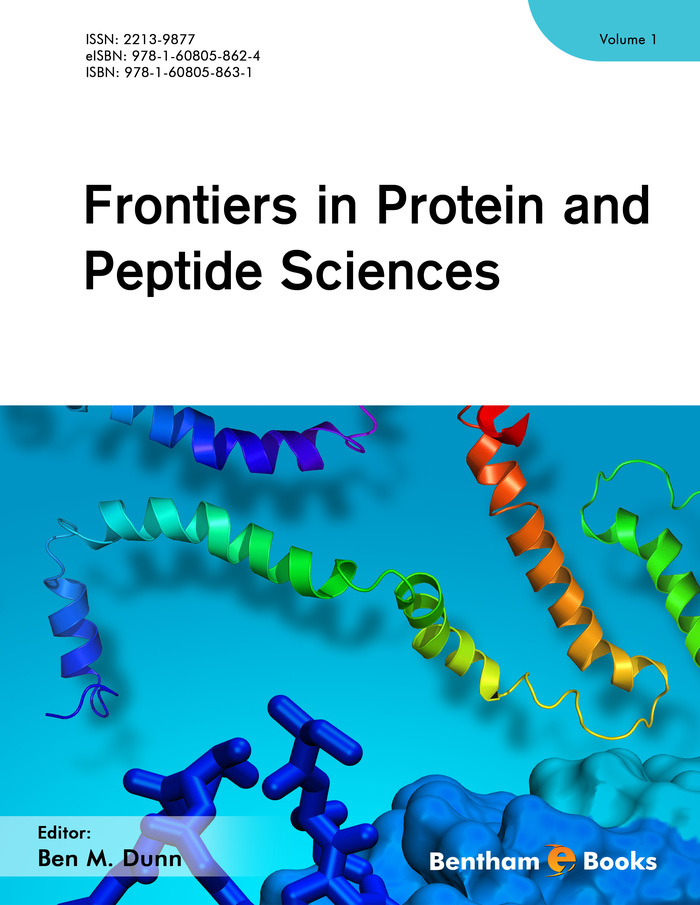
Frontiers in Protein and Peptide Sciences: Volume 1
More LessFrontiers in Protein and Peptide Sciences is a book series focused on leading-edge research on the structure, physical properties, and functions of proteins and peptides. Authors of contributions in this series have updated their work with new experimental data and references following their initial research. Each volume highlights a number of important topics in current research in the field of protein and peptide chemistry and molecular biology, including membrane proteins and their interactions with ligands, computational methods, and proteins in disease and biotechnology. The series is essential reading for protein chemists and researchers seeking the latest information about protein and peptide research.
-
-
-
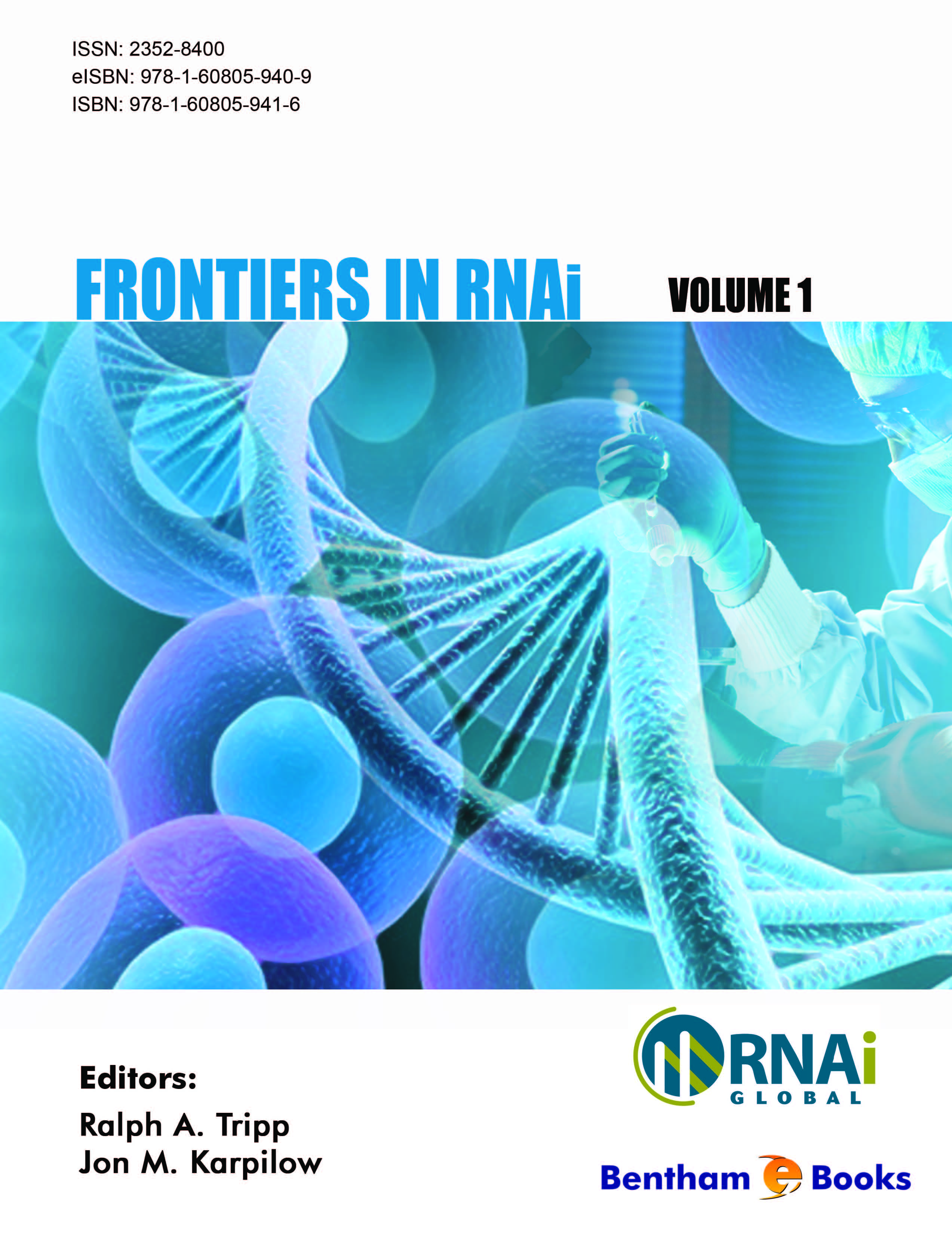
Frontiers in RNAi: Volume 1
More LessRNA interference (RNAi) is a biological process in which small nucleotide sequences destroy specific mRNA molecules and, therefore, interrupt genetic expression. RNAi has rapidly developed into a widely used technique in biotechnology, experimental biology, genomics and medicine. Frontiers in RNAi is a collection of research articles covering the applications of RNAi principles and technologies and has been compiled by members of the RNAi Global Initiative, a collection of academic and industrial groups with extensive experience in genome-wide RNAi screening. Chapters included in the first volume touch on some of the recent advances in RNAi technology (i.e., applications to 3D cell culture, drug repurposing, and bioproduction) and provide guidance on how to address the continued challenges associated with off-target effects, database structuring, and pooled shRNA screens.
-
-
-
Frontiers in Stem Cell and Regenerative Medicine Research: Volume 8
More LessStem cell and regenerative medicine research is a hot area of research which promises to change the face of medicine as it will be practiced in the years to come. Challenges in the 21st century to combat diseases such as cancer, Alzheimer and related diseases may well be addressed employing stem cell therapies and tissue regeneration. Frontiers in Stem Cell and Regenerative Medicine Research is essential reading for researchers seeking updates in stem cell therapeutics and regenerative medicine.
This volume includes reviews on the following topics:
-the role of microvesicles and exosomes in mesenchymal stem cell (MSCs) in treating diseases while overcoming side effects
-alternative models for understanding cancer stem cell biology
-stem cells treatments for orthopaedic injury and endocrine disorders
-wound healing biomaterials
-theoretical models of hematopoietic cell dynamics (with implications for bone marrow transplants)
-
-
-
Frontiers in Stem Cell and Regenerative Medicine Research: Volume 1
More LessStem cell and regenerative medicine research is a hot area of research which promises to change the face of medicine as it will be practiced in the years to come. Challenges in 21st century to combat cancer, Alzheimer and related diseases may well be addressed employing stem cell therapies and tissue regeneration. The first volume of "Frontiers in Stem Cell and Regenerative Medicine Research" features reviews written by experts in key areas of stem cells and regenerative medicine. It summarizes the safety assessment of mesenchymal stem cells (MSC) in musculoskeletal implantation that can bridge the gap between translation from animals to humans. The most prevalent strategies to improve immune reconstitution after hematopoietic stem cell transplantation have also been focused upon. This is particularly important because chemotherapy and pre-transplant conditioning impairs thymic function.
The application of regenerative medicine for repair of damaged cornea and ocular has also been discussed. The emerging techniques for tissue engineering of functional corneal equivalents represent a new and fascinating way to treat corneal diseases. The area of recently used nanofibrous substrates, as an alternative tool for the expansion and differentiation of embryonic stem cells, has been included in this e-book. In future, such technologies could promote the use of hESC-derived cells for clinical applications successfully.
-
-
-
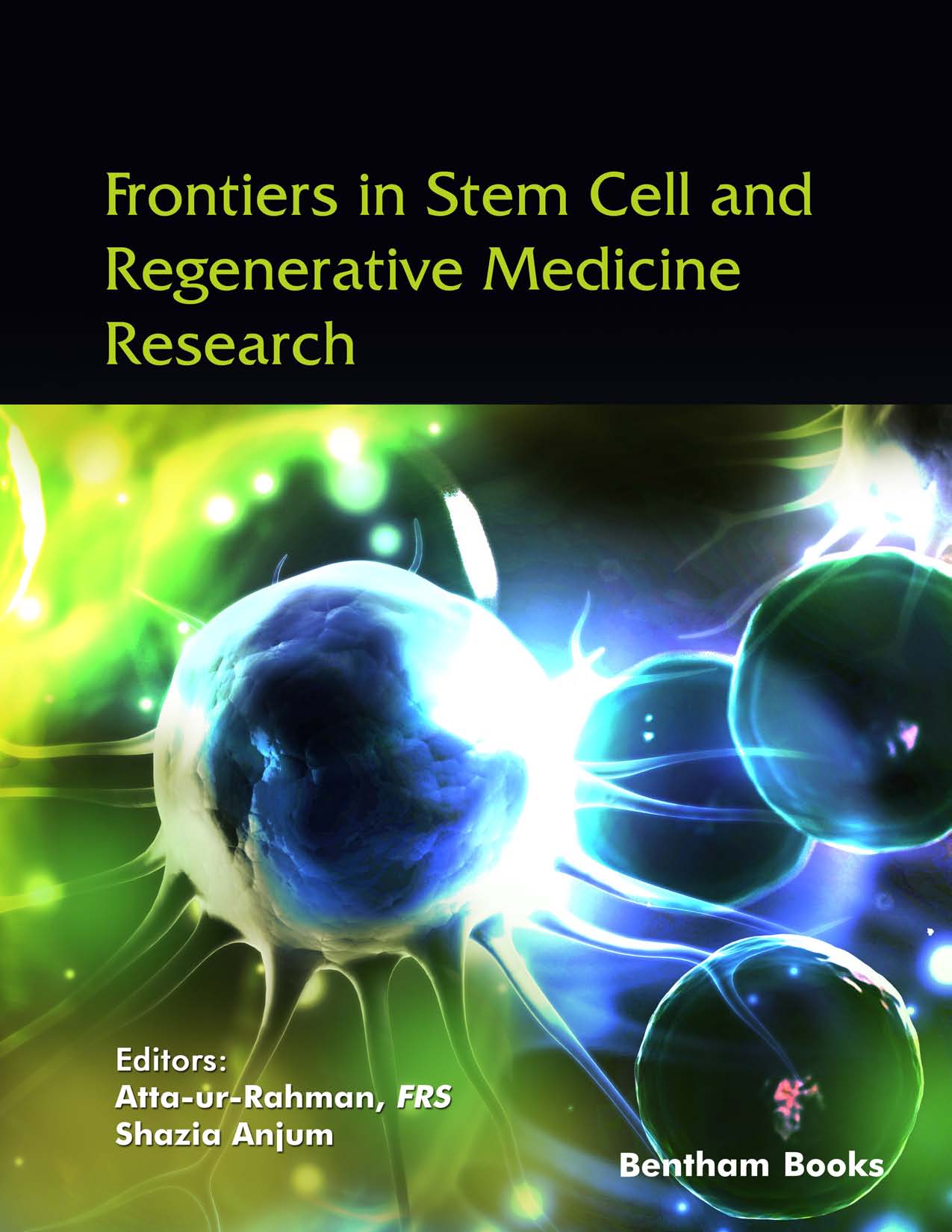
Frontiers in Stem Cell and Regenerative Medicine Research: Volume 10
More LessStem cell and regenerative medicine research is an important area of clinical research which promises to change the face of medicine as it will be practiced in the years to come. Challenges in the 21st century to combat diseases such as cancer, Alzheimers disease and retinal disorders, among others, may well be addressed employing stem cell therapies and tissue regeneration techniques. Frontiers in Stem Cell and Regenerative Medicine Research brings updates on multidisciplinary topics relevant to stem cell research and their application in regenerative medicine. The series is essential reading for researchers seeking updates in stem cell therapeutics and regenerative medicine.
Volume 10 includes 5 chapters on these topics:
-Novel drugs and their stem cell-based targets for osteoporosis: challenges and proceedings
-The role of cancer stem cells in disease progression and therapy resistance
-Stem cells from human exfoliated deciduous teeth in tissue regeneration
-The fate of toxicological studies: from animal models to stem cell-based methods
-Effect of material properties on differentiation of mesenchymal stem cells
-
-
-
Frontiers in Stem Cell and Regenerative Medicine Research: Volume 11
More LessStem cell and regenerative medicine research is an important area of clinical research which promises to change the face of medicine as it will be practiced in the years to come. Challenges in the 21st century to combat diseases such as cancer, Alzheimer's disease and retinal disorders, among others, may well be addressed employing stem cell therapies and tissue regeneration techniques. Frontiers in Stem Cell and Regenerative Medicine Research brings updates on multidisciplinary topics relevant to stem cell research and their application in regenerative medicine. The series is essential reading for researchers seeking updates in stem cell therapeutics and regenerative medicine.
Volume 11 includes 5 chapters on these topics:
- The use of embryology in clinical practice
- Molecular regulation and signaling transduction in human tissue development
- Cell differentiation on hydrogels and its application in regenerative medicine
- Stem cell therapy for sepsis
- Tumorigenicity assessments for stem cell-derived therapeutic products.
-
-
-
Frontiers in Stem Cell and Regenerative Medicine Research: Volume 2
More LessStem cell and regenerative medicine research is a hot area of research which promises to change the face of medicine as it will be practiced in the years to come. Challenges in the 21st century to combat diseases such as tumors, Alzheimer's disease and related neurodegenerative diseases may well be addressed employing stem cell therapies and tissue regeneration. Frontiers in Stem Cell and Regenerative Medicine Research is essential reading for researchers seeking updates in stem cell therapeutics and regenerative medicine.
The second volume of this series features reviews on several key topics in this field including cardiac regeneration strategies, induced pluripotent stem cell therapeutics, stem cell therapy for peripheral nerve and cutaneous injuries, dental tissue regeneration, the potential of stem cell differentiation into ovarian cells and much more.
-
-
-
Frontiers in Stem Cell and Regenerative Medicine Research: Volume 3
More LessStem cell and regenerative medicine research is a hot area of research which promises to change the face of medicine as it will be practiced in the years to come. Challenges in the 21st century to combat diseases such as cancer, Alzheimer and related diseases may well be addressed employing stem cell therapies and tissue regeneration. Frontiers in Stem Cell and Regenerative Medicine Research is essential reading for researchers seeking updates in stem cell therapeutics and regenerative medicine.
The third volume of this series features reviews on the use of stem cells in bone repair, neonatal brain injury and esophageal tissue engineering. The volume also features an update on current knowledge on regenerative medicine for lung tissue in pulmonary disease.
-