Bentham Science Publishers
Bentham Science Publishers is a major publisher of more than 100 peer-reviewed science, technology and medical (STM) journals, along with a rapidly growing collection of eBooks. Since 1993, Bentham Science Publishers has been catering to the information needs of the pharmaceutical, engineering, biomedical and medical research community.361 - 380 of 1975 results
-
-
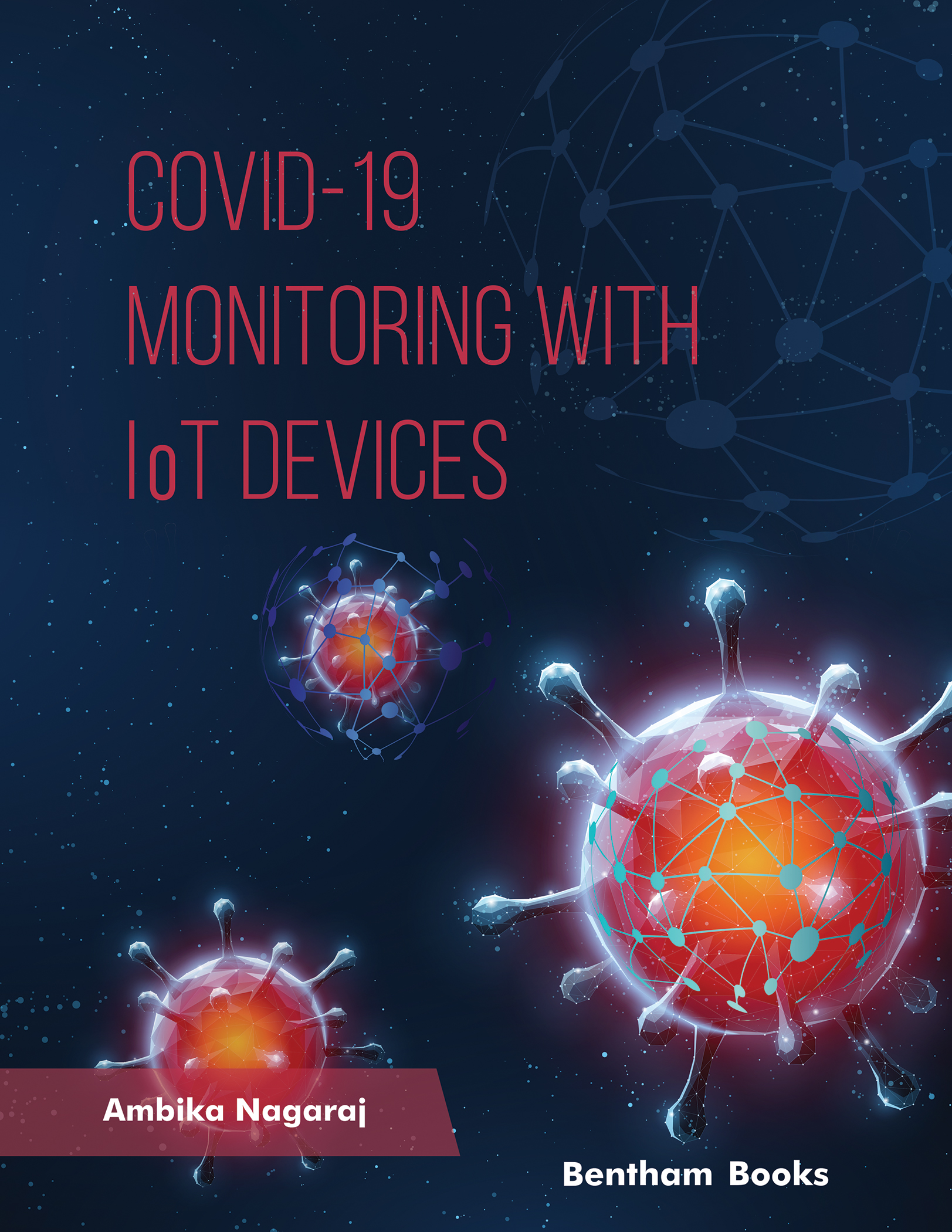
COVID 19 - Monitoring with IoT Devices
More LessIn the battle against the COVID-19 pandemic, the integration of Internet of Things (IoT) technologies has played a pivotal role in reshaping public health and healthcare delivery. Interconnected devices have demonstrated their capacity to collect, transmit, and analyze data, significantly impacting various aspects of pandemic management. COVID-19 Monitoring with IoT Devices is a comprehensive guide to measuring the impact of COVID-19 infection and monitoring outbreak metrics. Beginning with an introduction to SARS-CoV-2 and its symptoms, the book presents chapters on machine learning (supervised and unsupervised algorithms) and techniques to predict COVID-19 outcomes. The book concludes with the role of IoT technology in detecting COVID-19 infections within a community, showcasing different computing models applicable to specific use-cases. Key Features: Explores the pivotal role of IoT technology in the fight against the COVID-19 pandemic. Covers a data-driven approach to COVID-19 monitoring by explaining methods for data collection, prediction, and analysis. Includes specific recommendations for machine learning algorithms designed for COVID-19 monitoring. Easy-to-read structured chapters suitable for novices in computer science and biomedical engineering. COVID-19 Monitoring with IoT Devices provides a valuable resource for understanding the role of IoT technology in managing and mitigating the impact of COVID-19, and developing adequate infection control policies. It also showcases the potential of IoT for future research and applications in the healthcare sector. This book is intended for a diverse readership, including academicians, industry professionals, researchers, and healthcare practitioners.
-
-
-
COVID-19 Current Challenges and Future Perspectives
More LessCOVID-19: Current Challenges and Future Perspectives informs readers about the current status of knowledge on COVID-19 infection. The book begins by presenting basic information about the history, epidemiology, pathogenesis, diagnosis, treatment and preventive measures against COVID-19. The second part of the book contains information about the repurposing of drugs, herbal medicines, and immunotherapy against COVID-19 infections. Integrating both general and advanced information about Sars-cov-2, this book updates a wide range of readers including students, researchers (virologists, pharmacologists), health care professionals (physicians, nurses, pharmacists, paramedics) and the general public on novel coronaviruses and COVID-19.
-
-
-
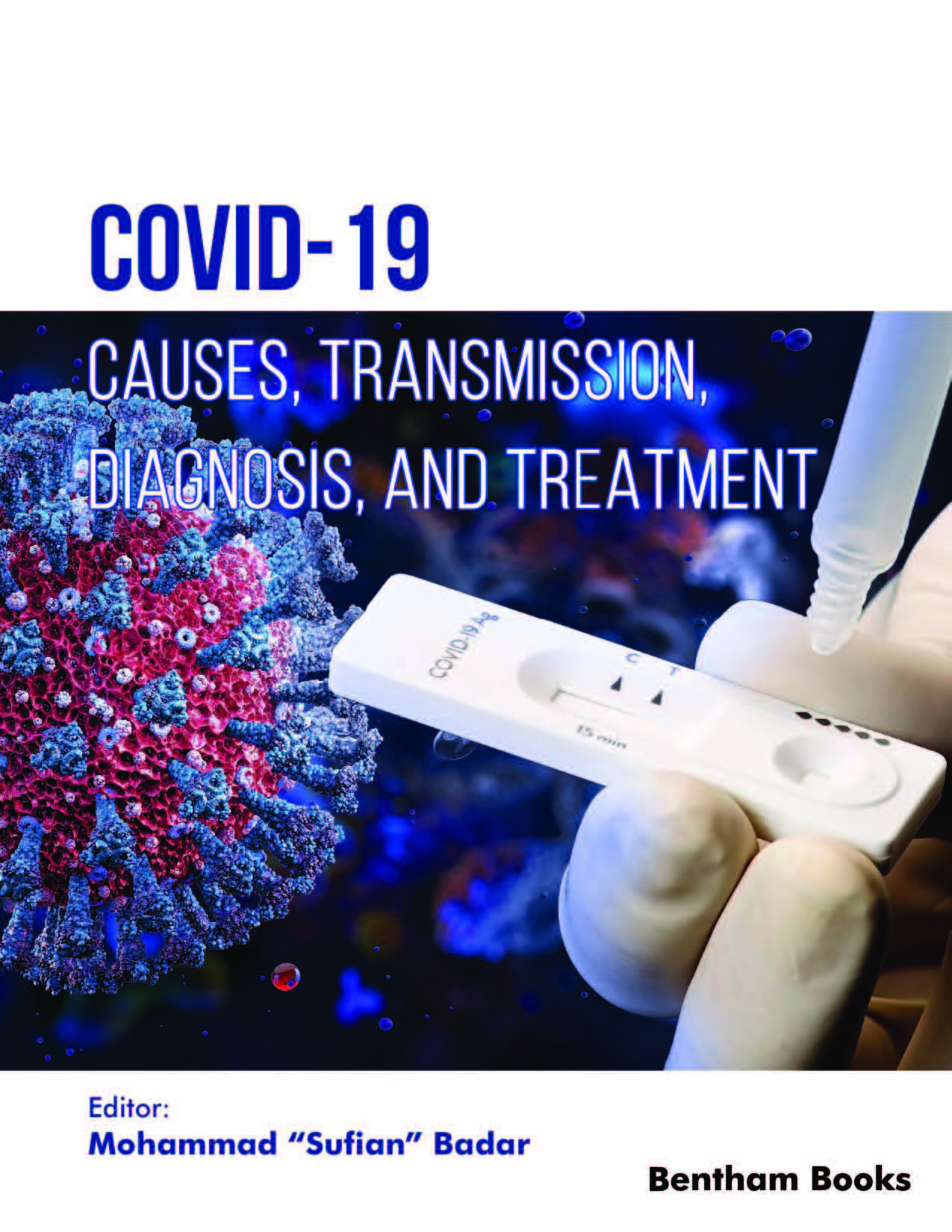
COVID-19: Causes, Transmission, Diagnosis, and Treatment
More LessCOVID-19: Causes, Transmission, Diagnosis, and Treatment is a simple guide to COVID-19 for all readers to give a thorough perspective about the disease. It comprehensively covers information about SARS-CoV-2 biology, clinical treatment and associated problems. It starts with key introductory topics such as COVID-19 epidemiology and viral biology. Next, it covers basic COVID-19 treatments and the impact of the disease in public health and economies. The book concludes by providing information on advanced technologies for COVID-19 radiograph imaging with AI and other machine learning techniques. Overall, content equips readers with a basic understanding about COVID-19 and the role of new technologies in overcoming challenges posed by the viral pandemic.
Key Features
- An accessible resource on COVID-19 for all readers
- Introduces the reader to SARS-CoV-2 variants, transmission routes and replication
- Explains COVID-19 symptoms and treatment methods
- Covers a diverse range of issues surrounding the COVID-19 pandemic
- Highlights key risks and challenges associated with COVID-19
- Covers current and emerging computer technologies that are useful for COVID-19 infection control
- Includes references for advanced readers
-
-
-
COVID-19: Diagnosis and Management-Part I
More LessThe coronavirus disease 2019 (COVID-19) outbreak has spread throughout the globe and much time has passed since it was declared as a pandemic by the World Health Organization (WHO). COVID-19: Diagnosis and Management provides clinicians and scholars all the information on this disease in 2 volumes. Readers will find a concise and visual reference for this viral disease and will be equipped with the knowledge to assess and manage Sar-Cov-2 infection cases in clinical settings.
This book is divided into two parts (I and II). Part I provides comprehensive information about 1) History of Coronaviruses, 2) Epidemiology of COVID-19, 3) Clinical presentation of this viral disease and 4) COVID-19 diagnosis. Part II covers broader topics about this communicable disease including 1) the prevention and treatment methodology, 2) mortality and long-term complications, 3) COVID-19 vaccines and future perspectives.
Key Features:
Covers all the aspects of COVID-19 making this a perfect textbook for virology and medical students.
Chapter wise description and segregation of topics from pathophysiology to diagnosis and management of COVID-19.
Six chapters in the first part which focus on clinical basics of COVID-19.
Six chapters in the first part which cover broader topics for practical infection control.
Multiple tables and figures which summarize and highlight important points.
Presents a summary of the current standards for the evaluation and diagnosis of COVID-19.
Features a detailed list of references, abbreviations, and symbols.
This book is an essential textbook reference for medical students, scientists (virologists, pulmonologists) and public health officials who are required to understand COVDI-19 diagnosis and management as part of their clinical training or professional work.
-
-
-
COVID-19: Diagnosis and Management-Part II
More LessThe coronavirus disease 2019 (COVID-19) outbreak has spread throughout the globe and much time has passed since it was declared as a pandemic by the World Health Organization (WHO). COVID-19: Diagnosis and Management provides clinicians and scholars all the information on this disease in 2 volumes. Readers will find a concise and visual reference for this viral disease and will be equipped with the knowledge to assess and manage Sar-Cov-2 infection cases in clinical settings.
This book is divided into two parts (I and II). Part I provides comprehensive information about 1) History of Coronaviruses, 2) Epidemiology of COVID-19, 3) Clinical presentation of this viral disease and 4) COVID-19 diagnosis. Part II covers broader topics about this communicable disease including 1) the prevention and treatment methodology, 2) mortality and long-term complications, 3) COVID-19 vaccines and future perspectives.
Key Features:
Covers all the aspects of COVID-19 making this a perfect textbook for virology and medical students.
Chapter wise description and segregation of topics from pathophysiology to diagnosis and management of COVID-19.
Six chapters in the first part which focus on clinical basics of COVID-19.
Six chapters in the second part which cover broader topics for practical infection control.
Multiple tables and figures which summarize and highlight important points.
Presents a summary of the current standards for the evaluation and diagnosis of COVID-19.
Features a detailed list of references, abbreviations, and symbols.
This book is an essential textbook reference for medical students, scientists (virologists, pulmonologists) and public health officials who are required to understand COVDI-19 diagnosis and management as part of their clinical training or professional work.
-
-
-
COVID-19: Effects in Comorbidities and Special Populations
More LessCoronavirus disease 2019 (COVID-19) has affected millions of people across the world. Clinicians and scientists across the globe need all the information of this pandemic on one platform. Today, it is also necessary to find out the association of COVID-19 with various medical comorbidities, and its effect on vulnerable populations that require special medical attention. This information will be helpful for the management of COVID-19.
COVID-19: Effects in Comorbidities and Special Populations is a concise and visual reference for information about this viral disease and its relationship with different medical conditions. The book provides comprehensive knowledge covering COVID-19 comorbidities (for example, CVD, Diabetes, lung diseases, etc.), and the incidence in specific groups (for example, children and the elderly). Chapters outline the features and the management of the disease in specific conditions.
Key Features:
- 12 chapters covering several aspects of COVID-19 management, making this a perfect text book for virologist and medical students
- Focused and structured description of different effects of COVID-19 in specific patient groups
- Multiple tables and figures which summarizes and highlight important points
- Multiple choice questions for learners
- Detailed list of references, abbreviations and symbols
This book is an essential reference for practicing and training virologists, pulmonologists, medical students and scientists working in research labs, pharmaceutical and biotechnology industries in connection with the control of COVID-19 infection.
-
-
-
COVID-19: Epidemiology, Biochemistry, and Diagnostics
Coronavirus Disease-19 (COVID-19): A Perspective of New Scenario: Volume 1
More LessCOVID-19: Epidemiology, Biochemistry, and Diagnostics explains COVID-19 from multidisciplinary angles such as the evolution of SARS-COV, genetic techniques to study the virus, and diagnostic methodologies widely used in the global COVID-19 pandemic.
The chapters in this book provide the reader with up-to-date literature about research on SARS-CoV-2 through three parts:
I) Evolution and Entry of SARS-CoV-2 into the host
II) Genetic Alteration and Structural Determination of SARS-CoV-2 Proteins
III) Quantitative Analysis of SARS-CoV-2 for research and medical diagnosis
Key Features:
- 15 chapters on SAR-CoV-2 in a multidisciplinary context
- Provides a comprehensive overview of SARS-CoV-2 evolution and genetics
- Provides biochemical information about SARS-CoV-2 proteins and receptor targets (both structural and non-structural proteins)
- Includes an overview of several methods of detecting SARS-CoV-2 virus particles (ELISA, PCR, Neutralizing Antibodies
- Covers some critical diagnostic modalities for COVID-19 diagnosis
- Provides bibliographic references for further reading
Readers will understand the significance of phylogenetic analysis of coronaviruses, along with the pathogenesis of COVID-19 and related diseases such as SARS and MERS. Applications of biochemical technologies such as RT-PCR and CRISPR are also demonstrated in the text. This book is a comprehensive introduction to COVID-19 research for medical researchers, microbiologists and virologists. Students in academic programs in life sciences and medicine will also benefit from the information provided in the book.
-
-
-
COVID-19: Origin, Impact and Management - (Part 1)
More LessCOVID-19 has spread like wildfire across the globe since the start of the SARS-CoV-2 outbreak, hampering quality of life at multiple levels and causing many deaths. Many aspects of the human experience have been affected, with a body of research being published on its effects on psychological and physical well being, loss of jobs, pay cuts, education, and unpaid caregiving. New findings on these aspects are still emerging as we learn more about the consequences of the pandemic.
This book is intended as a simple summary of recent findings about COVID-19 for academicians and students from science, humanities and commerce backgrounds to understand the pandemic from a microscopic view and how it has touched our lives at different levels.
A collection of topics is presented and explored through chapters dedicated to niche topics on COVID-19. Each chapter is authored by expert scientists, academicians and scholars from leading institutions in India.
The key features of this book set are:
- Interdisciplinary content, making it useful for readers from different academic streams
- A blend of basic and applied research in biology, medicine and social science
- A focus on findings from India
- Updated References for advanced readers This collection of topics is invaluable for researchers and working professionals in industry and academia as well as general readers who want a broad, insightful perspective on COVID-19.
-
-
-
COVID-19: Origin, Impact and Management - (Part 2)
More LessCOVID-19 has spread like wildfire across the globe since the start of the SARS-CoV-2 outbreak, hampering quality of life at multiple levels and causing many deaths. Many aspects of the human experience have been affected, with a body of research being published on its effects on psychological and physical well being, loss of jobs, pay cuts, education, and unpaid caregiving. New findings on these aspects are still emerging as we learn more about the consequences of the pandemic.
This book is intended as a simple summary of recent findings about COVID-19 for academicians and students from science, humanities and commerce backgrounds to understand the pandemic from a microscopic view and how it has touched our lives at different levels.
A collection of topics is presented and explored through chapters dedicated to niche topics on COVID-19. Each chapter is authored by expert scientists, academicians and scholars from leading institutions in India.
The key features of this book set are:
- Interdisciplinary content, making it useful for readers from different academic streams
- A blend of basic and applied research in biology, medicine and social science
- A focus on findings from India
- Updated References for advanced readers
This collection of topics is invaluable for researchers and working professionals in industry and academia as well as general readers who want a broad, insightful perspective on COVID-19.
-
-
-

Calculus: The Logical Extension of Arithmetic
More LessUnderstanding Calculus as a Logical Extension of Arithmetic re-examines the calculus paradigm by expanding the set of ‘indeterminate forms’ espoused by l’Hôpital 320 years ago. Starting from the 54 possible binary combinations of the foundational numbers (zero, one and infinity), a replacement for the function theory formulated earlier by Newton and Leibniz, is presented. A logical extension of the three concepts of differentiation, integration and the Naperian base number e follows this introduction, which is interpreted as ‘zero divided by zero’, ‘infinity times zero’ and ‘one raised to the infinite power’, respectively. The concept that a number postulated as representing ‘nothing’ is reinforced a useful connection to calculus theory. This treatise proposes a ‘similar’ number to denote and quantify ‘all’, in order to understand the concept of infinity. Other topics covered in this text include analytical geometry, infinite sequences and infinite series.
Understanding Calculus as a Logical Extension of Arithmetic is a useful reference on advanced calculus theory for mathematics students and researchers.
-
-
-

Cancer Genes: Volume 1
More LessCancer Genes is a comprehensive list of the most critical genes known to contribute to cancer imitation and progression. The book delves into their location on each chromosome, providing valuable insights into the mechanisms of cancer gene dysregulation and genetic mutations which provide cancer cells with an advantage during each stage of tumorigenesis. The reference will familiarize readers with the location of cancer genes and equip them with the necessary information to identify relevant gene expression targets for research aimed at preventing the disease. The book is divided into two volumes focusing on cancer-causing genes found in chromosome pairs 1-12 (volume 1), and chromosomes 13-23 (volume 2). A key features of the book is a detailed reference list for advanced readers. The compilation is therefore a quick and handy reference on cancer causing genes for researchers, medical professionals, and anyone interested in understanding the genetic basis of cancer.
-
-
-

Cancer Genes: Volume 2
More LessCancer Genes is a comprehensive list of the most critical genes known to contribute to cancer imitation and progression. The book delves into their location on each chromosome, providing valuable insights into the mechanisms of cancer gene dysregulation and genetic mutations which provide cancer cells with an advantage during each stage of tumorigenesis. The reference will familiarize readers with the location of cancer genes and equip them with the necessary information to identify relevant gene expression targets for research aimed at preventing the disease.
The book is divided into two volumes focusing on cancer-causing genes found in chromosome pairs 1-12 (volume 1), and chromosomes 13-23 (volume 2). A key features of the book is a detailed reference list for advanced readers. The compilation is therefore a quick and handy reference on cancer causing genes for researchers, medical professionals, and anyone interested in understanding the genetic basis of cancer.
-
-
-
Cancer Immunotherapy: Mechanisms of Cancer Immunity, Engineering Immune- Based Therapies and Developing Clinical Trials
Frontiers in Cancer Immunology: Volume 1
More LessClinicians, patients and scientists, alike, have been battling cancer for over several decades; however, patient outcomes have not significantly improved over the years with conventional therapies. In recent years, this has caused researchers to look for a change in the status quo, and, the awareness of the human immune system, which has an intrinsic mechanism to control microbial pathogens and dysfunctional self-tissues, has triggered scientists to look for new modes of cancer therapy. Cancer Immunotherapy has become a major research field as a result of these efforts, gaining some recognition for notable breakthroughs in cancer patient prognosis. Frontiers in Cancer Immunology collectively presents the methods which have been studied and used in cancer immunotherapy based on the different components of human immune system. The series will give clinicians and immunologists a roadmap of current trends in all branches of cancer immunology. This volume lists the major immune system components (such as T cells and NK cells and associated antigens/antibodies) which have been demonstrated to limit the growth of or kill tumor cells. Relevant applications in cancer therapy are also included in addition to a general introduction to engineered as well as targeted cancer immunotherapies (cancer vaccines).
-
-
-
Cancer Medicine in an Ayurvedic Perspective: A Critical Overview
More LessCancer Medicine in an Ayurvedic Perspective: A Critical Overview is a quick guide written to assist practitioners and Ayurveda academicians in understanding Ayurvedic views on cancer. This book is divided into nine chapters. It starts with a brief overview of cancer and epigenetics before delving into Ayurvedic approach to cancer etiopathogenesis, prevention and therapy. Concepts such as prakriti, Dincharya, Rutucharya and Yoga are explained alongside cancer screening and herbal medications. Whether you are a student of Ayurveda, working professional in medicine, a caregiver, or a general reader interested in the subject, this quick guide will give you a better understanding of how Ayurvedic medicine can be used to aid cancer patients.
-
-
-
Cancer Metastasis and Cancer Stem Cell/Niche
More LessA malignant tumor is an actively growing tissue, composed of cells derived from a single cell line that has undergone irreversible differentiation. These cells are invasive and also metastasize in the body, resulting in malignant cancer. Recent research suggests that a malignant tumor originates from cancer stem cells (CSC) accompanied with physiological niches.
Cancer Metastasis and Stem Cell/Niche explains the invasiveness and metastasis of cancer cells I the light of information gained from the CSC / niche theory. Five chapters present a review on the fundamental relationships between CSCs, their niche and metastasis, the regulation of cell surface glycan expression in CSCs, tumor endothelial cells and metastasis, toll-like receptor 4 (TLR4)-mediated premetastatic microenvironment, and in surgical cancer metastasis.
This monograph is intended as a primary reference on CSC research for physiologists, clinical oncologists, stem cell researchers and molecular biologists.
-
-
-

Cancer Preventive and Therapeutic Compounds: Gift From Mother Nature
More LessCancer is a major cause of deaths all around the globe. Although numerous anticancer drugs are available, most of them are expensive and have serious side effects. Natural compounds are usually non-toxic and inexpensive. Many such compounds have been identified and explored for their health benefits for centuries, and several nutritional factors derived from natural products have attracted considerable attention as therapeutic agents for the prevention and treatment of cancer. Based on current available research, this ebook focuses on chemopreventive and anti-cancer activities of different natural/dietary compounds present in fruits, vegetable, spices, legumes, nuts, grains, and cereals. Contributions from authors around the world highlight the potential use of such derivatives against cancer treatment by presenting updated information of their biochemical mechanisms. Information in this book is intended for researchers, clinicians, patients, academicians, industrialists, and students seeking updated and critical information for their experimental plans (including clinical trials). The book also creates awareness among cancer patients, nutritionists and laymen about cost effective therapeutic alternatives available for cancer therapy.
-
-
-
Cancer Therapy
Herbal Medicine: Back to the Future: Volume 3
More LessHerbal Medicine: Back to the Future compiles expert reviews on the application of herbal medicines (including Ayurveda, Chinese traditional medicines and alternative therapies) to treat different ailments. The book series demonstrates the use of sophisticated methods to understand traditional medicine, while providing readers a glimpse into the future of herbal medicine.
This volume presents reviews of traditional Chinese medicine and other plant based therapies useful for treating different cancers. The topics included in this volume are:
Herbal extracts from Carica papaya and Azadirachta
Natural antimutagens
Encapsulated polyphenols and other anticancer compounds derived from plants
Traditional Chinese medicine treatments for cancer related fatigue
Indirubins
Ayurvedic anticancer herbal medicines
Melanocyte regeneration through herbal medicine
This volume is essential reading for all researchers in the field of natural product chemistry and pharmacology. Medical professionals involved in oncology who seek to improve their knowledge about herbal medicine and alternative therapies will also benefit from the contents of the volume.
-
-
-

Capitalist Realism in Africa: Realities and Myths in Advertising
More Less“Capitalist Realism” in Africa: Realities and Myths in Advertising is a multifaceted analysis of the role of advertising in the national development of Nigeria, and by extension, other African Nations. The book examines the unique political, cultural and religious systems that create the context for advertising in African countries and describes the unique historical, social, economic, communication and political context within which the practice of advertising takes place. Since the end of the Cold War, the several African nations (or "emerging countries") have undertaken concrete efforts to reform their political, social, and economic institutions as they strive to join the global economy and improve the socioeconomic conditions of their citizens. To achieve these goals, administrators have relied on various forms of mass media – including advertising – to promote these reforms and socioeconomic development. Despite some unique challenges and opportunities as well as controversies surrounding the role of advertising in developing economies, advertising literature relevant to African countries remains in a blind spot. “Capitalist Realism” in Africa: Realities and Myths in Advertising bridges this gap by offering an in-depth analysis of advertising in an area of the world that has been largely neglected and provides a ground for generating a discussion about the practice of advertising in an African context.
-
-
-
Carbonaceous Quantum Dots: Synthesis And Applications
More LessThis reference is a comprehensive guide to carbon quantum/ dots (CQDs) for researchers. The book includes ten chapters that explain the synthesis of CQDs, their chemical properties and their application in the field of nanotechnology. The content starts with a detailed introduction to CQDs, followed by the synthesis, chemical properties, and characterization of quantum dots. Subsequent chapters cover CQD application in the fabrication of biomedical materials, chemical sensing, wastewater treatment, toxicology, and energy storage. The final chapter of the book explores the future prospects of these quantum dots which gives a glimpse of new horizons in research and development. This book provides guidance to students and researchers who require an understanding of carbonaceous quantum dots. It also serves as a handbook for professionals, researchers and students working in chemical technology sectors.
-