


The Genetics of Flavonoids in Vitiligo: Exploration of Molecular Mechanisms and Implications.
- Authors: Rajnish Srivastava1, Mandeep Kumar Gupta2, Amit Kumar Srivastava3
-
View Affiliations Hide Affiliations1 Department of Pharmacology, Chitkara University School of Pharmacy, Chitkara University, Baddi 174103, Himachal Pradesh, India 2 Department of Pharmaceutical Chemistry, Moradabad Educational Trust Group of Institutions Faculty of Pharmacy, Moradabad 244001 Uttar Pradesh, India 3 Department of Biosciences and Bioengineering, Indian Institute of Technology Roorkee, Uttarakhand, India
- Source: Autoimmune Disorders and Secondary Plant Metabolites (Part 2) , pp 147-192
- Publication Date: December 2025
- Language: English


The Genetics of Flavonoids in Vitiligo: Exploration of Molecular Mechanisms and Implications., Page 1 of 1
< Previous page | Next page > /docserver/preview/fulltext/9798898812799/chapter-6-1.gif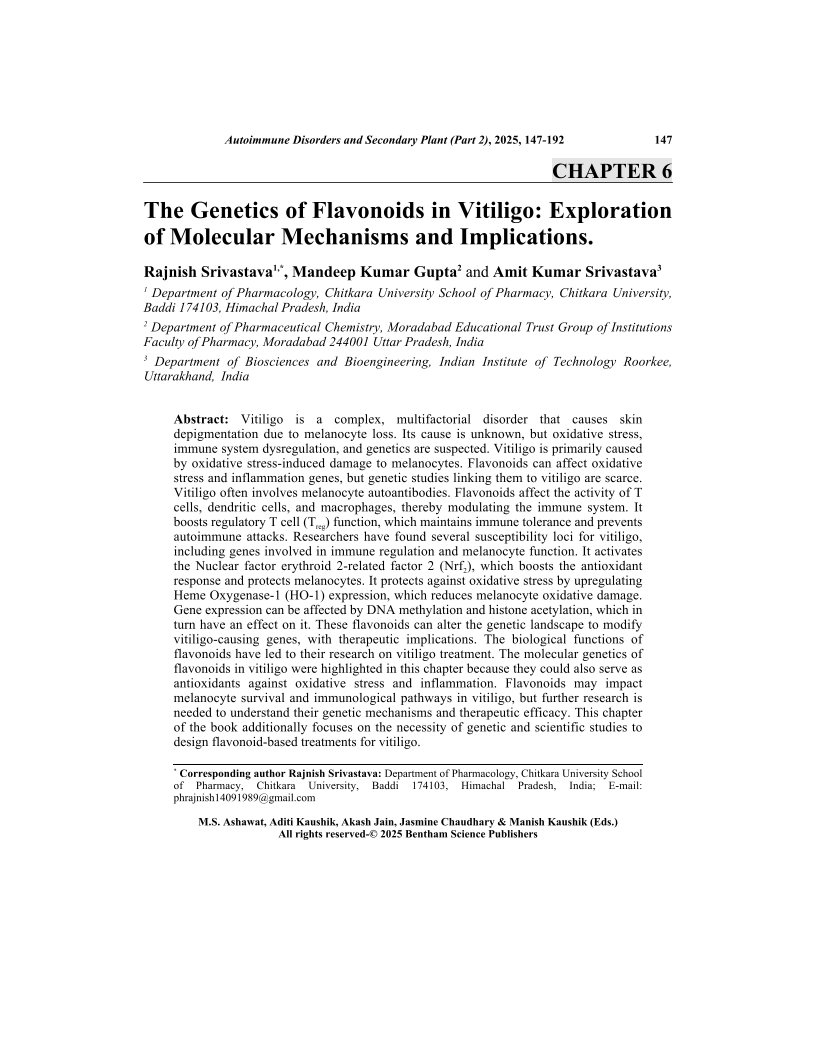
Vitiligo is a complex, multifactorial disorder that causes skin depigmentation due to melanocyte loss. Its cause is unknown, but oxidative stress, immune system dysregulation, and genetics are suspected. Vitiligo is primarily caused by oxidative stress-induced damage to melanocytes. Flavonoids can affect oxidative stress and inflammation genes, but genetic studies linking them to vitiligo are scarce. Vitiligo often involves melanocyte autoantibodies. Flavonoids affect the activity of T cells, dendritic cells, and macrophages, thereby modulating the immune system. It boosts regulatory T cell (Treg) function, which maintains immune tolerance and prevents autoimmune attacks. Researchers have found several susceptibility loci for vitiligo, including genes involved in immune regulation and melanocyte function. It activates the Nuclear factor erythroid 2-related factor 2 (Nrf2 ), which boosts the antioxidant response and protects melanocytes. It protects against oxidative stress by upregulating Heme Oxygenase-1 (HO-1) expression, which reduces melanocyte oxidative damage. Gene expression can be affected by DNA methylation and histone acetylation, which in turn have an effect on it. These flavonoids can alter the genetic landscape to modify vitiligo-causing genes, with therapeutic implications. The biological functions of flavonoids have led to their research on vitiligo treatment. The molecular genetics of flavonoids in vitiligo were highlighted in this chapter because they could also serve as antioxidants against oxidative stress and inflammation. Flavonoids may impact melanocyte survival and immunological pathways in vitiligo, but further research is needed to understand their genetic mechanisms and therapeutic efficacy. This chapter of the book additionally focuses on the necessity of genetic and scientific studies to design flavonoid-based treatments for vitiligo.
-
From This Site
/content/books/9798898812799.chapter-6dcterms_subject,pub_keyword-contentType:Journal -contentType:Figure -contentType:Table -contentType:SupplementaryData105
