


Chemistry of Chiral Triazoles and their Biological Significance
- Authors: Prabhjot Kaur1, Chanchal Vashisth2, Urmila Berar3, Neera Raghav4
-
View Affiliations Hide Affiliations1 Institute of Engineering and Technology, Kurukshetra University, Kurukshetra, Haryana136119, India 2 Department of Chemistry, Kurukshetra University, Kurukshetra, Haryana 136119, India 3 Institute of Engineering and Technology, Kurukshetra University, Kurukshetra, Haryana136119, India 4 Department of Chemistry, Kurukshetra University, Kurukshetra, Haryana-136119, India
- Source: The Role of Asymmetric Synthesis in Drug Discovery , pp 142-168
- Publication Date: December 2025
- Language: English


Chemistry of Chiral Triazoles and their Biological Significance, Page 1 of 1
< Previous page | Next page > /docserver/preview/fulltext/9798898812676/chapter-7-1.gif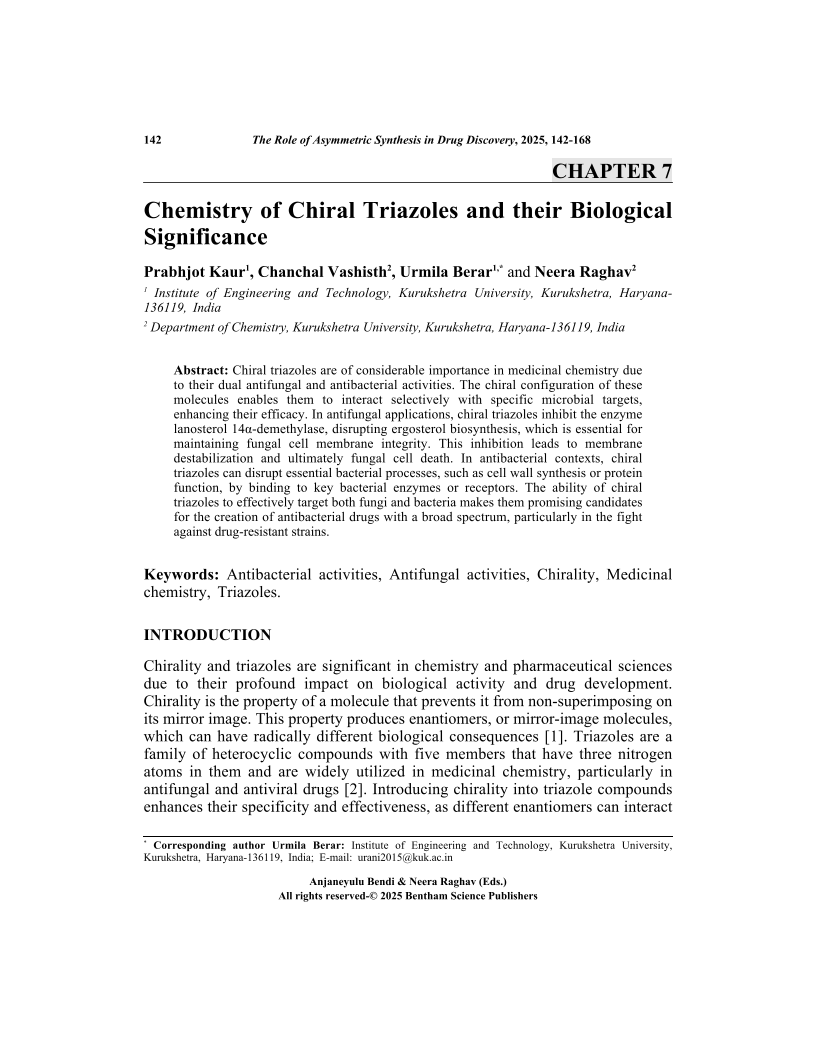
Chiral triazoles are of considerable importance in medicinal chemistry due to their dual antifungal and antibacterial activities. The chiral configuration of these molecules enables them to interact selectively with specific microbial targets, enhancing their efficacy. In antifungal applications, chiral triazoles inhibit the enzyme lanosterol 14α-demethylase, disrupting ergosterol biosynthesis, which is essential for maintaining fungal cell membrane integrity. This inhibition leads to membrane destabilization and ultimately fungal cell death. In antibacterial contexts, chiral triazoles can disrupt essential bacterial processes, such as cell wall synthesis or protein function, by binding to key bacterial enzymes or receptors. The ability of chiral triazoles to effectively target both fungi and bacteria makes them promising candidates for the creation of antibacterial drugs with a broad spectrum, particularly in the fight against drug-resistant strains.
-
From This Site
/content/books/9798898812676.chapter-7dcterms_subject,pub_keyword-contentType:Journal -contentType:Figure -contentType:Table -contentType:SupplementaryData105
