


Protocols for Studying Nanotubes and their Role in Human Ocular Cell Communication in the Anterior Chamber of the Eye

- By Saima Chaudhry1
-
View Affiliations Hide Affiliations1 University of Texas at Arlington, 701 S Nedderman Dr, Arlington, TX 76019, USA
- Source: Research Protocols for Ophthalmic Disease Mechanisms and Therapeutics: Glaucoma - Ocular Hypertension , pp 532-540
- Publication Date: August 2025
- Language: English


Protocols for Studying Nanotubes and their Role in Human Ocular Cell Communication in the Anterior Chamber of the Eye, Page 1 of 1
< Previous page | Next page > /docserver/preview/fulltext/9789815324334/chapter-47-1.gif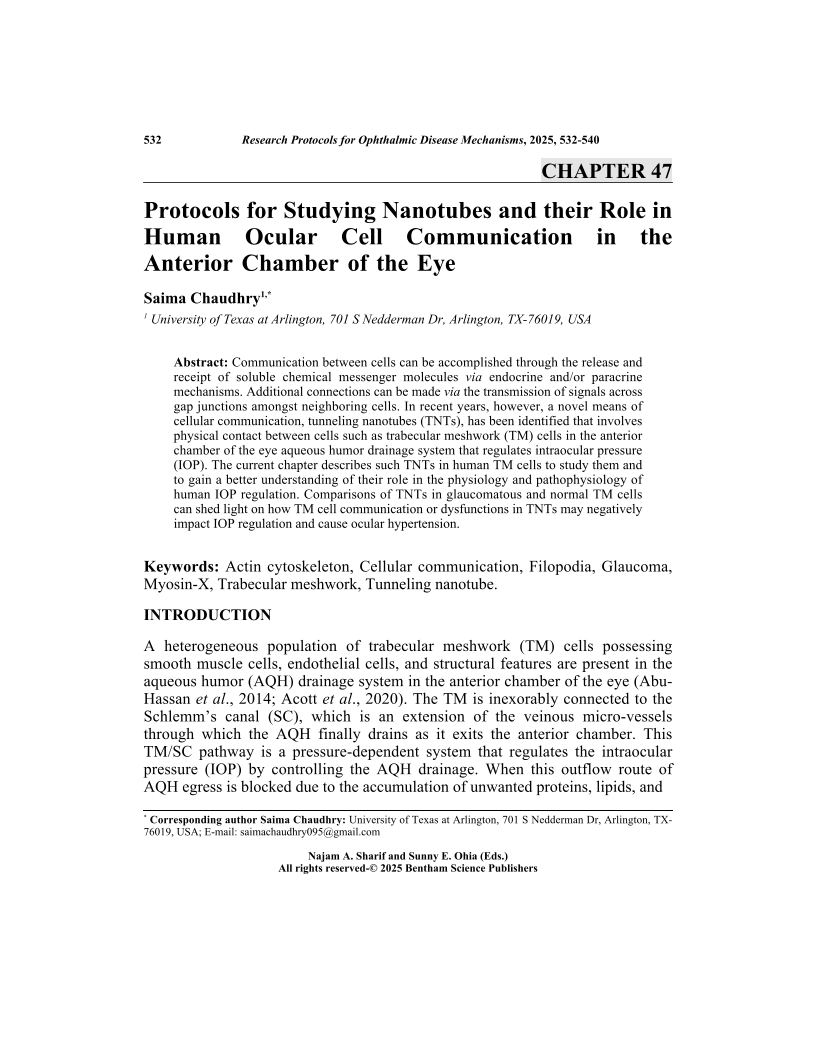
Communication between cells can be accomplished through the release and receipt of soluble chemical messenger molecules via endocrine and/or paracrine mechanisms. Additional connections can be made via the transmission of signals across gap junctions amongst neighboring cells. In recent years, however, a novel means of cellular communication, tunneling nanotubes (TNTs), has been identified that involves physical contact between cells such as trabecular meshwork (TM) cells in the anterior chamber of the eye aqueous humor drainage system that regulates intraocular pressure (IOP). The current chapter describes such TNTs in human TM cells to study them and to gain a better understanding of their role in the physiology and pathophysiology of human IOP regulation. Comparisons of TNTs in glaucomatous and normal TM cells can shed light on how TM cell communication or dysfunctions in TNTs may negatively impact IOP regulation and cause ocular hypertension.
-
From This Site
/content/books/9789815324334.chapter-47dcterms_subject,pub_keyword-contentType:Journal -contentType:Figure -contentType:Table -contentType:SupplementaryData105
