


Protocols to Study the Drug Formulation and Stability Aspects of Anti-Ocular Hypertension and Anti-Glaucoma Drugs
- By Onkar N. Singh1
-
View Affiliations Hide Affiliations1 CMC/Manufacturing/Technical Operations, Alentia Therapeutics Inc., Fort Worth, 2648 Gosling Way, Fort Worth, TX 76118, USA
- Source: Research Protocols for Ophthalmic Disease Mechanisms and Therapeutics: Glaucoma - Ocular Hypertension , pp 440-451
- Publication Date: August 2025
- Language: English


Protocols to Study the Drug Formulation and Stability Aspects of Anti-Ocular Hypertension and Anti-Glaucoma Drugs, Page 1 of 1
< Previous page | Next page > /docserver/preview/fulltext/9789815324334/chapter-40-1.gif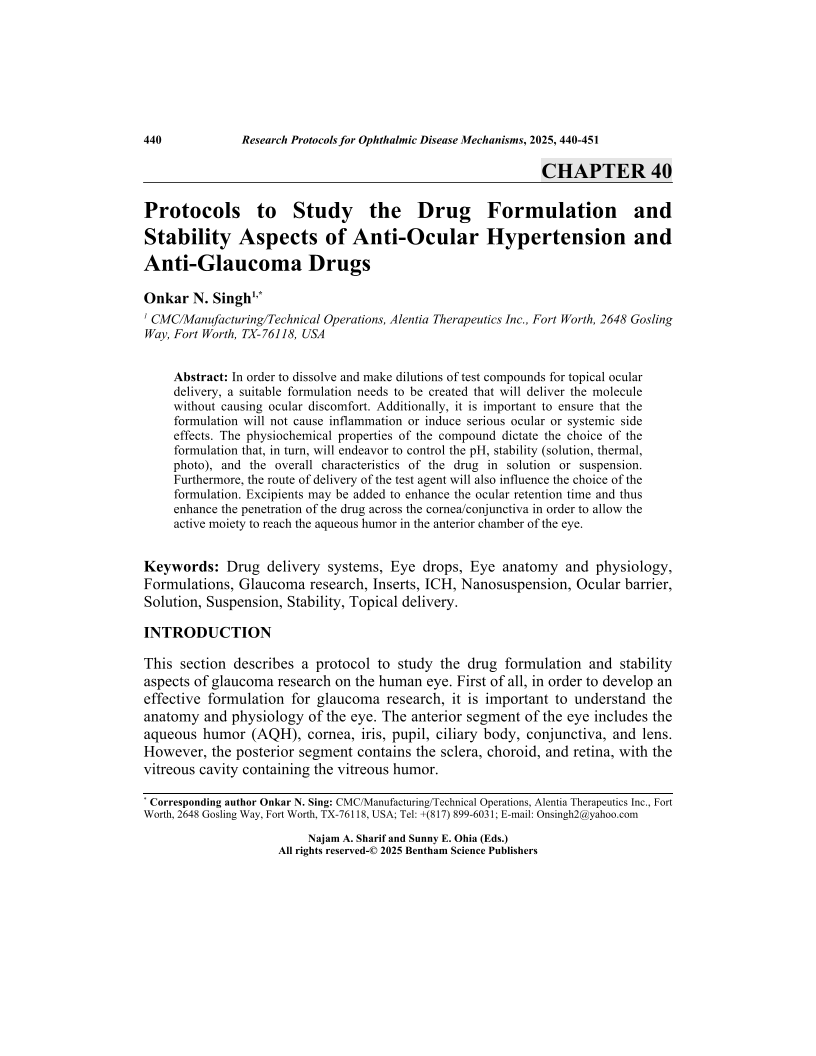
In order to dissolve and make dilutions of test compounds for topical ocular delivery, a suitable formulation needs to be created that will deliver the molecule without causing ocular discomfort. Additionally, it is important to ensure that the formulation will not cause inflammation or induce serious ocular or systemic side effects. The physiochemical properties of the compound dictate the choice of the formulation that, in turn, will endeavor to control the pH, stability (solution, thermal, photo), and the overall characteristics of the drug in solution or suspension. Furthermore, the route of delivery of the test agent will also influence the choice of the formulation. Excipients may be added to enhance the ocular retention time and thus enhance the penetration of the drug across the cornea/conjunctiva in order to allow the active moiety to reach the aqueous humor in the anterior chamber of the eye.
-
From This Site
/content/books/9789815324334.chapter-40dcterms_subject,pub_keyword-contentType:Journal -contentType:Figure -contentType:Table -contentType:SupplementaryData105
