


The Role of Bariatric and Metabolic Surgery in the Management of Metabolic Syndrome

- Authors: Halit Eren Taşkın1, Hafize Uzun2
-
View Affiliations Hide Affiliations1 Department of Medical Biochemistry, Faculty of Medicine, Istanbul Atlas University, Istanbul, Turkey 2 Department of Medical Biochemistry, Faculty of Medicine, Istanbul Atlas University, Istanbul, Turkey
- Source: Metabolic Syndrome: A Comprehensive Update with New Insights , pp 328-340
- Publication Date: January 2025
- Language: English


The Role of Bariatric and Metabolic Surgery in the Management of Metabolic Syndrome, Page 1 of 1
< Previous page | Next page > /docserver/preview/fulltext/9789815322132/chapter-18-1.gif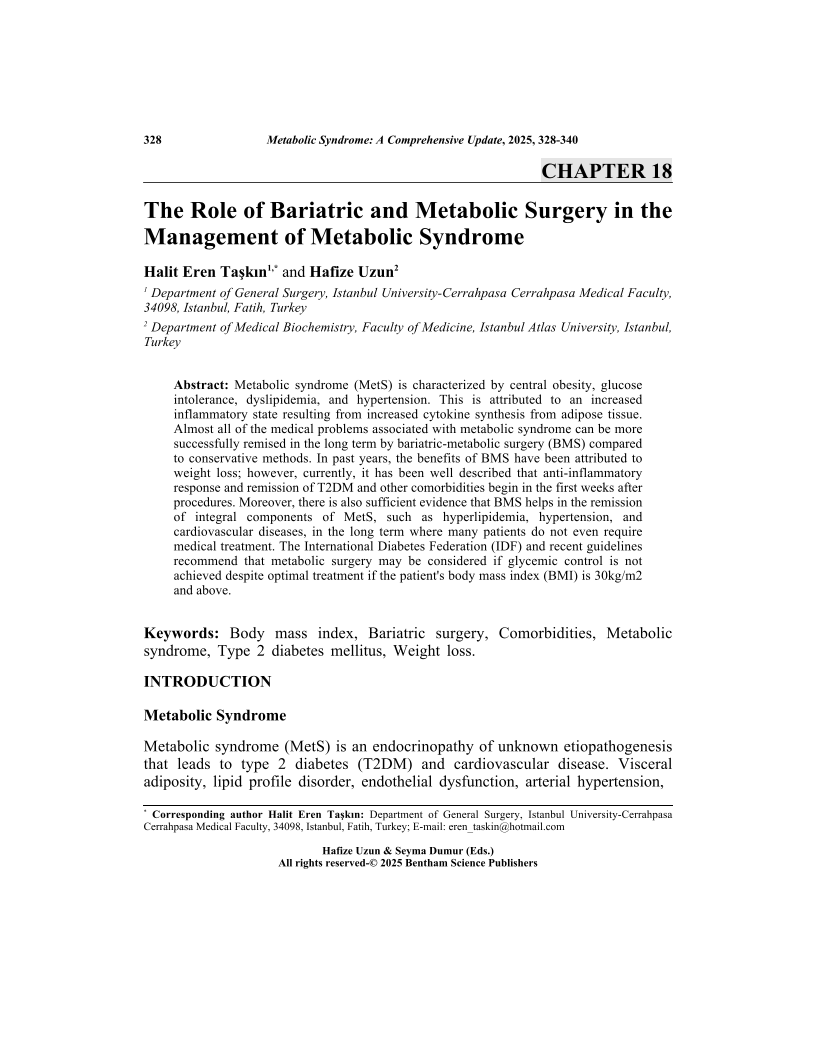
Metabolic syndrome (MetS) is characterized by central obesity, glucose intolerance, dyslipidemia, and hypertension. This is attributed to an increased inflammatory state resulting from increased cytokine synthesis from adipose tissue. Almost all of the medical problems associated with metabolic syndrome can be more successfully remised in the long term by bariatric-metabolic surgery (BMS) compared to conservative methods. In past years, the benefits of BMS have been attributed to weight loss; however, currently, it has been well described that anti-inflammatory response and remission of T2DM and other comorbidities begin in the first weeks after procedures. Moreover, there is also sufficient evidence that BMS helps in the remission of integral components of MetS, such as hyperlipidemia, hypertension, and cardiovascular diseases, in the long term where many patients do not even require medical treatment. The International Diabetes Federation (IDF) and recent guidelines recommend that metabolic surgery may be considered if glycemic control is not achieved despite optimal treatment if the patient's body mass index (BMI) is 30kg/m2 and above.
-
From This Site
/content/books/9789815322132.chapter-18dcterms_subject,pub_keyword-contentType:Journal -contentType:Figure -contentType:Table -contentType:SupplementaryData105
