


Understanding the H1N1 Pandemic: Characteristics, Global Impact, Treatment, and WHO Recommendations
- Authors: Deepak Singh Bisht1, Tuhin James Paul2, Ayushreeya Banga3, Amandeep Singh4, Pooja Chawla5
-
View Affiliations Hide Affiliations1 Department of Pharmaceutical Chemistry, ISF College of Pharmacy, Moga, Punjab 142001, India 2 Department of Pharmacy Practice, ISF College of Pharmacy, Moga, Punjab-142001, India 3 Department of Pharmacy Practice, ISF College of Pharmacy, Moga, Punjab-142001, India 4 Department of Pharmaceutics, ISF College of Pharmacy, Moga, Punjab-142001, India 5 University Institute of Pharmaceutical Sciences and Research, Baba Farid University of Health Sciences, Faridkot, Punjab-151203, India
- Source: Viral Outbreaks: 2019-2023 Overview , pp 90-104
- Publication Date: May 2025
- Language: English


Understanding the H1N1 Pandemic: Characteristics, Global Impact, Treatment, and WHO Recommendations, Page 1 of 1
< Previous page | Next page > /docserver/preview/fulltext/9789815313475/chapter-6-1.gif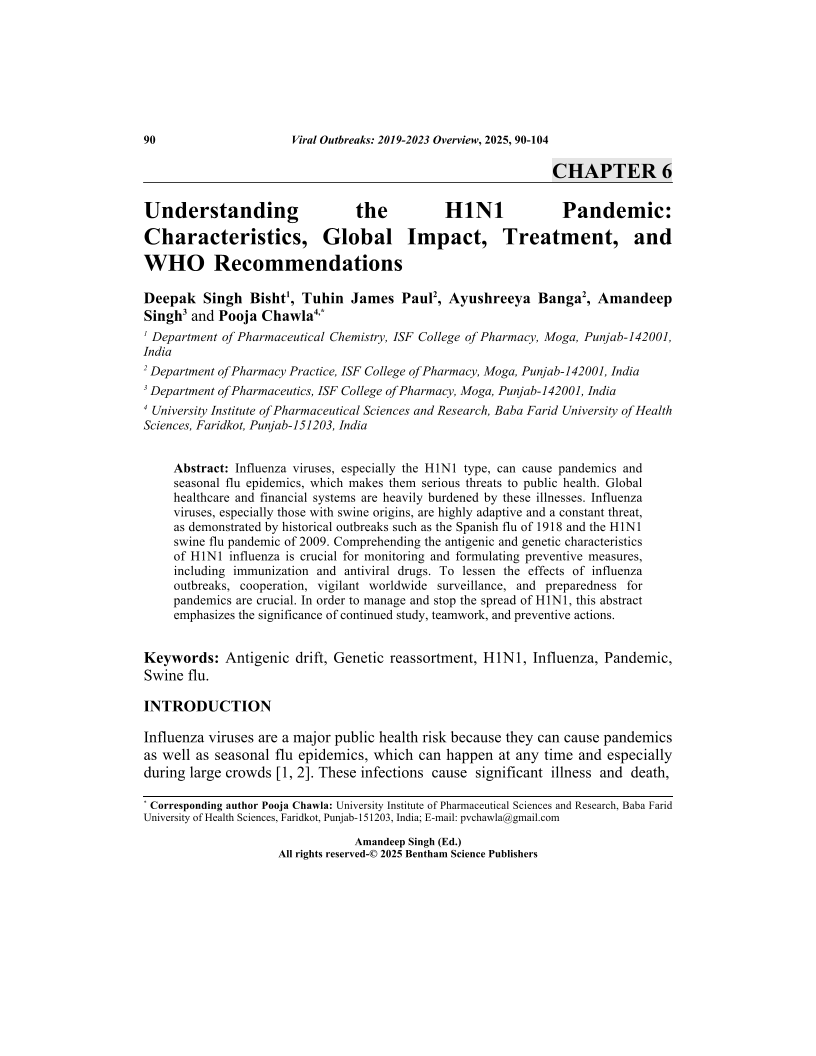
Influenza viruses, especially the H1N1 type, can cause pandemics and seasonal flu epidemics, which makes them serious threats to public health. Global healthcare and financial systems are heavily burdened by these illnesses. Influenza viruses, especially those with swine origins, are highly adaptive and a constant threat, as demonstrated by historical outbreaks such as the Spanish flu of 1918 and the H1N1 swine flu pandemic of 2009. Comprehending the antigenic and genetic characteristics of H1N1 influenza is crucial for monitoring and formulating preventive measures, including immunization and antiviral drugs. To lessen the effects of influenza outbreaks, cooperation, vigilant worldwide surveillance, and preparedness for pandemics are crucial. In order to manage and stop the spread of H1N1, this abstract emphasizes the significance of continued study, teamwork, and preventive actions.
-
From This Site
/content/books/9789815313475.chapter-6dcterms_subject,pub_keyword-contentType:Journal -contentType:Figure -contentType:Table -contentType:SupplementaryData105
