


Exploring the Therapeutic Potential of Viburnum Opulus L.: A Comprehensive Review of its Medicinal Properties and Health Benefits
- Authors: Fatma Akat1, Eissa Almaghrebi2
-
View Affiliations Hide Affiliations1 Medical Biochemistry Department, Selçuk University Health Sciences Institute, Selcuklu/Konya, Türkiye 2 Medical Biochemistry Department, Selçuk University Health Sciences Institute, Selcuklu/Konya, Türkiye
- Source: Traditional Medicine in North East Africa: Research on Traditional Healer Preparations and Herbs , pp 147-171
- Publication Date: April 2025
- Language: English


Exploring the Therapeutic Potential of Viburnum Opulus L.: A Comprehensive Review of its Medicinal Properties and Health Benefits, Page 1 of 1
< Previous page | Next page > /docserver/preview/fulltext/9789815313178/chapter-7-1.gif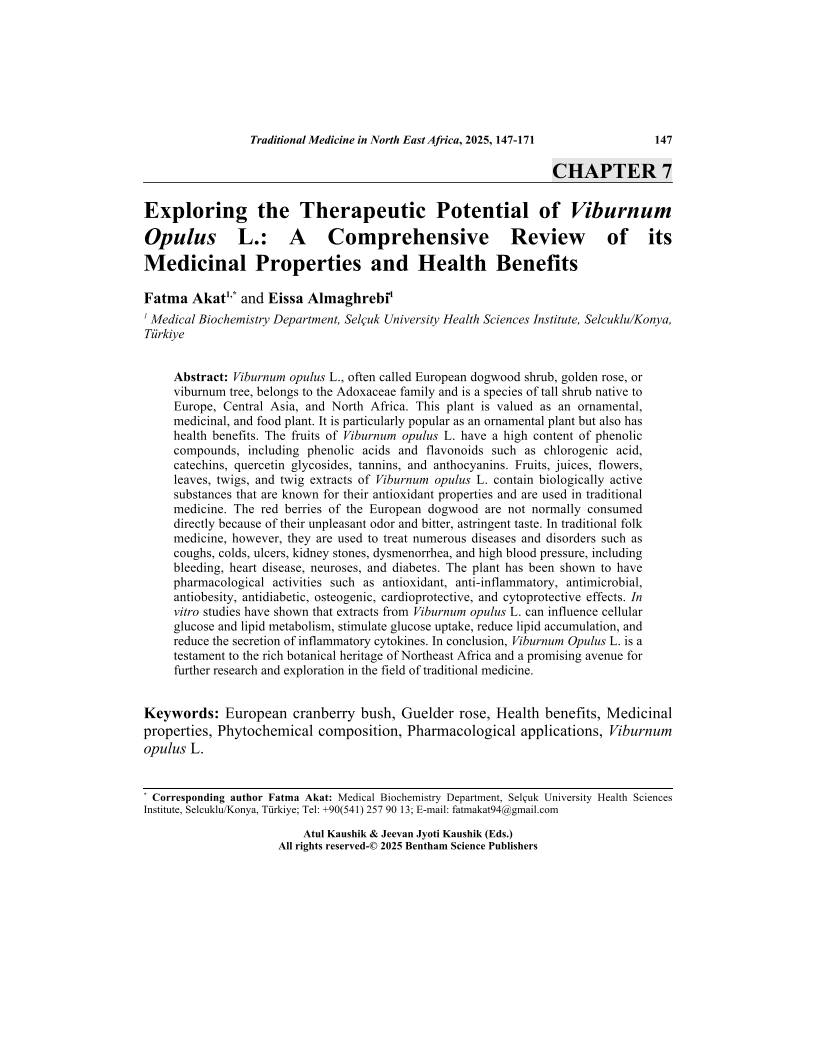
Viburnum opulus L., often called European dogwood shrub, golden rose, or viburnum tree, belongs to the Adoxaceae family and is a species of tall shrub native to Europe, Central Asia, and North Africa. This plant is valued as an ornamental, medicinal, and food plant. It is particularly popular as an ornamental plant but also has health benefits. The fruits of Viburnum opulus L. have a high content of phenolic compounds, including phenolic acids and flavonoids such as chlorogenic acid, catechins, quercetin glycosides, tannins, and anthocyanins. Fruits, juices, flowers, leaves, twigs, and twig extracts of Viburnum opulus L. contain biologically active substances that are known for their antioxidant properties and are used in traditional medicine. The red berries of the European dogwood are not normally consumed directly because of their unpleasant odor and bitter, astringent taste. In traditional folk medicine, however, they are used to treat numerous diseases and disorders such as coughs, colds, ulcers, kidney stones, dysmenorrhea, and high blood pressure, including bleeding, heart disease, neuroses, and diabetes. The plant has been shown to have pharmacological activities such as antioxidant, anti-inflammatory, antimicrobial, antiobesity, antidiabetic, osteogenic, cardioprotective, and cytoprotective effects. In vitro studies have shown that extracts from Viburnum opulus L. can influence cellular glucose and lipid metabolism, stimulate glucose uptake, reduce lipid accumulation, and reduce the secretion of inflammatory cytokines. In conclusion, Viburnum Opulus L. is a testament to the rich botanical heritage of Northeast Africa and a promising avenue for further research and exploration in the field of traditional medicine.
-
From This Site
/content/books/9789815313178.chapter-7dcterms_subject,pub_keyword-contentType:Journal -contentType:Figure -contentType:Table -contentType:SupplementaryData105
