


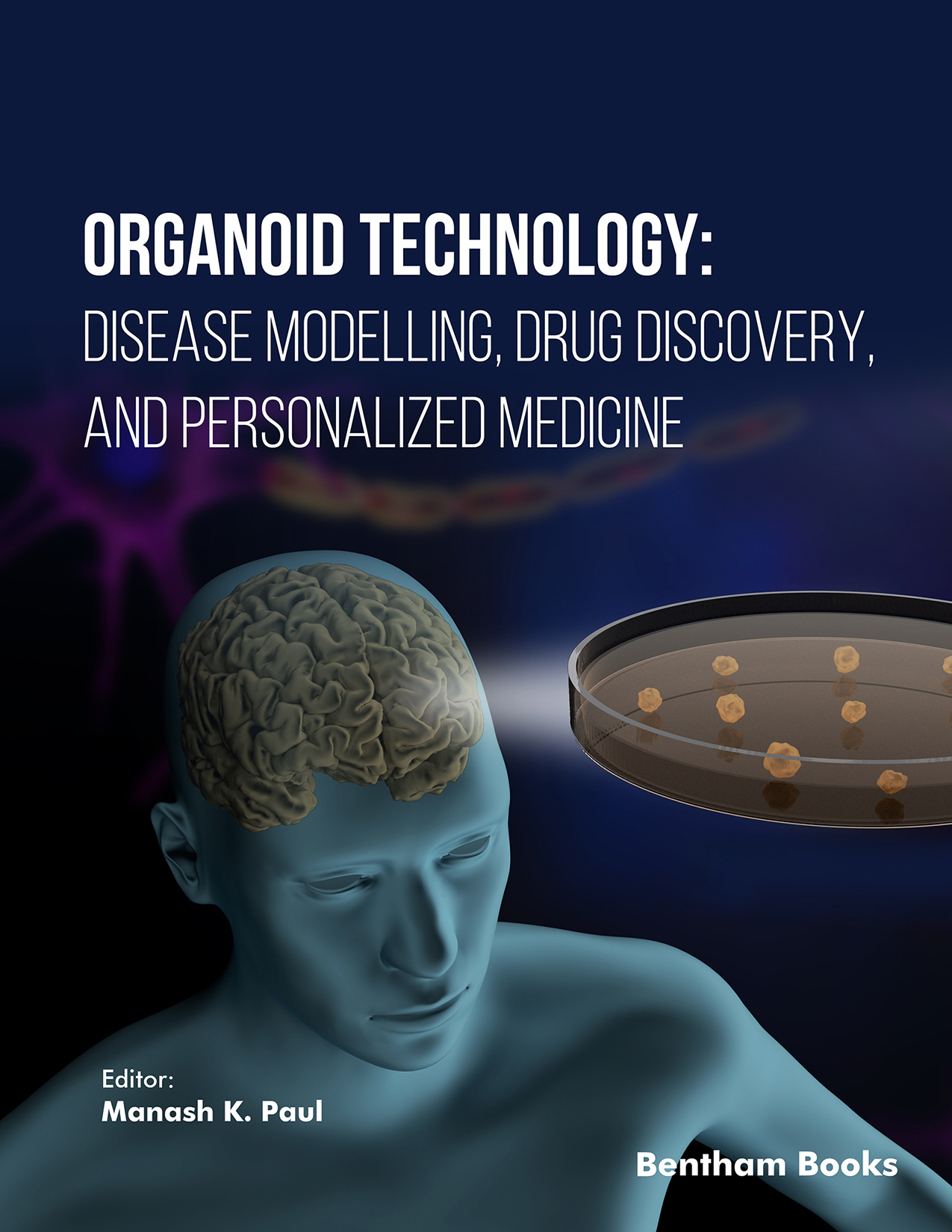
Organoid Technology: Disease Modeling, Drug Discovery, and Personalized Medicine
- Authors: Jyotirmoi Aich1, Sangeeta Ballav2, Isha Zafar3, Aqdas Khan4, Shubhi Singh5, Manash K. Paul6, Shine Devrajan7, Soumya Basu8
-
View Affiliations Hide Affiliations1 School of Biotechnology and Bioinformatics, Dr. D. Y. Patil Deemed to be University, CBD Belapur, Navi Mumbai, Maharashtra, 400 614, India 2 Cancer and Translational Research Centre, Dr. D. Y. Patil Biotechnology and Bioinformatics Institute, Dr. D. Y. Patil Vidyapeeth, Pune, Maharashtra, 411 033, India 3 Cancer and Translational Research Centre, Dr. D. Y. Patil Biotechnology and Bioinformatics Institute, Dr. D. Y. Patil Vidyapeeth, Pune, Maharashtra, 411 033, India 4 School of Biotechnology and Bioinformatics, Dr. D. Y. Patil Deemed to be University, CBD Belapur, Navi Mumbai, Maharashtra, 400 614, India 5 School of Biotechnology and Bioinformatics, Dr. D. Y. Patil Deemed to be University, CBD Belapur, Navi Mumbai, Maharashtra, 400 614, India 6 Department of Radiation Biology and Toxicology, Manipal School of Life Sciences, Manipal Academy of Higher Education, Manipal, 576104, India 7 School of Biotechnology and Bioinformatics, Dr. D. Y. Patil Deemed to be University, CBD Belapur, Navi Mumbai, Maharashtra, 400 614, India 8 Cancer and Translational Research Centre, Dr. D. Y. Patil Biotechnology and Bioinformatics Institute, Dr. D. Y. Patil Vidyapeeth, Pune, Maharashtra, 411 033, India
- Source: Organoid Technology: Disease Modelling, Drug Discovery, and Personalized Medicine , pp 59-77
- Publication Date: July 2025
- Language: English


Organoid Technology: Disease Modeling, Drug Discovery, and Personalized Medicine, Page 1 of 1
< Previous page | Next page > /docserver/preview/fulltext/9789815238693/chapter-2-1.gif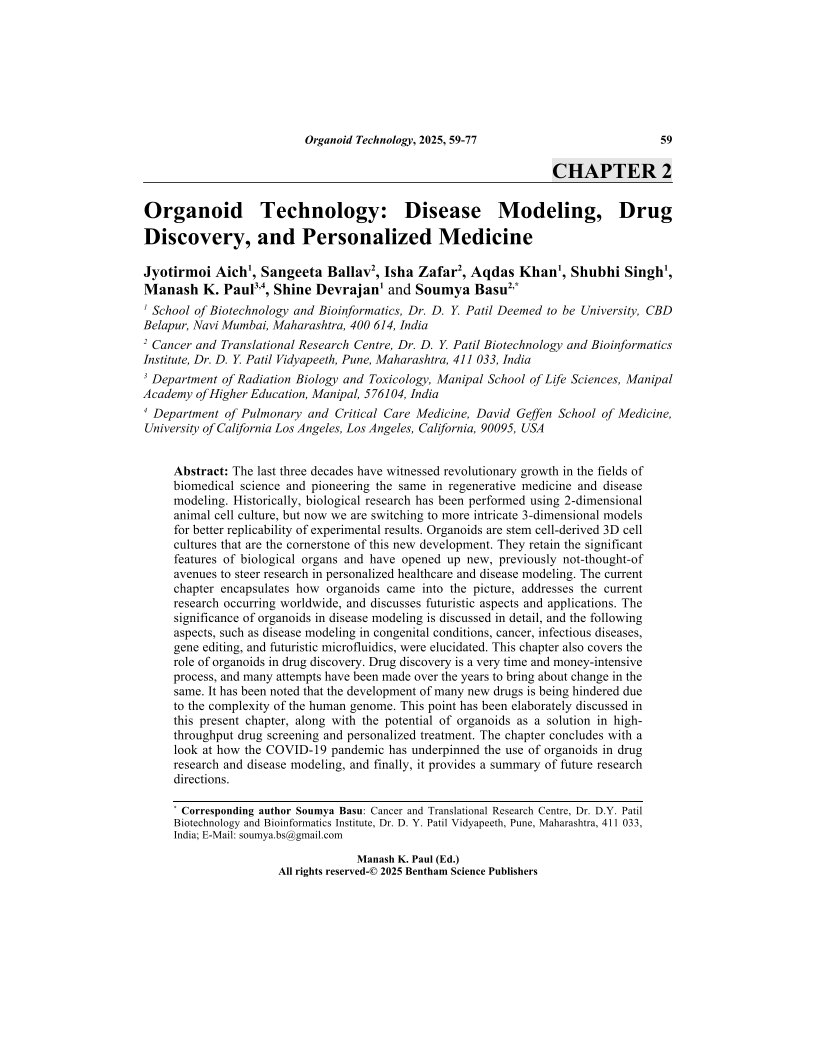
The last three decades have witnessed revolutionary growth in the fields of biomedical science and pioneering the same in regenerative medicine and disease modeling. Historically, biological research has been performed using 2-dimensional animal cell culture, but now we are switching to more intricate 3-dimensional models for better replicability of experimental results. Organoids are stem cell-derived 3D cell cultures that are the cornerstone of this new development. They retain the significant features of biological organs and have opened up new, previously not-thought-of avenues to steer research in personalized healthcare and disease modeling. The current chapter encapsulates how organoids came into the picture, addresses the current research occurring worldwide, and discusses futuristic aspects and applications. The significance of organoids in disease modeling is discussed in detail, and the following aspects, such as disease modeling in congenital conditions, cancer, infectious diseases, gene editing, and futuristic microfluidics, were elucidated. This chapter also covers the role of organoids in drug discovery. Drug discovery is a very time and money-intensive process, and many attempts have been made over the years to bring about change in the same. It has been noted that the development of many new drugs is being hindered due to the complexity of the human genome. This point has been elaborately discussed in this present chapter, along with the potential of organoids as a solution in highthroughput drug screening and personalized treatment. The chapter concludes with a look at how the COVID-19 pandemic has underpinned the use of organoids in drug research and disease modeling, and finally, it provides a summary of future research directions.
-
From This Site
/content/books/9789815238693.chapter-2dcterms_subject,pub_keyword-contentType:Journal -contentType:Figure -contentType:Table -contentType:SupplementaryData105
