


Graphene Oxide Nanocomposites: Photocatalytic Dye Degradation Investigations
- Authors: Paulraj Adwin Jose1, Murugesan Sankarganesh2, Jeyaraj Dhaveethu Raja3, Jegathalaprathapan Rajesh4
-
View Affiliations Hide Affiliations1 Department of Chemistry, E.G.S. Pillay Engineering College (Autonomous), Nagapattinam, Tamil Nadu 611002, India 2 Department of Chemistry, Saveetha School of Engineering, Saveetha Institute of Medical and Technical Sciences, Saveetha University, Chennai, Tamil Nadu-602105, India 3 Department of Chemistry, The American College, Tallakkulam, Madurai, Tamil Nadu-625002, India 4 Department of Chemistry, Saveetha School of Engineering, Saveetha Institute of Medical and Technical Sciences, Saveetha University, Chennai, Tamil Nadu-602105, India
- Source: Advances in Dye Degradation: Volume 2 , pp 139-155
- Publication Date: July 2024
- Language: English


Graphene Oxide Nanocomposites: Photocatalytic Dye Degradation Investigations, Page 1 of 1
< Previous page | Next page > /docserver/preview/fulltext/9789815238150/chapter-7-1.gif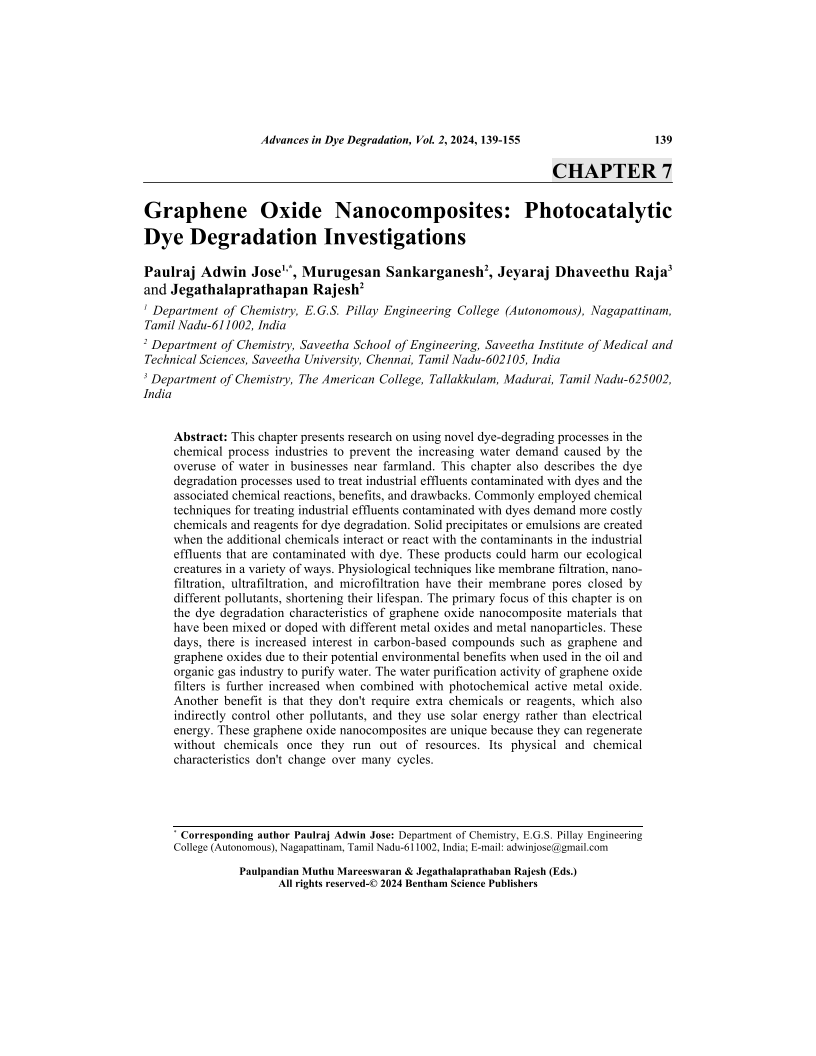
This chapter presents research on using novel dye-degrading processes in the chemical process industries to prevent the increasing water demand caused by the overuse of water in businesses near farmland. This chapter also describes the dye degradation processes used to treat industrial effluents contaminated with dyes and the associated chemical reactions, benefits, and drawbacks. Commonly employed chemical techniques for treating industrial effluents contaminated with dyes demand more costly chemicals and reagents for dye degradation. Solid precipitates or emulsions are created when the additional chemicals interact or react with the contaminants in the industrial effluents that are contaminated with dye. These products could harm our ecological creatures in a variety of ways. Physiological techniques like membrane filtration, nanofiltration, ultrafiltration, and microfiltration have their membrane pores closed by different pollutants, shortening their lifespan. The primary focus of this chapter is on the dye degradation characteristics of graphene oxide nanocomposite materials that have been mixed or doped with different metal oxides and metal nanoparticles. These days, there is increased interest in carbon-based compounds such as graphene and graphene oxides due to their potential environmental benefits when used in the oil and organic gas industry to purify water. The water purification activity of graphene oxide filters is further increased when combined with photochemical active metal oxide. Another benefit is that they don't require extra chemicals or reagents, which also indirectly control other pollutants, and they use solar energy rather than electrical energy. These graphene oxide nanocomposites are unique because they can regenerate without chemicals once they run out of resources. Its physical and chemical characteristics don't change over many cycles.
-
From This Site
/content/books/9789815238150.chapter-7dcterms_subject,pub_keyword-contentType:Journal -contentType:Figure -contentType:Table -contentType:SupplementaryData105
