


Molecular Basis of Hepatitis B

- Authors: Saima Pervaiz1, Sara Masood Cheema2
-
View Affiliations Hide Affiliations1 Department of Immunology, University of Health Sciences, Lahore, Pakistan 2 Department of Pathology, Azra Naheed Medical College, Superior University, Lahore, Pakistan
- Source: Fundamentals of Cellular and Molecular Biology , pp 188-200
- Publication Date: May 2024
- Language: English


Molecular Basis of Hepatitis B, Page 1 of 1
< Previous page | Next page > /docserver/preview/fulltext/9789815238037/chapter-15-1.gif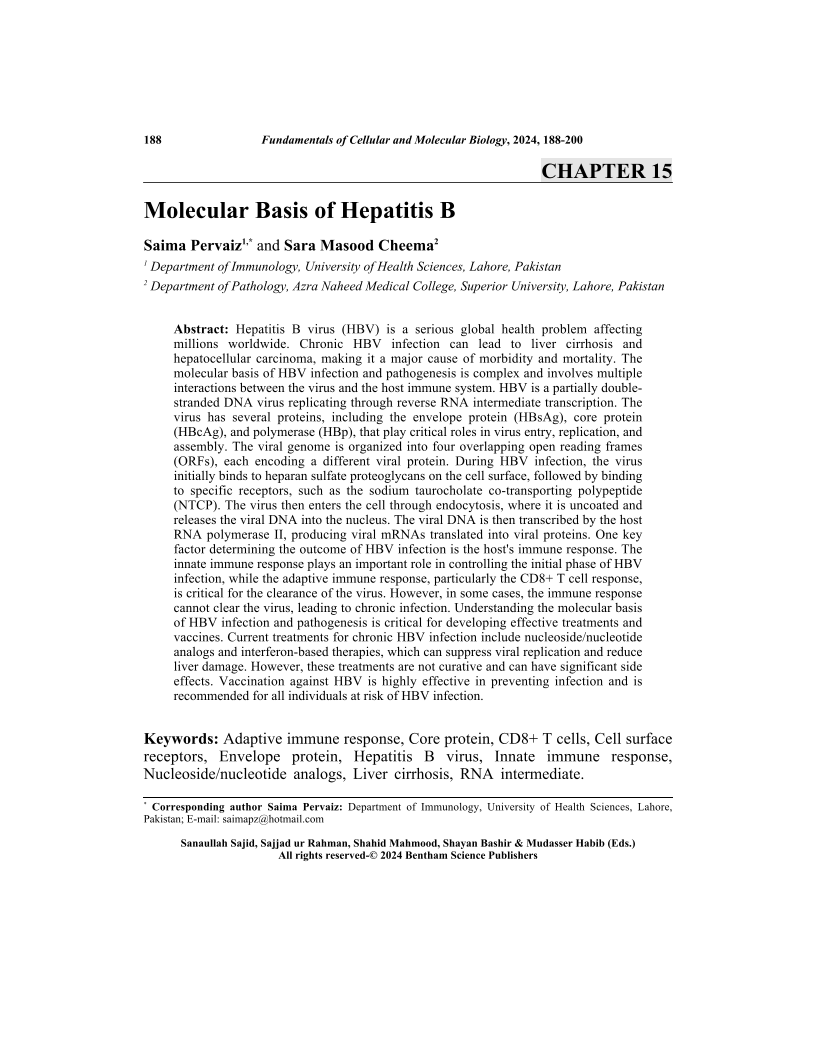
Hepatitis B virus (HBV) is a serious global health problem affecting millions worldwide. Chronic HBV infection can lead to liver cirrhosis and hepatocellular carcinoma, making it a major cause of morbidity and mortality. The molecular basis of HBV infection and pathogenesis is complex and involves multiple interactions between the virus and the host immune system. HBV is a partially doublestranded DNA virus replicating through reverse RNA intermediate transcription. The virus has several proteins, including the envelope protein (HBsAg), core protein (HBcAg), and polymerase (HBp), that play critical roles in virus entry, replication, and assembly. The viral genome is organized into four overlapping open reading frames (ORFs), each encoding a different viral protein. During HBV infection, the virus initially binds to heparan sulfate proteoglycans on the cell surface, followed by binding to specific receptors, such as the sodium taurocholate co-transporting polypeptide (NTCP). The virus then enters the cell through endocytosis, where it is uncoated and releases the viral DNA into the nucleus. The viral DNA is then transcribed by the host RNA polymerase II, producing viral mRNAs translated into viral proteins. One key factor determining the outcome of HBV infection is the host's immune response. The innate immune response plays an important role in controlling the initial phase of HBV infection, while the adaptive immune response, particularly the CD8+ T cell response, is critical for the clearance of the virus. However, in some cases, the immune response cannot clear the virus, leading to chronic infection. Understanding the molecular basis of HBV infection and pathogenesis is critical for developing effective treatments and vaccines. Current treatments for chronic HBV infection include nucleoside/nucleotide analogs and interferon-based therapies, which can suppress viral replication and reduce liver damage. However, these treatments are not curative and can have significant side effects. Vaccination against HBV is highly effective in preventing infection and is recommended for all individuals at risk of HBV infection.
-
From This Site
/content/books/9789815238037.chapter-15dcterms_subject,pub_keyword-contentType:Journal -contentType:Figure -contentType:Table -contentType:SupplementaryData105
