


Molecular Basis of Obesity

- By Itrat Fatima Toor1
-
View Affiliations Hide Affiliations1 National Institute of Food Science and Technology, University of Agriculture, Faisalabad, Pakistan
- Source: Fundamentals of Cellular and Molecular Biology , pp 177-187
- Publication Date: May 2024
- Language: English


Molecular Basis of Obesity, Page 1 of 1
< Previous page | Next page > /docserver/preview/fulltext/9789815238037/chapter-14-1.gif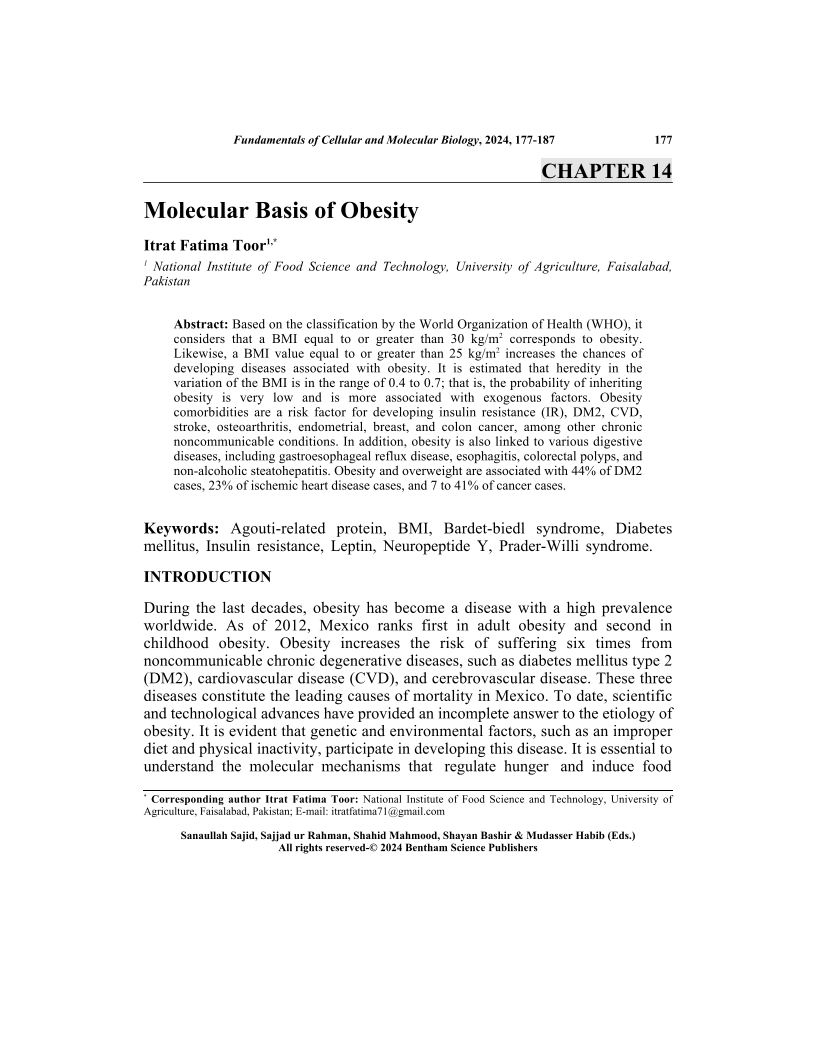
Based on the classification by the World Organization of Health (WHO), it considers that a BMI equal to or greater than 30 kg/m2 corresponds to obesity. Likewise, a BMI value equal to or greater than 25 kg/m2 increases the chances of developing diseases associated with obesity. It is estimated that heredity in the variation of the BMI is in the range of 0.4 to 0.7; that is, the probability of inheriting obesity is very low and is more associated with exogenous factors. Obesity comorbidities are a risk factor for developing insulin resistance (IR), DM2, CVD, stroke, osteoarthritis, endometrial, breast, and colon cancer, among other chronic noncommunicable conditions. In addition, obesity is also linked to various digestive diseases, including gastroesophageal reflux disease, esophagitis, colorectal polyps, and non-alcoholic steatohepatitis. Obesity and overweight are associated with 44% of DM2 cases, 23% of ischemic heart disease cases, and 7 to 41% of cancer cases.
-
From This Site
/content/books/9789815238037.chapter-14dcterms_subject,pub_keyword-contentType:Journal -contentType:Figure -contentType:Table -contentType:SupplementaryData105
