


Malignant Mesothelioma

- Authors: Yasutaka Takinishi1, Mika Tanji2, Haining Yang3, Michele Carbone4
-
View Affiliations Hide Affiliations1 Thoracic Oncology, University of Hawaii Cancer Center, USA 2 Thoracic Oncology, University of Hawaii Cancer Center, USA 3 Thoracic Oncology, University of Hawaii Cancer Center, USA 4 Thoracic Oncology, University of Hawaii Cancer Center, USA
- Source: Modern Occupational Diseases: Diagnosis, Epidemiology, Management and Prevention , pp 164-187
- Publication Date: September 2022
- Language: English


Malignant Mesothelioma, Page 1 of 1
< Previous page | Next page > /docserver/preview/fulltext/9789815049138/chap9-1.gif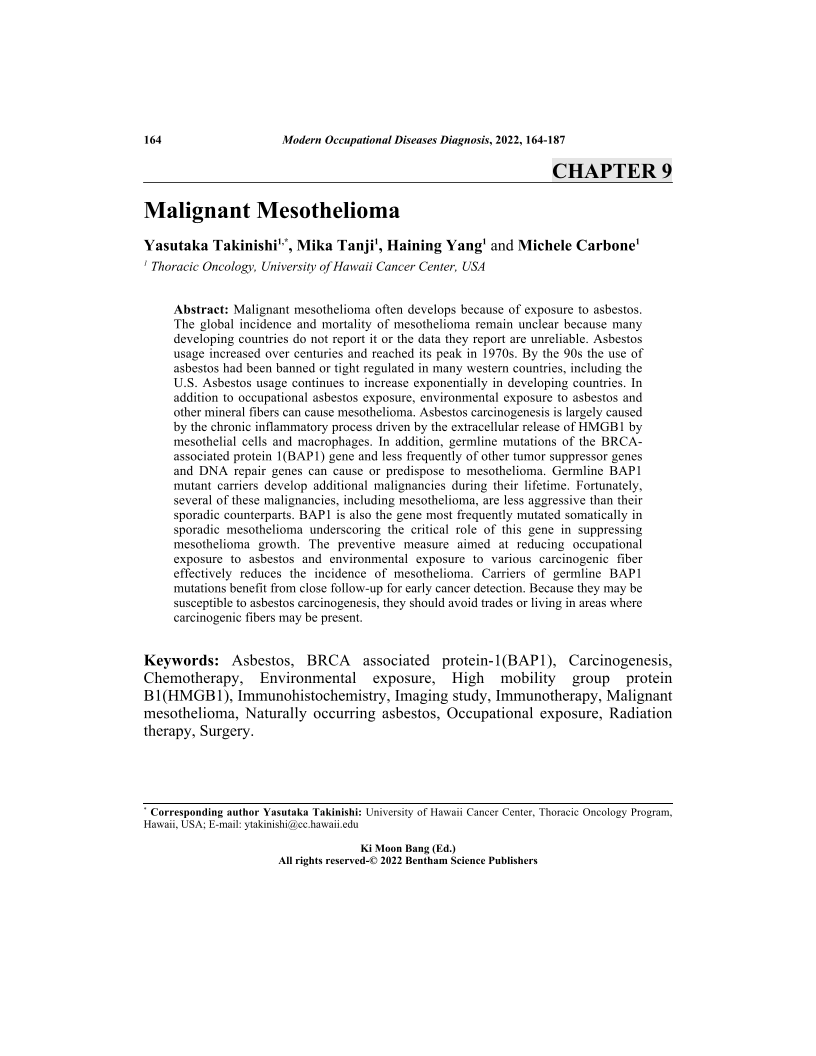
Malignant mesothelioma often develops because of exposure to asbestos. The global incidence and mortality of mesothelioma remain unclear because many developing countries do not report it or the data they report are unreliable. Asbestos usage increased over centuries and reached its peak in 1970s. By the 90s the use of asbestos had been banned or tight regulated in many western countries, including the U.S. Asbestos usage continues to increase exponentially in developing countries. In addition to occupational asbestos exposure, environmental exposure to asbestos and other mineral fibers can cause mesothelioma. Asbestos carcinogenesis is largely caused by the chronic inflammatory process driven by the extracellular release of HMGB1 by mesothelial cells and macrophages. In addition, germline mutations of the BRCAassociated protein 1(BAP1) gene and less frequently of other tumor suppressor genes and DNA repair genes can cause or predispose to mesothelioma. Germline BAP1 mutant carriers develop additional malignancies during their lifetime. Fortunately, several of these malignancies, including mesothelioma, are less aggressive than their sporadic counterparts. BAP1 is also the gene most frequently mutated somatically in sporadic mesothelioma underscoring the critical role of this gene in suppressing mesothelioma growth. The preventive measure aimed at reducing occupational exposure to asbestos and environmental exposure to various carcinogenic fiber effectively reduces the incidence of mesothelioma. Carriers of germline BAP1 mutations benefit from close follow-up for early cancer detection. Because they may be susceptible to asbestos carcinogenesis, they should avoid trades or living in areas where carcinogenic fibers may be present.
-
From This Site
/content/books/9789815049138.chap9dcterms_subject,pub_keyword-contentType:Journal -contentType:Figure -contentType:Table -contentType:SupplementaryData105
