


The Symbiotic Relationship Between Fungi and Plants
- Authors: Souvik Roy1, Lopamudra Choudhury2
-
View Affiliations Hide Affiliations1 Post Graduate Department of Biotechnology, St. Xaviers College (Autonomous), 30, MotherTeresa Sarani, Kolkata 700016, West Bengal, India 2 Department of Microbiology, Sarsuna College (affiliated toCalcutta University), 4/HB/A, Ho-Chi-Minh Sarani, Sarsuna Upanagari, Kolkata 700061, WestBengal, India
- Source: Sustainable Utilization of Fungi in Agriculture and Industry , pp 52-74
- Publication Date: July 2022
- Language: English


The Symbiotic Relationship Between Fungi and Plants, Page 1 of 1
< Previous page | Next page > /docserver/preview/fulltext/9789815040340/chap4-1.gif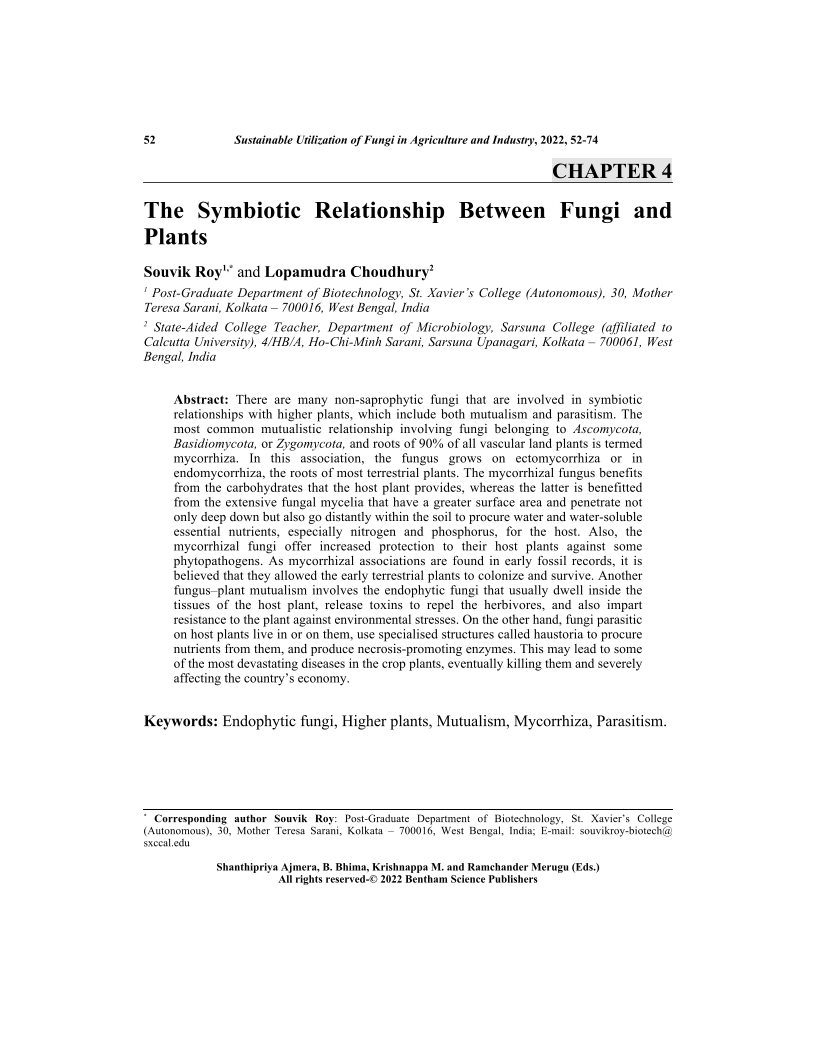
There are many non-saprophytic fungi that are involved in symbiotic relationships with higher plants, which include both mutualism and parasitism. The most common mutualistic relationship involving fungi belonging to Ascomycota, Basidiomycota, or Zygomycota, and roots of 90% of all vascular land plants is termed mycorrhiza. In this association, the fungus grows on ectomycorrhiza or in endomycorrhiza, the roots of most terrestrial plants. The mycorrhizal fungus benefits from the carbohydrates that the host plant provides, whereas the latter is benefitted from the extensive fungal mycelia that have a greater surface area and penetrate not only deep down but also go distantly within the soil to procure water and water-soluble essential nutrients, especially nitrogen and phosphorus, for the host. Also, the mycorrhizal fungi offer increased protection to their host plants against some phytopathogens. As mycorrhizal associations are found in early fossil records, it is believed that they allowed the early terrestrial plants to colonize and survive. Another fungus–plant mutualism involves the endophytic fungi that usually dwell inside the tissues of the host plant, release toxins to repel the herbivores, and also impart resistance to the plant against environmental stresses. On the other hand, fungi parasitic on host plants live in or on them, use specialised structures called haustoria to procure nutrients from them, and produce necrosis-promoting enzymes. This may lead to some of the most devastating diseases in the crop plants, eventually killing them and severely affecting the country’s economy
-
From This Site
/content/books/9789815040340.chap4dcterms_subject,pub_keyword-contentType:Journal -contentType:Figure -contentType:Table -contentType:SupplementaryData105
