


Overview on Experimental Models of Vascular Dementia and Vascular Cognitive Impairment
- Authors: Navneet Dhaliwal1, Jatinder Dhaliwal2, Kanwaljit Chopra3
-
View Affiliations Hide Affiliations1 Pharmacology Department, University Institute of Pharmaceutical Sciences, UGC Centre of Advanced Studies (UGC CAS), Panjab University, Chandigarh 160014, India 2 Pharmacology Department, University Institute of Pharmaceutical Sciences, UGC Centre of Advanced Studies (UGC-CAS), Panjab University, Chandigarh 160014, India 3 Pharmacology Department, University Institute of Pharmaceutical Sciences, UGC Centre of Advanced Studies (UGC-CAS), Panjab University, Chandigarh 160014, India
- Source: Animal Models for Neurological Disorders , pp 94-104
- Publication Date: December 2021
- Language: English


Overview on Experimental Models of Vascular Dementia and Vascular Cognitive Impairment, Page 1 of 1
< Previous page | Next page > /docserver/preview/fulltext/9789815039689/chapter-5-1.gif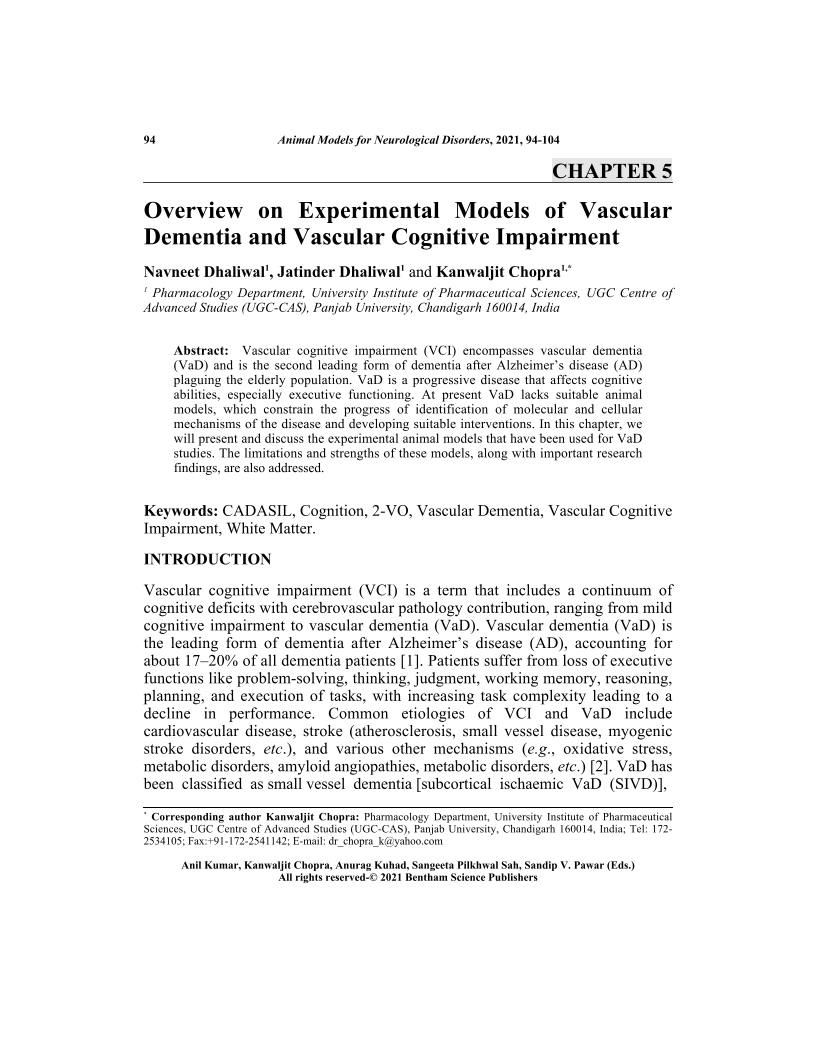
Vascular cognitive impairment (VCI) encompasses vascular dementia (VaD) and is the second leading form of dementia after Alzheimers disease (AD) plaguing the elderly population. VaD is a progressive disease that affects cognitive abilities, especially executive functioning. At present VaD lacks suitable animal models, which constrain the progress of identification of molecular and cellular mechanisms of the disease and developing suitable interventions. In this chapter, we will present and discuss the experimental animal models that have been used for VaD studies. The limitations and strengths of these models, along with important research findings, are also addressed.
-
From This Site
/content/books/9789815039689.chapter-5dcterms_subject,pub_keyword-contentType:Journal -contentType:Figure -contentType:Table -contentType:SupplementaryData105
