


Beta Glucan for the Treatment Of Vulvovaginal Candidiasis (VVC) and Recurrent Vulvovaginal Candidiasis (RVVC)
- By Betül Gürünlü1
-
View Affiliations Hide Affiliations1 "Üsküdar Üniversitesi, Biyomühendislik Bölümü, Merkez Yerleşke A Blok 325/AAltunizade, Üsküdar, İstanbul, Turkey"
- Source: Medical Applications of Beta-Glucan , pp 121-129
- Publication Date: January 2022
- Language: English


Beta Glucan for the Treatment Of Vulvovaginal Candidiasis (VVC) and Recurrent Vulvovaginal Candidiasis (RVVC), Page 1 of 1
< Previous page | Next page > /docserver/preview/fulltext/9789815039238/chapter-13-1.gif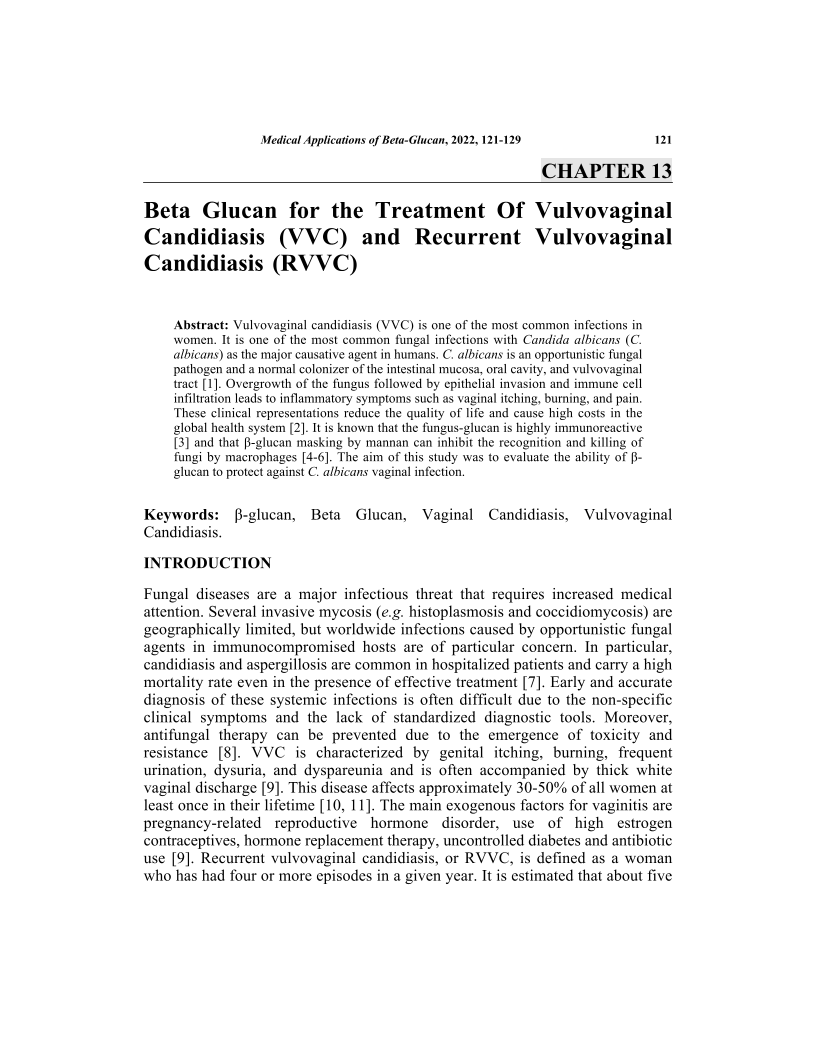
<div>Vulvovaginal candidiasis (VVC) is one of the most common infections in</div><div>women. It is one of the most common fungal infections with Candida albicans (C.</div><div>albicans) as the major causative agent in humans. C. albicans is an opportunistic fungal</div><div>pathogen and a normal colonizer of the intestinal mucosa, oral cavity, and vulvovaginal</div><div>tract [1]. Overgrowth of the fungus followed by epithelial invasion and immune cell</div><div>infiltration leads to inflammatory symptoms such as vaginal itching, burning, and pain.</div><div>These clinical representations reduce the quality of life and cause high costs in the</div><div>global health system [2]. It is known that the fungus-glucan is highly immunoreactive</div><div>[3] and that β-glucan masking by mannan can inhibit the recognition and killing of</div><div>fungi by macrophages [4-6]. The aim of this study was to evaluate the ability of β-</div><div>glucan to protect against C. albicans vaginal infection.</div>
-
From This Site
/content/books/9789815039238.chapter-13dcterms_subject,pub_keyword-contentType:Journal -contentType:Figure -contentType:Table -contentType:SupplementaryData105
