


Nanotherapeutics for Treatment of Neurological Disorders
- By Phoebe Wilson1
-
View Affiliations Hide Affiliations1 Science Advisory Board, 500 Women Scientists,United States
- Source: Nanotherapeutic Strategies and New Pharmaceuticals Part II , pp 1-15
- Publication Date: December 2021
- Language: English


Nanotherapeutics for Treatment of Neurological Disorders, Page 1 of 1
< Previous page | Next page > /docserver/preview/fulltext/9789815036725/chapter1-1.gif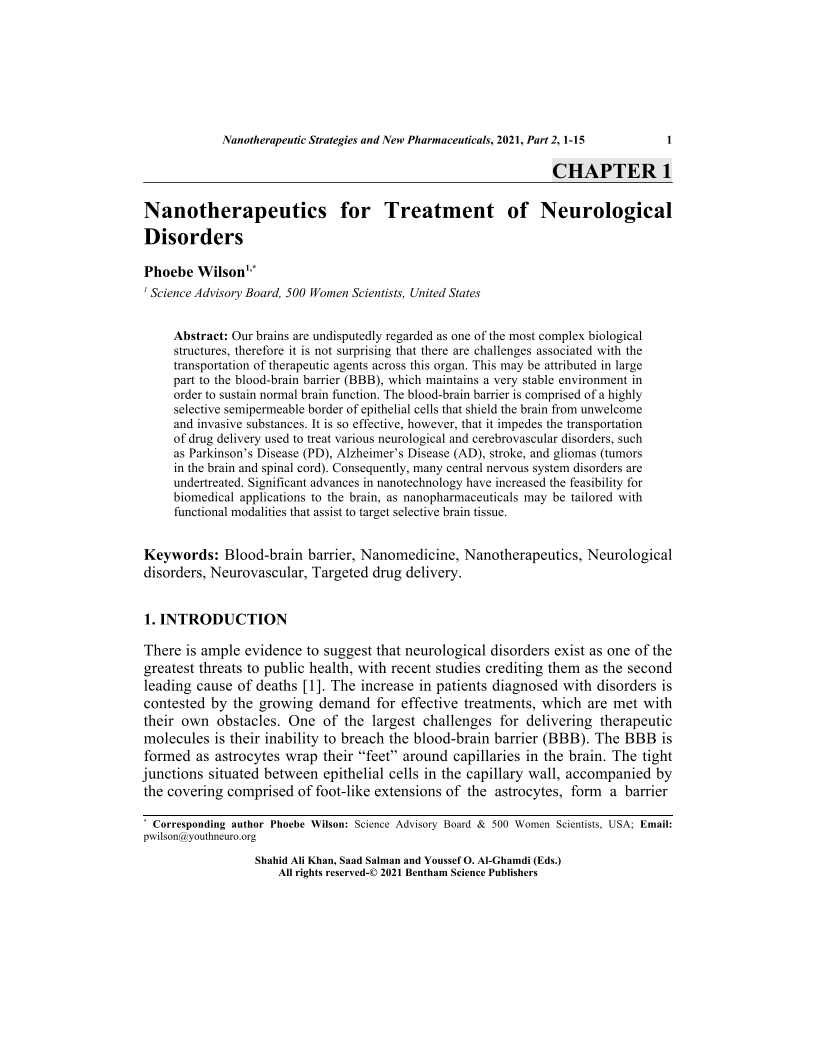
Our brains are undisputedly regarded as one of the most complex biological structures, therefore it is not surprising that there are challenges associated with the transportation of therapeutic agents across this organ. This may be attributed in large part to the blood-brain barrier (BBB), which maintains a very stable environment in order to sustain normal brain function. The blood-brain barrier is comprised of a highly selective semipermeable border of epithelial cells that shield the brain from unwelcome and invasive substances. It is so effective, however, that it impedes the transportation of drug delivery used to treat various neurological and cerebrovascular disorders, such as Parkinson’s Disease (PD), Alzheimer’s Disease (AD), stroke, and gliomas (tumors in the brain and spinal cord). Consequently, many central nervous system disorders are undertreated. Significant advances in nanotechnology have increased the feasibility for biomedical applications to the brain, as nanopharmaceuticals may be tailored with functional modalities that assist to target selective brain tissue.
-
From This Site
/content/books/9789815036725.chapter1dcterms_subject,pub_keyword-contentType:Journal -contentType:Figure -contentType:Table -contentType:SupplementaryData105
