


Metabolic Glycoengineering of Sialic Acids

- Authors: Jian Du, Ruben T. Almaraz, Elaine Tan, Kevin J. Yarema4
-
View Affiliations Hide Affiliations4 Translational Tissue Engineering Center Department of Biomedical Engineering, Robert H. and Clarice Smith Building 5029, Baltimore, MD, USA 21231
- Source: Sialobiology: Structure, Biosynthesis and Function. Sialic Acid Glycoconjugates in Health and Disease , pp 476-511
- Publication Date: January 2013
- Language: English


Metabolic Glycoengineering of Sialic Acids, Page 1 of 1
< Previous page | Next page > /docserver/preview/fulltext/9781608053865/chapter-14-1.gif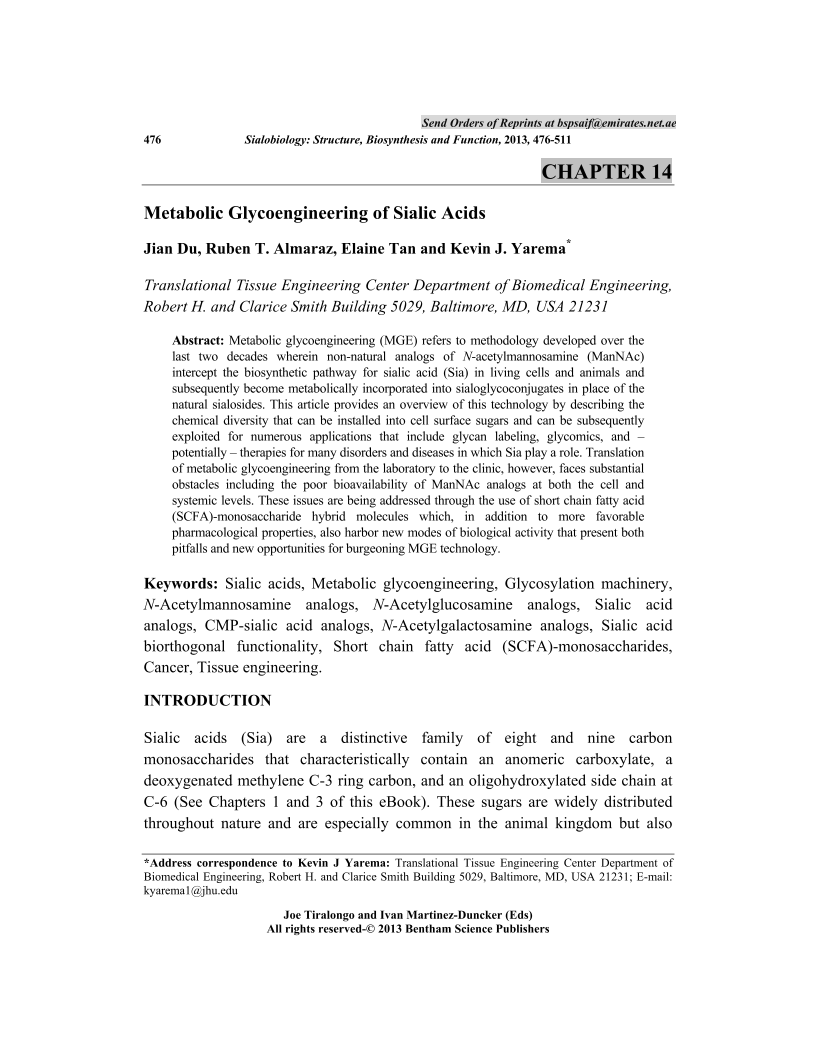
: Metabolic glycoengineering (MGE) refers to methodology developed over the last two decades wherein non-natural analogs of N-acetylmannosamine (ManNAc) intercept the biosynthetic pathway for sialic acid (Sia) in living cells and animals and subsequently become metabolically incorporated into sialoglycoconjugates in place of the natural sialosides. This article provides an overview of this technology by describing the chemical diversity that can be installed into cell surface sugars and can be subsequently exploited for numerous applications that include glycan labeling, glycomics, and potentially therapies for many disorders and diseases in which Sia play a role. Translation of metabolic glycoengineering from the laboratory to the clinic, however, faces substantial obstacles including the poor bioavailability of ManNAc analogs at both the cell and systemic levels. These issues are being addressed through the use of short chain fatty acid (SCFA)-monosaccharide hybrid molecules which, in addition to more favorable pharmacological properties, also harbor new modes of biological activity that present both pitfalls and new opportunities for burgeoning MGE technology.
-
From This Site
/content/books/9781608053865.chapter-14dcterms_subject,pub_keyword-contentType:Journal -contentType:Figure -contentType:Table -contentType:SupplementaryData105
