


Metabolism or Degradation of Pesticides: Phase I and Phase II Reactions
- By Dileep K. Singh1
-
View Affiliations Hide Affiliations1 University of Delhi, India
- Source: Toxicology: Agriculture and Environment Pesticide Chemistry and Toxicology , pp 62-96
- Publication Date: March 2012
- Language: English


Metabolism or Degradation of Pesticides: Phase I and Phase II Reactions, Page 1 of 1
< Previous page | Next page > /docserver/preview/fulltext/9781608051373/chapter-4-1.gif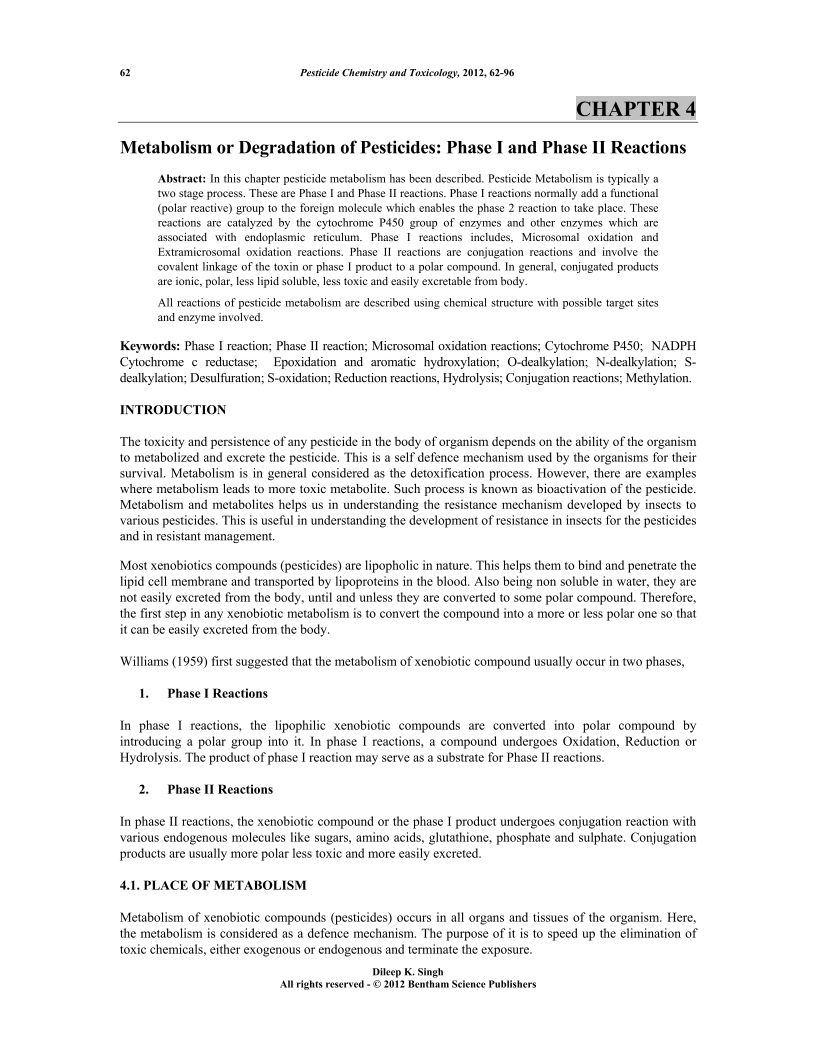
In this chapter pesticide metabolism has been described. Pesticide Metabolism is typically a two stage process. These are Phase I and Phase II reactions. Phase I reactions normally add a functional (polar reactive) group to the foreign molecule which enables the phase 2 reaction to take place. These reactions are catalyzed by the cytochrome P450 group of enzymes and other enzymes which are associated with endoplasmic reticulum. Phase I reactions includes, Microsomal oxidation and Extramicrosomal oxidation reactions. Phase II reactions are conjugation reactions and involve the covalent linkage of the toxin or phase I product to a polar compound. In general, conjugated products are ionic, polar, less lipid soluble, less toxic and easily excretable from body.
All reactions of pesticide metabolism are described using chemical structure with possible target sites and enzyme involved.
-
From This Site
/content/books/9781608051373.chapter-4dcterms_subject,pub_keyword-contentType:Journal -contentType:Figure -contentType:Table -contentType:SupplementaryData105
