


Toxicology of Pesticides
- By Dileep K. Singh1
-
View Affiliations Hide Affiliations1 University of Delhi, India
- Source: Toxicology: Agriculture and Environment Pesticide Chemistry and Toxicology , pp 50-61
- Publication Date: March 2012
- Language: English


Toxicology of Pesticides, Page 1 of 1
< Previous page | Next page > /docserver/preview/fulltext/9781608051373/chapter-3-1.gif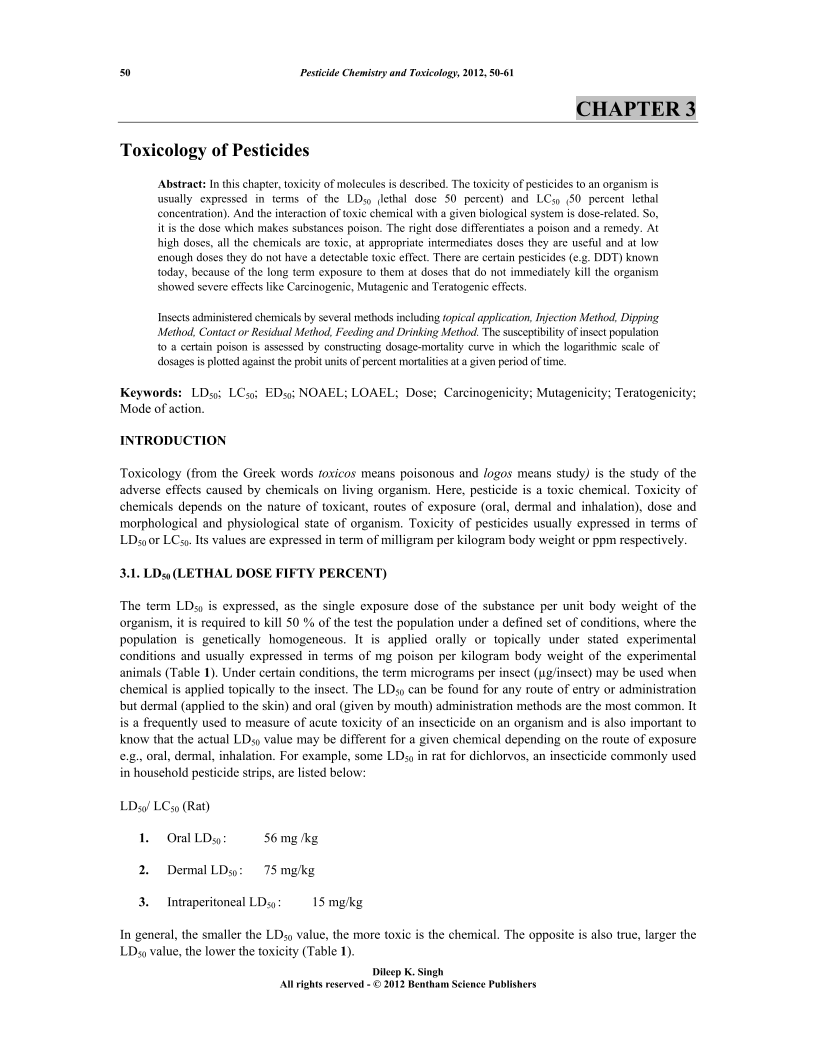
In this chapter, toxicity of molecules is described. The toxicity of pesticides to an organism is usually expressed in terms of the LD50 (lethal dose 50 percent) and LC50 (50 percent lethal concentration). And the interaction of toxic chemical with a given biological system is dose-related. So, it is the dose which makes substances poison. The right dose differentiates a poison and a remedy. At high doses, all the chemicals are toxic, at appropriate intermediates doses they are useful and at low enough doses they do not have a detectable toxic effect. There are certain pesticides (e.g. DDT) known today, because of the long term exposure to them at doses that do not immediately kill the organism showed severe effects like Carcinogenic, Mutagenic and Teratogenic effects.
Insects administered chemicals by several methods including topical application, Injection Method, Dipping Method, Contact or Residual Method, Feeding and Drinking Method. The susceptibility of insect population to a certain poison is assessed by constructing dosage-mortality curve in which the logarithmic scale of dosages is plotted against the probit units of percent mortalities at a given period of time.
-
From This Site
/content/books/9781608051373.chapter-3dcterms_subject,pub_keyword-contentType:Journal -contentType:Figure -contentType:Table -contentType:SupplementaryData105
