Bentham Science Publishers
Bentham Science Publishers is a major publisher of more than 100 peer-reviewed science, technology and medical (STM) journals, along with a rapidly growing collection of eBooks. Since 1993, Bentham Science Publishers has been catering to the information needs of the pharmaceutical, engineering, biomedical and medical research community.301 - 320 of 1969 results
-
-
Bioactive Phytochemicals from Himalayas: A Phytotherapeutic Approach
More LessBioactive Phytochemicals from Himalayas: A Phytotherapeutic Approach covers herbal medicines from the Himalayan mountains. Chapters in this book detail molecular mechanisms and experimental tools and techniques for research on plants in this region. Phytochemical experts guide the readers through the role of Himalayan plants in therapy for metabolic diseases like cancer and diabetes, hepatic diseases, inflammatory diseases, and neurodegenerative diseases. Some chapters focus on diseases and how various plants from Himalayan origin are beneficial in these diseases.
This compilation,with professional contributors, aims to inform a wide scientific community from various research fields about basic research on medicinal plants with a focus on Himalayan herbs. The book also serves as a handbook for pharmacologists working on the broad therapeutic aspects of these plants.
-
-
-
Bioactive Phytochemicals: Drug Discovery to Product Development
More LessNatural bioactive compounds from medicinal plants are inexplicably diverse in chemical structure and biological properties. The unmet therapeutic requirements for various diseases serve as a guide for researchers to study natural compounds. These studies are intended to isolate, identify the structural characterization and eventually discover the pharmacological activity of natural compounds from their plant sources with the goal of treating specific diseases.
Bioactive Phytochemicals: Drug Discovery to Product Development explores the scope and approaches of drug discovery from natural products. Chapters in the book cover information about the cultivation, collection and processing of medicinal plants, the methods and high throughput techniques for isolation and characterization of bioactive phytochemicals and pharmacological screening for activity, formulation and quality control. Information about the regulations specified for natural medicinal products in different region of the world is also presented, followed by a concluding chapter devoted to the role of natural herbal products for treatment of human diseases such as cancer, cardiovascular diseases, diabetes, obesity, inflammation and neurological disorders. Each chapter concludes with a general reference section, which is a bibliographic guide to more advanced texts. The contributing authors for this volume are drawn from a rich blend of experts in various areas of herbal medicine which encompass herbal drug discovery to product development.
The concise and organized layout along with a broad coverage of phytochemistry and drug discovery makes this book a suitable reference for students of medicinal chemistry, researchers and industry professionals interested in herbal product development.
-
-
-
Biocarbon Polymer Composites
More LessThis book explores cutting-edge biocarbon polymer composites. The book brings together nine edited chapters that explore the development, properties, and applications of these eco-friendly materials, highlighting their potential to transform industries and reduce the environmental impact of traditional polymers. Spanning a range of critical topics, this book begins with an introduction to biocarbon and polymer materials, providing a solid foundation. It then progresses into the latest research on biocarbon sources, processing techniques, and characterization methods. Subsequent chapters cover the mechanical, thermal, and electrical properties of biocarbon polymer composites, along with their applications in diverse industries such as automotive, construction, and packaging. Contributors highlight real-world case studies and examples to showcase the practical relevance of these materials.
Readers will gain a comprehensive understanding of the science and technology behind biocarbon polymer composites, enabling them to make informed decisions in materials selection and development. In an era of increasing environmental consciousness, this book emphasizes the eco-friendly nature of biocarbon composites, offering sustainable alternatives to traditional plastics. Additionally, this book bridges the information gaps between different disciplines and it is intended for a wide range of readers, from materials scientists and engineers to environmentalists and industry policymakers.
-
-
-
Bioceramics: Status in Tissue Engineering and Regenerative Medicine (Part 1)
More LessBioceramics: Status in Tissue Engineering and Regenerative Medicine (Part 1) provides an in-depth look into the recent advancements in biocompatible ceramics, glasses, and composites for tissue engineering and regenerative medicine. It explores topics ranging from the structure and processing of bioactive glasses to the applications of bioinert and bioresorbable ceramics in medical treatments. The book discusses key aspects of bioceramics, including their therapeutic potential in soft tissue healing and cancer therapy, along with challenges and opportunities for future research. Researchers, bioengineers, and professionals in biomedical sciences will find this volume an essential resource for understanding both the fundamentals and applications of bioceramics.
Key Features:
- Comprehensive coverage of bioceramics, bioactive glasses, and composites, including their manufacturing techniques.
- State-of-the-art insights into bioceramics and glass-ceramics in tissue engineering and regenerative medicine.
- Focus on preclinical assessment, clinical applications, challenges, and future perspectives.
-
-
-
Bioceramics: Status in Tissue Engineering and Regenerative Medicine (Part 2)
More LessBioceramics: Status in Tissue Engineering and Regenerative Medicine (Part 2) presents recent advancements in biocompatible ceramics and bioactive glasses, emphasizing their expanding applications in hard and soft tissue engineering. This book explores innovative manufacturing techniques like 3D printing and additive manufacturing and examines the therapeutic potential of bioceramics in areas such as bone regeneration, microbial infection management, wound healing, and cancer treatment. It also discusses current challenges, clinical applications, and future research directions. This book is a valuable resource for those developing biocompatible materials for medical applications.
Key Features:
- Comprehensive overview of bioceramic and bioactive glass applications in tissue engineering.
- In-depth analysis of manufacturing techniques, including 3D printing and additive manufacturing.
- Insights into clinical challenges, preclinical assessments, and future perspectives in regenerative medicine.
-
-
-
Biochar - Solid Carbon for Sustainable Agriculture
More LessBiochar - Solid Carbon for Sustainable Agriculture explores the potential of biochar, a form of charcoal produced from organic materials, to improve soil health, increase crop yields, and mitigate climate change. This book offers a comprehensive overview of biochar and its applications in sustainable agriculture.
The book begins by introducing the concept of biochar and its historical use in agriculture. Next, the content deals with the production methods and properties of biochar, providing insights into its chemical composition and physical characteristics. Subsequent chapters explore the diverse applications of biochar in agriculture, including its role in soil fertility improvement, carbon sequestration, and pollution remediation. Case studies and practical examples illustrate the effectiveness of biochar across different agricultural settings. The authors also discuss the potential challenges and future directions of biochar research and application.
This book is essential reading for agronomists, soil scientists, environmental scientists, farmers, policymakers, and anyone interested in sustainable agriculture and climate change mitigation strategies.
-
-
-
Biochemical Mechanisms of Aluminium Induced Neurological Disorders
More LessAluminium is a chemical element present in earths crust and it is a known environmental toxin which has been found to be associated with various neurological disorders. Aluminium has been found to be a very strong risk factor for the development of Alzheimers disease.
Biochemical Mechanisms of Aluminium Induced Neurological Disorders explains the association of aluminium with neurological disorders. The book introduces the reader to sources of aluminium exposure, followed by an explanation of pharmacokinetics of aluminium and the different biochemical pathways that cause neurological effects. Chapters cover the typical mechanisms associated with aluminium neurotoxicity such as synaptic impairment as well as recent topics of interest such as the role of aluminum in impairing blood-brain barrier functions. Separate chapters which cover clinical evidence of aluminium toxicity and its management are also included in the book.
Biochemical Mechanisms of Aluminium Induced Neurological Disorders is a concise, yet informative reference on the subject of aluminium neurotoxicity for all readers, whether they are students of biochemistry, pharmacology and toxicology, clinical neurologists, environmentalists interested in metal pollution or general readers who want to learn about the toxic effects of aluminium in humans.
-
-
-

Biochemical and Biological Effects of Organotins
More LessOrganotins are widespread contaminants especially of water environments. Their chemically versatile structure makes organotin compounds able to bind to a variety of biomolecules thus widely affecting biological functions. Trisubstituted molecules, namely tributyltin (TBT) and triphenyltin (TPhT), have been widely employed in antifouling paints and are also exploited as plastic stabilizers that unfortunately cause harmful biological effects. Persistent bioaccumulation has resulted in organotins becoming a significant environmental threat. Chapter by chapter, the biological and biochemical effects of organotins are unravelled in this e-book by a careful analysis of the most recent findings with special focus on contaminant action mechanisms at cellular and molecular level. The e-book provides an intriguing insight into the molecular mechanisms involved in organotin toxicology thus serving as a useful reference to biochemists, biologists, ecotoxicologists and life science students.
-
-
-

Biochemistry of Andrology
Andrology: Current and Future Developments: Volume 1
More LessThis book is a concise textbook of iatrogenic pathology. Chapters cover iatrogenesis relevant to a broad range of medical subspecialties (cardiology, gastroenterology, gynecology, neurology, endocrinology and much more). The book presents an introduction to iatrogenesis which is followed by chapter-wise descriptions of iatrogenic lesions (lesions due to adverse drug reactions, lesions occurring during diagnosis and consequences of various therapeutic interventions) of the organs and systems of the body.
This textbook is a handy resource on iatrogenic pathology for medical students and working professionals (clinical and nursing staff) involved in a range of medical subspecialties
-
-
-
Biochemistry: Fundamentals and Bioenergetics
More LessBiochemistry: Fundamentals and Bioenergetics presents information about the basic and applied aspects of the chemistry of living organisms. The textbook covers the scope and importance of biochemistry, the latest physical techniques to determine biomolecular structure, detailed classification, structure and function of biomolecules such as carbohydrates, lipids, amino acids, proteins, nucleic acids, vitamins, enzymes and hormones. Readers will also learn about processes central to energy metabolism including photosynthesis and respiration, oxidative phosphorylation, DNA replication, transcription and translation, recombinant DNA technology.
Key Features
- logical approach to biochemistry with several examples
- 10 organized chapters on biochemistry fundamentals and metabolism
- focus on biomolecules and biochemical processes
- references for further reading
-
-
-
Bioderived Materials: Harnessing Nature for Advanced Biochemical Handiwork: Volume 1
More LessNaturally-derived biomaterials invite immense interest from diverse segments of science and engineering. Recent decades have witnessed a leap in knowledge and efforts in ongoing research with biomaterials as synthons, yet biomaterial research never fails to create surprises. This book summarizes modern knowledge of bioderived materials for beginners in research and advanced readers in materials science.
The book lays the foundations of understanding the design and development of mimetic peptides and enzyme mimetic bioinorganic catalysts, including the toolsets used in the process. Next, the book demonstrates different approaches for obtaining task-specific designer hydrogels. Additional topics covered in the book are tissue engineering and regenerative medicine. From this point, the book presents information on complex biomaterials systems: bacterial cellulose, cell membrane architecture for nanocomposite material design, and whole cellular microorganisms. Chapters provide applied knowledge with information on the strategies used to design novel biomaterials for applications such as drug delivery, therapy and controlled chemical synthesis.
In summary, this book brings together a wealth of information on bioderived materials with versatile applications, derived from different sources, such as plant derivatives and microorganisms (in part or whole as synthons), benefitting readers from multidisciplinary backgrounds.
-
-
-
Biodiversity and Biogeographic Patterns in Asia-Pacific Region I: Statistical Methods and Case Studies
More LessThis brief book is dedicated to the quantitative analyses and systematic discussion of spatial biodiversity and biogeographic patterns in the Asia‐pacific region comprised of China, India and adjacent countries. The book is split into two sections. The first section presents readers with detailed statistical methods to conduct spatial macro‐biodiversity and biogeography analyses. Step-by-step instructions on how to perform these statistical methods by using the statistical program R are also provided. In the second part, different quantitative case studies are presented covering several topics, including phylogenetics, spatial statistics, multivariate statistics and ecological genomics. Each case study concludes with a detailed interpretation of the quantitative results and how these results are relevant to local and regional ecological processes. This reference is suitable for academics interested in biostatistics biodiversity and ecological studies specific to the Asia Pacific region and China.
-
-
-
Biodiversity and Livelihood: Lessons from Community Research in India
More LessBiodiversity and Livelihood: Lessons from Community Research in India Is a compilation of research articles on the ecological biodiversity and local conservation efforts of selected regions in India, and among local communities throughout the county. 18 chapters have been contributed by experts in ecology, sustainability and ethnic studies in India. The chapters provide information on a wide range of tops which cover local communities, their agricultural practices and the ecological relationships between their community and the species on which their livelihood depends. Contributions emphasize different aspects of these topics, such as observational ecological information about the aforementioned regions and communities, the local biodiversity, tribal customs of ethnic communities that are linked to conservation, specific programs which are aimed at the conservation of specific plant and animal species endemic to the region, the benefits shared by the communities involved with conservation programs and recommendations shared by the authors for sustainable management of the regional ecosystem and its resources. Readers will find a wealth of information about biodiversity conservation in different regions in India (most notably the western and eastern ghats and provinces such as Kerala and Andhra Pradesh), from a basic and applied perspective. The book is, therefore, an informative reference for conservationists, ecologists, environmentalists and ethnologists who are studying the biodiversity and conservation of India. Readers involved in sustainable development programs in the region will also find the content valuable to their knowledge.
-
-
-
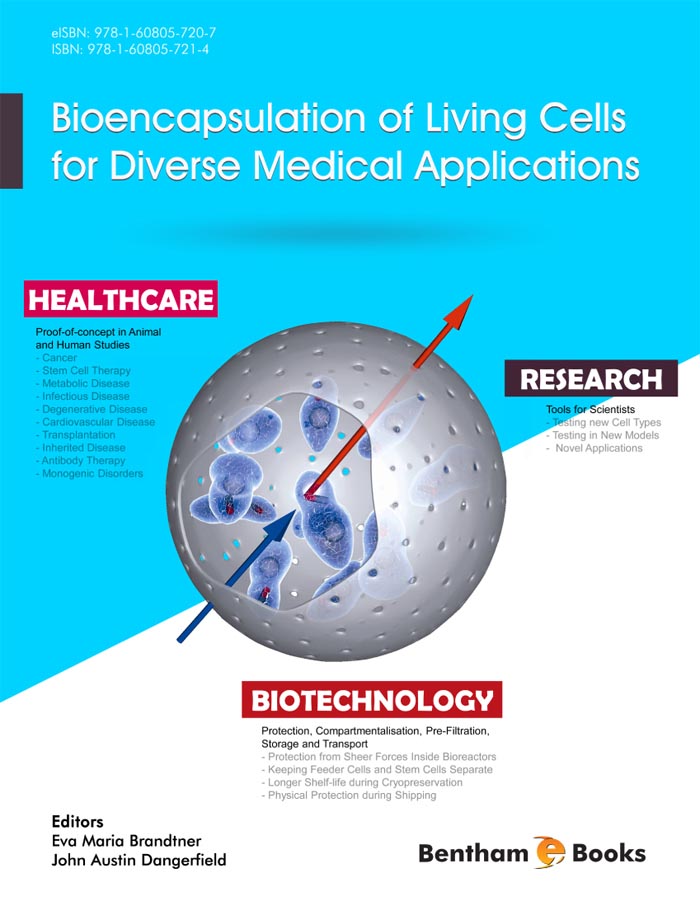
Bioencapsulation of Living Cells for Diverse Medical Applications
More LessBioencapsulation (or microencapsulation) of cells and their implantation into a body of immunoprotected cells allows researchers to revive a missing or defective function in the cells. Microencapsulated cells have reached the clinic where they have been shown to be safe and efficacious in numerous clinical trials. Cell types that have been encapsulated for therapeutic purposes include hybridomas, islet cells, "platform" cell lines e.g. HEK293 and CHO cells as well as an increasing focus on the encapsulation of stem cells. This e-book explains the different methods used for achieving cell bioencapsulation based on different polymers e.g. alginate, cellulose sulphate and agarose. Other chapters in this book subsequently describe the use of cell encapsulation in cancer therapy to improve on existing chemotherapies by reducing doses and thus side effects while increasing efficacy for long term in vivo production of (i) tumoricidal or virus neutralising antibodies, (ii) insulin to achieve a self regulating treatment for diabetes and (iii) neuron nurturing factors to treat CNS diseases such as epilepsy, disorders like Parkinson's disease, Alzheimer, Amyotrophic lateral sclerosis, Huntington's disease and pathologies caused by trauma and/or ischemic processes. The book also includes a chapter reviewing the genetic engineering of cells to allow controlled production of biotherapeutics from encapsulated cells.
This is a unique and timely book which brings together contributions from some of the leading researchers in the field of cell encapsulation. Interested readers are provided an overview of the exciting developments and clinical experiences of researchers with cell bioencapsulation.
-
-
-

Biological Control for Plant Protection: Recent Advances in Research and Sustainability
More LessWith pesticide overuse threatening ecosystems, food safety, and human health,Biological Control for Plant Protection: Recent Advances in Research and Sustainability addresses one of the most pressing challenges in modern agriculture, enhancing crop productivity while reducing reliance on chemical pesticides.
Integrating scientific advances with practical strategies to support integrated pest, weed, and disease management systems, the book brings together contributions from leading researchers and academicians providing an up-to-date compilation of topics ranging from isolation, characterization, and mass rearing of natural enemies to the field application of botanicals and biological methods for biotic stress management in plants.
Key Features:
Explores cutting-edge biological control methods for pests, pathogens, and weeds.
Highlights environmentally sustainable alternatives to chemical pesticides.
Covers natural enemies, botanicals, and biofertilizers as components of integrated management.
Presents case studies and research from diverse agroecosystems, including organic farming.
Provides a comprehensive reference for researchers, practitioners, and policymakers.
-
-
-

Biological Systems: Complexity and Artificial Life
More LessThe exponential increase in computing power in the late twentieth century has allowed researchers to gather, process and analyze large volumes of information and construct rational paradigms of systems. Life sciences are no exception and computing advances have led to the birth of fields such as functional genomics and bioinformatics and facilitated an expansion of our understanding of biological systems. Biological Systems: Complexity and Artificial Life is an essential primer on systems biology for biologists and researchers having a multidisciplinary background. The volume covers a variety of theoretical models explaining biological processes. The book starts with an introductory chapter on the classical molecular biology paradigm and progresses towards concepts related to enzyme kinetics, non equilibrium dynamics, cellular thermodynamics, molecular motion in cells and more. The book concludes with a philosophical note on the concept of the biological system.
-
-
-

Biological and Medical Significance of Chemical Elements
More LessExplore the fascinating interplay between chemical elements and biological life with Biological and Medical Significance of Chemical Elements. This comprehensive handbook delves into the pivotal role that various chemical elements from the periodic table play in the intricate web of life processes. Discover how these elements impact human health, influence drug development, and contribute to essential biological pathways.
Key Features:
- Provides information on the occurrence and classification of chemical elements in nature
- Explains the biological functions of elements from different main groups (including s-, p-, d- and f-block elements)
- Includes information about the biomedical significance of platinum metals, lanthanides, and actinides
- Includes a list of references for further reading This book serves as an indispensable resource for anyone interested in the medical biochemistry of chemical elements.
-
-
-

Biologically Active Natural Products from Asia and Africa: A Selection of Topics
More LessBoth Asia and Africa are home to many plants that can be used for the treatment of many diseases and their medicinal properties are gaining interest in western societies. Medicinal plants from Asia and Africa are used for their healing abilities and also have a symbolic meaning in communities.
The importance of traditional autochthonous plant remedies plays a crucial role in the health of millions of people of these two continents. Even today, traditional medicine represents the dominant medical system for millions of people showing a significant impact on health care practices. Therefore, traditional operators still represent a vital part of regional healthcare systems. For this reason, pharmaceutical industries consider traditional medicine as a source for the identification of bioactive compounds that can be used in the preparation of synthetic drugs.
Biologically Active Natural Products from Asia and Africa: A Selection of Topics guides the reader to information about new natural products from these regions and the different ways to use them to treat or alleviate many of the most common diseases. The volume presents nine topics covering a number of facets of natural product medicine including:
- pharmaceutical analysis of anti-diabetic herbal medicines from Bangladesh and local retailers
- caffeine intake and the risk of female infertility
- pharmaceutical analysis of Urena sinuata (bur mallow)
- anti-CHIKV activities of diterpenes and their derivatives
- anti-inflammatory nanogel for the treatment of psoriasis
- antlithiatic properties of Moroccan medicinal plants
- ethnobotanic, phytochemical and biological activities of Aristolochia longa L. (pipevine)
- wound healing potential of combined extracts of stem bark and leaves of sphenocentrum jollyanum (an African shrub)
This is a handy reference for specialists and R&D experts in pharmaceutical chemistry who wish to be informed about current knowledge on developing natural remedies in Asia and Africa
-
-
-

Biology for Students
More LessBiology for Students is an essential guide for understanding the core principles of biology, from fundamental cellular processes to advanced biological research. This book is structured to help students grasp key biological concepts while equipping them with the skills needed for scientific research and academic writing.
Key Features:
- Core Biological Concepts: Covers cell biology, genetics, evolution, and ecology, providing a strong foundation in life sciences.
- Advances in Biological Research: Explores modern topics such as cancer systems biology and the impact of information systems in research.
- Scholarly Writing & Publishing: Offers practical guidance on research techniques, manuscript writing, and publishing strategies.
- Student-Friendly Features: Includes vocabulary lists, comprehension exercises, reference materials, and appendices for deeper learning.
-