
Full text loading...



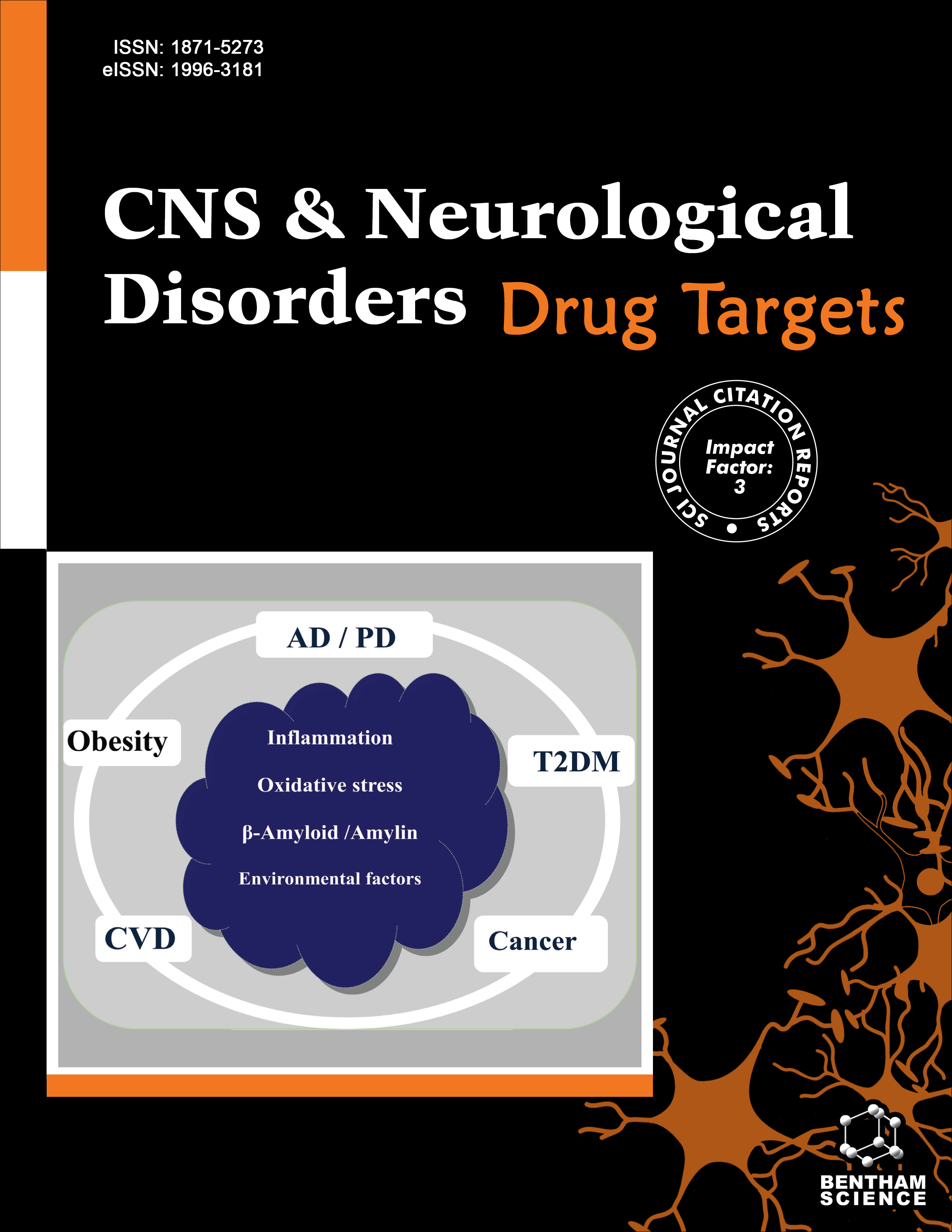
Over the past 20 years, advances in the field of pathogenesis have inspired researchers to look into novel pharmacological therapeutics that are more focused on the pathophysiological events of the disease (AD). This review article discussed the prior use of statins for the prevention of Alzheimer's disease, which can help prevent the disease. Other drugs, such as memantine and donepezil, are available, but they cannot prevent the onset of AD in middle age. Based on available clinical data, the valuable effects of statins are mediated by alteration of β-amyloid (Aβ) and tau metabolism, genetic and lifestyle risk factors, along with other clinical aspects of AD. These findings suggested that using statins in middle age may help to prevent Alzheimer's disease by modifying genetic and non-genetic risk factors in later stages of life. In the present review, we elaborated upon the modification of risk factors and amyloid metabolism in the development and progression of AD and their modulation through atorvastatin. Future directions in the research and treatment of Alzheimer's disease patients include the use of antisense oligonucleotides (ASO) to change target expression, and researchers discovered decreased markers of oxidative stress in tissues affected by tau pathology in response to RNA interference treatment.