
Full text loading...



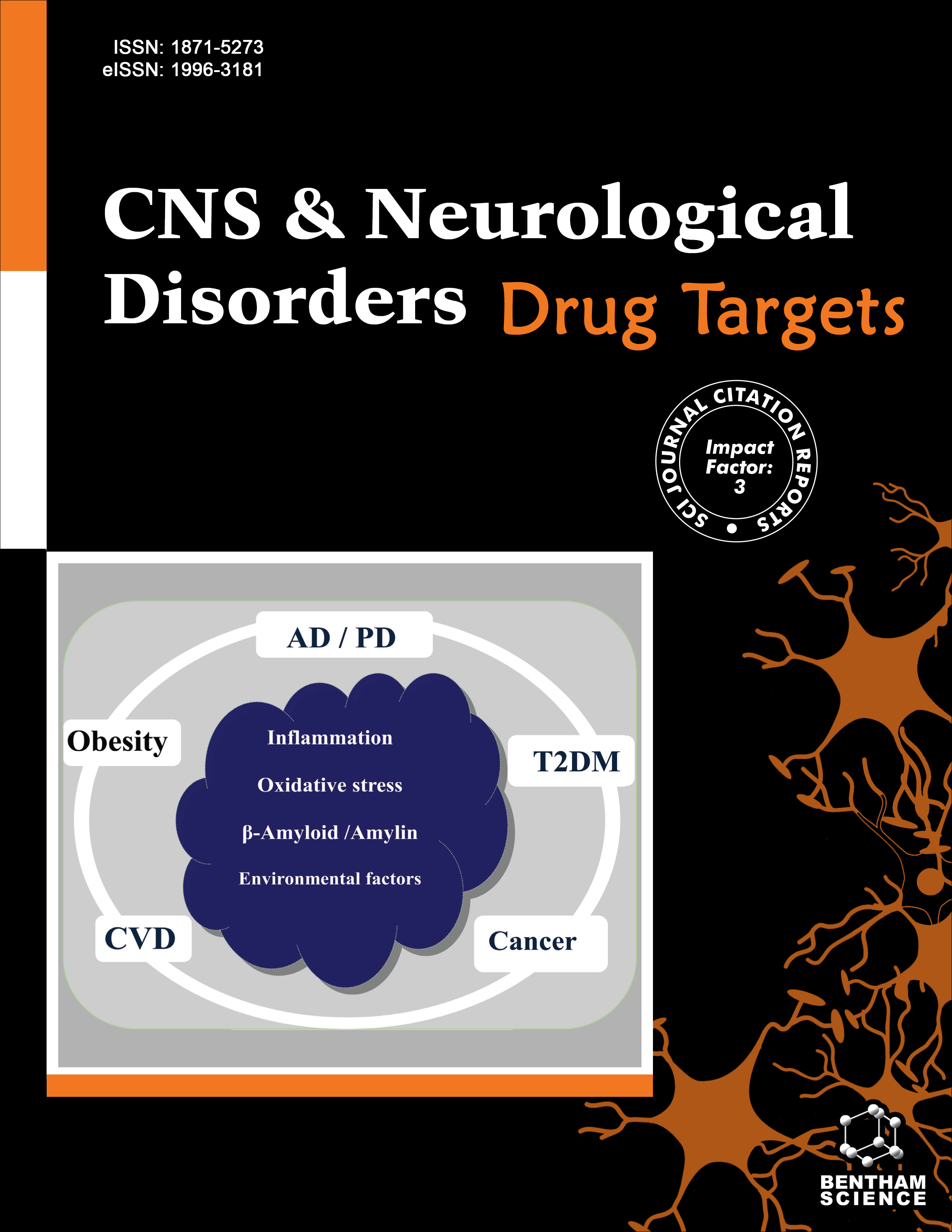
AD is a progressive and irreversible neurodegenerative disease and the most common cause of dementia in the elderly population. eta- amyloid cascade formation along with several cytoskeleton abnormalities succeeding to the hyperphosphorylation of microtubule-associated tau protein in neurons leads to the elicitation of several neurotoxic incidents. As an outcome of these phenomena, steady growth of dementia in aged population is becoming ubiquitous in both developed and developing countries. Thus, the key aspiration is to endow with stable daily life functionality to the person suffering from dementia and to cut down or slower the symptoms of disease leading to disruptive behavior. In sight of this, the proteins amyloid-beta, BACE-1, RAGE and AChE are being aimed for the treatment of AD successfully. Currently, there are several medicines for the treatment of AD under survey like Galangin, Cymserine, Tolserine, Bisnorcymserine and Huperzine A. The article emphasizes clinical and neurobiological aspects of AD. The purpose of this review article is to provide a brief introduction of AD along with the related concept of beta-secretase, beta amyloid and neurotransmitter in the progression of disease. In the present review, we summarize the available evidence on the new therapeutic approaches that target amyloid and neurotransmitter in the AD.