


Natural Ingredients in Pharmaceutical Technology for Cosmetics
- Authors: Mo. Shahanawaz1, Kuldeep Singh2, Suvaiv3, Shom Prakash Kushwaha4, Arun Kumar5, Saud Ahmad6
-
View Affiliations Hide Affiliations1 Faculty of Pharmacy, Integral University, Dasauli, Lucknow, Uttar Pradesh, India 2 Faculty of Pharmacy, Integral University, Dasauli, Lucknow, Uttar Pradesh, India 3 Faculty of Pharmacy, Integral University, Dasauli, Lucknow, Uttar Pradesh, India 4 Faculty of Pharmacy, Integral University, Dasauli, Lucknow, Uttar Pradesh, India 5 Faculty of Pharmacy, Integral University, Dasauli, Lucknow, Uttar Pradesh, India 6 Faculty of Pharmacy, Integral University, Dasauli, Lucknow, Uttar Pradesh, India
- Source: The Impact of Pharma Technology on Cosmetics: Advancements and Innovations , pp 128-163
- Publication Date: October 2025
- Language: English


Natural Ingredients in Pharmaceutical Technology for Cosmetics, Page 1 of 1
< Previous page | Next page > /docserver/preview/fulltext/9798898810726/chapter-6-1.gif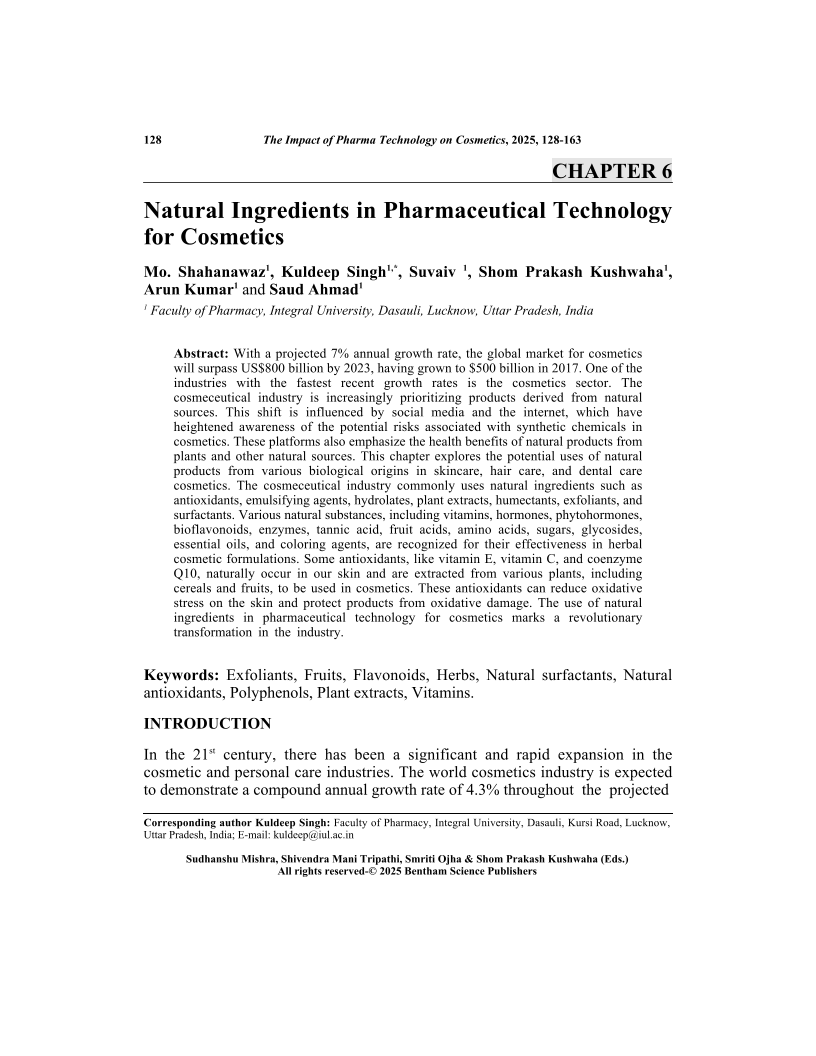
With a projected 7% annual growth rate, the global market for cosmetics will surpass US$800 billion by 2023, having grown to $500 billion in 2017. One of the industries with the fastest recent growth rates is the cosmetics sector. The cosmeceutical industry is increasingly prioritizing products derived from natural sources. This shift is influenced by social media and the internet, which have heightened awareness of the potential risks associated with synthetic chemicals in cosmetics. These platforms also emphasize the health benefits of natural products from plants and other natural sources. This chapter explores the potential uses of natural products from various biological origins in skincare, hair care, and dental care cosmetics. The cosmeceutical industry commonly uses natural ingredients such as antioxidants, emulsifying agents, hydrolates, plant extracts, humectants, exfoliants, and surfactants. Various natural substances, including vitamins, hormones, phytohormones, bioflavonoids, enzymes, tannic acid, fruit acids, amino acids, sugars, glycosides, essential oils, and coloring agents, are recognized for their effectiveness in herbal cosmetic formulations. Some antioxidants, like vitamin E, vitamin C, and coenzyme Q10, naturally occur in our skin and are extracted from various plants, including cereals and fruits, to be used in cosmetics. These antioxidants can reduce oxidative stress on the skin and protect products from oxidative damage. The use of natural ingredients in pharmaceutical technology for cosmetics marks a revolutionary transformation in the industry.
-
From This Site
/content/books/9798898810726.chapter-6dcterms_subject,pub_keyword-contentType:Journal -contentType:Figure -contentType:Table -contentType:SupplementaryData105
