


The Theoretical Perspective of the Adoption of Fintech in the Financial Services Industry

- Authors: Jonas Yomboi1, Abdul-Razak Abubakari2, Mohammed Majeed3, Nurideen Alhassan4
-
View Affiliations Hide Affiliations1 Accountancy Department, Valley View University, Oyibi Ghana 2 Entrepreneurship and Enterprise Development, Tamale Technical University, Tamale, Ghana 3 Marketing Department, Tamale Technical University, Tamale, Ghana 4 Accountancy Department, Tamale Technical University, Tamale, Ghana
- Source: Navigating the Fintech Frontier Transformative Innovations and Risk Factors in Financial Services , pp 10-20
- Publication Date: April 2025
- Language: English


The Theoretical Perspective of the Adoption of Fintech in the Financial Services Industry, Page 1 of 1
< Previous page | Next page > /docserver/preview/fulltext/9789815324907/chapter-2-1.gif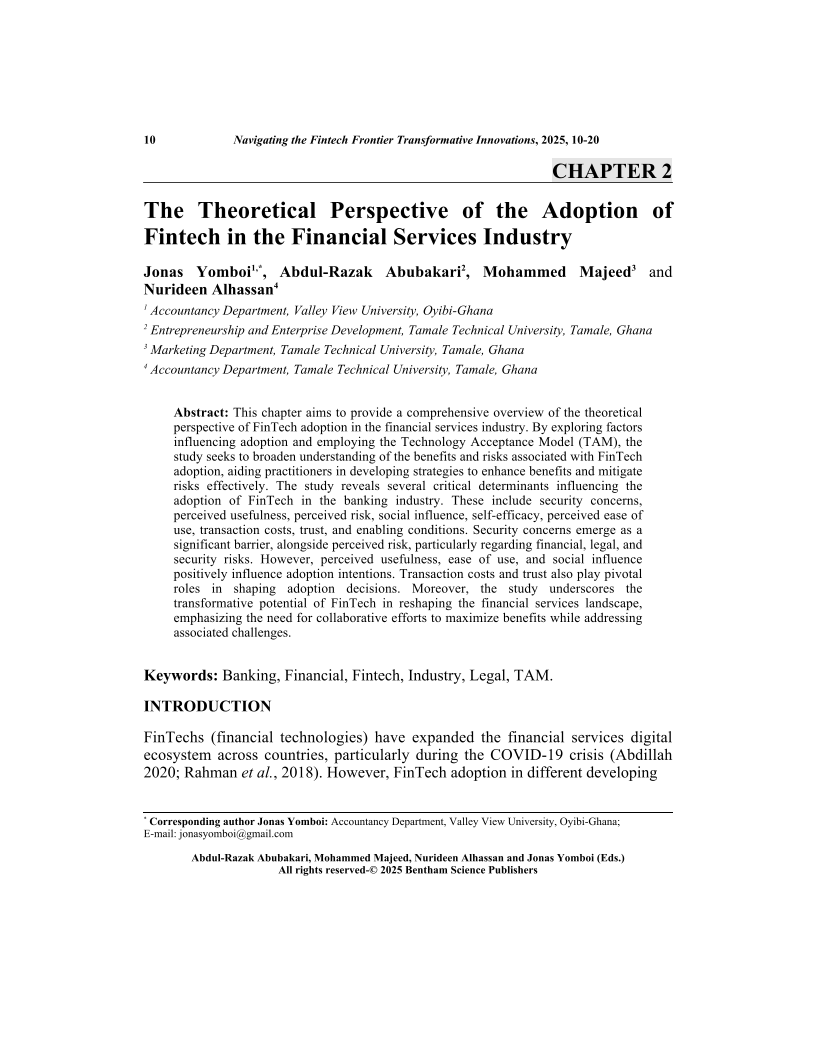
This chapter aims to provide a comprehensive overview of the theoretical perspective of FinTech adoption in the financial services industry. By exploring factors influencing adoption and employing the Technology Acceptance Model (TAM), the study seeks to broaden understanding of the benefits and risks associated with FinTech adoption, aiding practitioners in developing strategies to enhance benefits and mitigate risks effectively. The study reveals several critical determinants influencing the adoption of FinTech in the banking industry. These include security concerns, perceived usefulness, perceived risk, social influence, self-efficacy, perceived ease of use, transaction costs, trust, and enabling conditions. Security concerns emerge as a significant barrier, alongside perceived risk, particularly regarding financial, legal, and security risks. However, perceived usefulness, ease of use, and social influence positively influence adoption intentions. Transaction costs and trust also play pivotal roles in shaping adoption decisions. Moreover, the study underscores the transformative potential of FinTech in reshaping the financial services landscape, emphasizing the need for collaborative efforts to maximize benefits while addressing associated challenges.
-
From This Site
/content/books/9789815324907.chapter-2dcterms_subject,pub_keyword-contentType:Journal -contentType:Figure -contentType:Table -contentType:SupplementaryData105
