


Related Anatomy of Gastrointestinal, Endocrine, Urinary, Nervous System and Morphometric Evaluation in Metabolic Syndrome

- By Hurriyet Cetinok1
-
View Affiliations Hide Affiliations1 Faculty of Medicine, Istanbul Atlas University, Istanbul, Turkey
- Source: Metabolic Syndrome: A Comprehensive Update with New Insights , pp 84-116
- Publication Date: January 2025
- Language: English


Related Anatomy of Gastrointestinal, Endocrine, Urinary, Nervous System and Morphometric Evaluation in Metabolic Syndrome, Page 1 of 1
< Previous page | Next page > /docserver/preview/fulltext/9789815322132/chapter-5-1.gif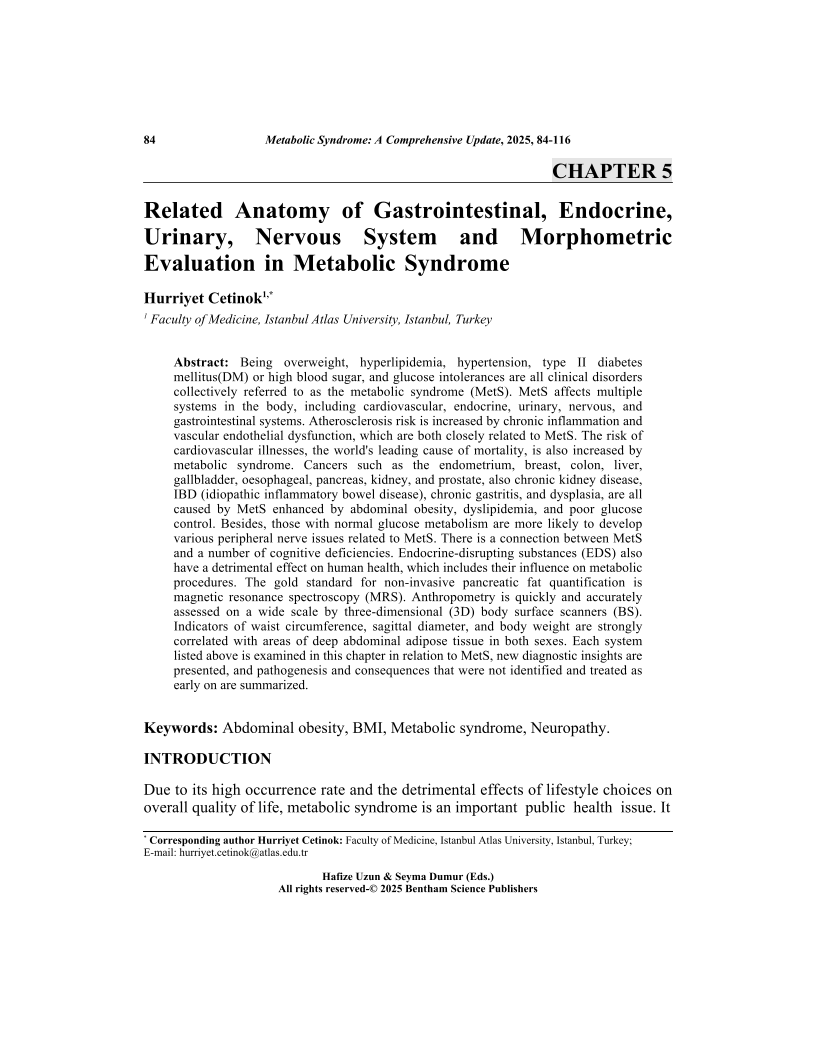
Being overweight, hyperlipidemia, hypertension, type II diabetes mellitus(DM) or high blood sugar, and glucose intolerances are all clinical disorders collectively referred to as the metabolic syndrome (MetS). MetS affects multiple systems in the body, including cardiovascular, endocrine, urinary, nervous, and gastrointestinal systems. Atherosclerosis risk is increased by chronic inflammation and vascular endothelial dysfunction, which are both closely related to MetS. The risk of cardiovascular illnesses, the world's leading cause of mortality, is also increased by metabolic syndrome. Cancers such as the endometrium, breast, colon, liver, gallbladder, oesophageal, pancreas, kidney, and prostate, also chronic kidney disease, IBD (idiopathic inflammatory bowel disease), chronic gastritis, and dysplasia, are all caused by MetS enhanced by abdominal obesity, dyslipidemia, and poor glucose control. Besides, those with normal glucose metabolism are more likely to develop various peripheral nerve issues related to MetS. There is a connection between MetS and a number of cognitive deficiencies. Endocrine-disrupting substances (EDS) also have a detrimental effect on human health, which includes their influence on metabolic procedures. The gold standard for non-invasive pancreatic fat quantification is magnetic resonance spectroscopy (MRS). Anthropometry is quickly and accurately assessed on a wide scale by three-dimensional (3D) body surface scanners (BS). Indicators of waist circumference, sagittal diameter, and body weight are strongly correlated with areas of deep abdominal adipose tissue in both sexes. Each system listed above is examined in this chapter in relation to MetS, new diagnostic insights are presented, and pathogenesis and consequences that were not identified and treated as early on are summarized.
-
From This Site
/content/books/9789815322132.chapter-5dcterms_subject,pub_keyword-contentType:Journal -contentType:Figure -contentType:Table -contentType:SupplementaryData105
