


Otorhinolaryngology and Metabolic Syndrome
- By Mohamed Salah Rashwan1
-
View Affiliations Hide Affiliations1 Department of Otolaryngology, Faculty of Medicine, Suez Canal University, Ismailia, Egypt
- Source: Metabolic Syndrome: A Comprehensive Update with New Insights , pp 287-294
- Publication Date: January 2025
- Language: English


Otorhinolaryngology and Metabolic Syndrome, Page 1 of 1
< Previous page | Next page > /docserver/preview/fulltext/9789815322132/chapter-16-1.gif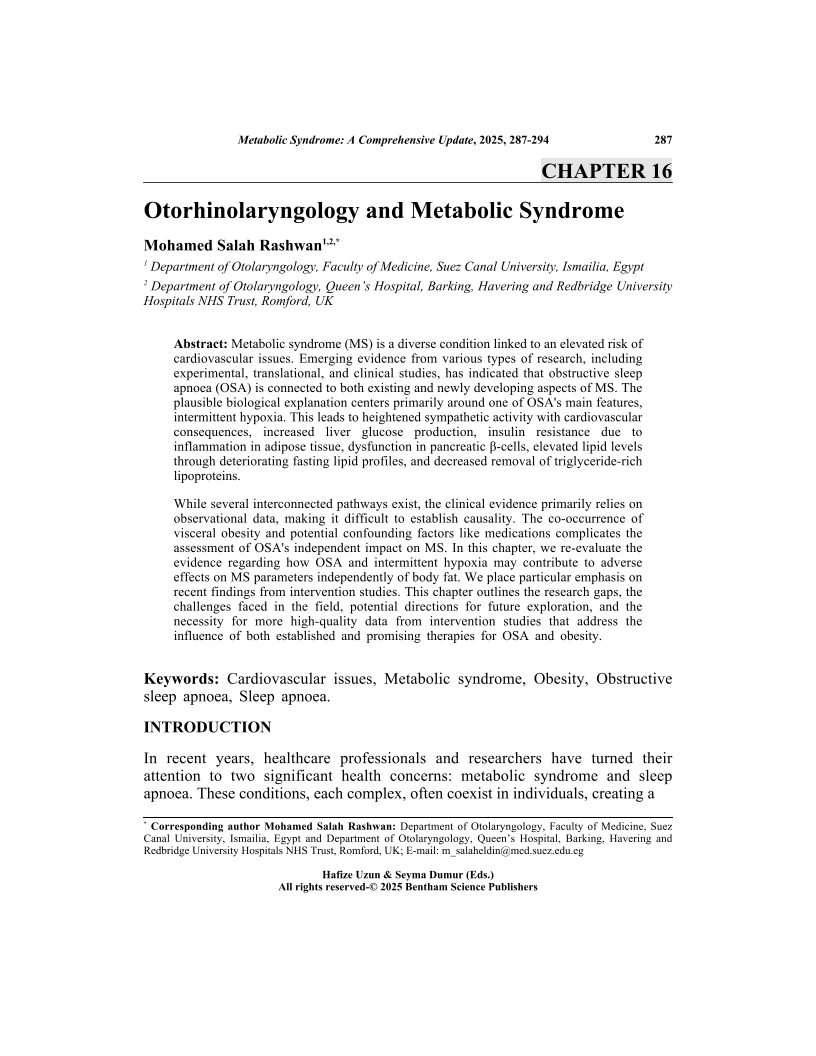
Metabolic syndrome (MS) is a diverse condition linked to an elevated risk of cardiovascular issues. Emerging evidence from various types of research, including experimental, translational, and clinical studies, has indicated that obstructive sleep apnoea (OSA) is connected to both existing and newly developing aspects of MS. The plausible biological explanation centers primarily around one of OSA's main features, intermittent hypoxia. This leads to heightened sympathetic activity with cardiovascular consequences, increased liver glucose production, insulin resistance due to inflammation in adipose tissue, dysfunction in pancreatic β-cells, elevated lipid levels through deteriorating fasting lipid profiles, and decreased removal of triglyceride-rich lipoproteins. While several interconnected pathways exist, the clinical evidence primarily relies on observational data, making it difficult to establish causality. The co-occurrence of visceral obesity and potential confounding factors like medications complicates the assessment of OSA's independent impact on MS. In this chapter, we re-evaluate the evidence regarding how OSA and intermittent hypoxia may contribute to adverse effects on MS parameters independently of body fat. We place particular emphasis on recent findings from intervention studies. This chapter outlines the research gaps, the challenges faced in the field, potential directions for future exploration, and the necessity for more high-quality data from intervention studies that address the influence of both established and promising therapies for OSA and obesity.
-
From This Site
/content/books/9789815322132.chapter-16dcterms_subject,pub_keyword-contentType:Journal -contentType:Figure -contentType:Table -contentType:SupplementaryData105
