


Chronic Obstructive Pulmonary Disease and Metabolic Syndrome
- By Pelin Uysal1
-
View Affiliations Hide Affiliations1 Department of Pulmonary Medicine, Faculty of Medicine, Istanbul Atlas University, Istanbul, Turkey
- Source: Metabolic Syndrome: A Comprehensive Update with New Insights , pp 251-268
- Publication Date: January 2025
- Language: English


Chronic Obstructive Pulmonary Disease and Metabolic Syndrome, Page 1 of 1
< Previous page | Next page > /docserver/preview/fulltext/9789815322132/chapter-14-1.gif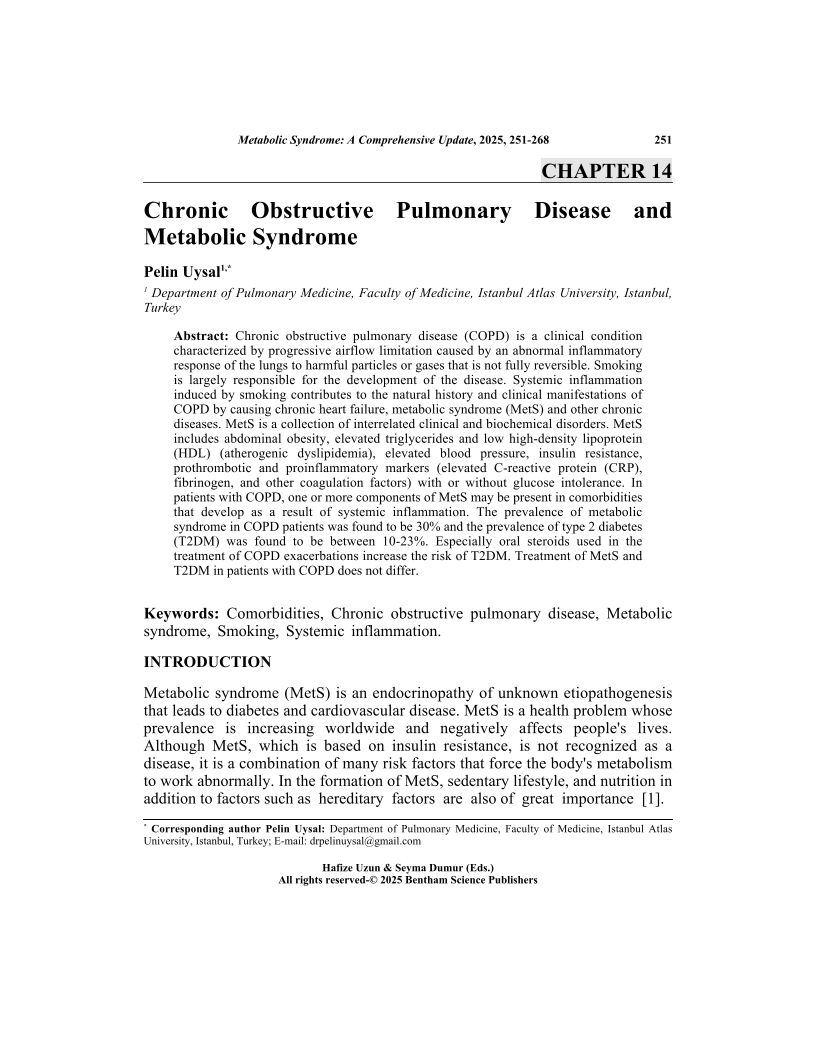
Chronic obstructive pulmonary disease (COPD) is a clinical condition characterized by progressive airflow limitation caused by an abnormal inflammatory response of the lungs to harmful particles or gases that is not fully reversible. Smoking is largely responsible for the development of the disease. Systemic inflammation induced by smoking contributes to the natural history and clinical manifestations of COPD by causing chronic heart failure, metabolic syndrome (MetS) and other chronic diseases. MetS is a collection of interrelated clinical and biochemical disorders. MetS includes abdominal obesity, elevated triglycerides and low high-density lipoprotein (HDL) (atherogenic dyslipidemia), elevated blood pressure, insulin resistance, prothrombotic and proinflammatory markers (elevated C-reactive protein (CRP), fibrinogen, and other coagulation factors) with or without glucose intolerance. In patients with COPD, one or more components of MetS may be present in comorbidities that develop as a result of systemic inflammation. The prevalence of metabolic syndrome in COPD patients was found to be 30% and the prevalence of type 2 diabetes (T2DM) was found to be between 10-23%. Especially oral steroids used in the treatment of COPD exacerbations increase the risk of T2DM. Treatment of MetS and T2DM in patients with COPD does not differ.
-
From This Site
/content/books/9789815322132.chapter-14dcterms_subject,pub_keyword-contentType:Journal -contentType:Figure -contentType:Table -contentType:SupplementaryData105
