


The Interplay between Metabolic Syndrome and Behavior
- Authors: Shimaa Mohammad Yousof1, Asmaa Seddek2
-
View Affiliations Hide Affiliations1 Department of Medical Physiology, Faculty of Medicine in Rabigh, King Abdulaziz University, Rabigh, Saudi Arabia 2 Department of Medical Physiology, Faculty of Medicine, Suez Canal University, Ismailia, Egypt
- Source: Metabolic Syndrome: A Comprehensive Update with New Insights , pp 180-206
- Publication Date: January 2025
- Language: English


The Interplay between Metabolic Syndrome and Behavior, Page 1 of 1
< Previous page | Next page > /docserver/preview/fulltext/9789815322132/chapter-10-1.gif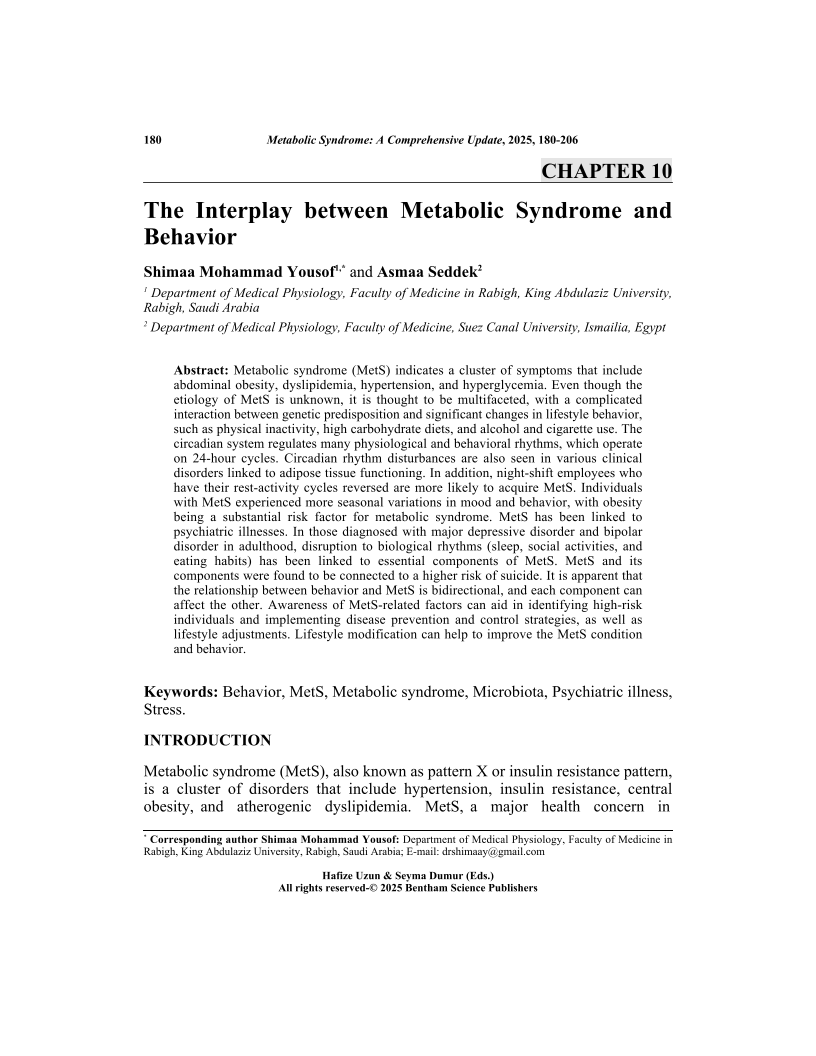
Metabolic syndrome (MetS) indicates a cluster of symptoms that include abdominal obesity, dyslipidemia, hypertension, and hyperglycemia. Even though the etiology of MetS is unknown, it is thought to be multifaceted, with a complicated interaction between genetic predisposition and significant changes in lifestyle behavior, such as physical inactivity, high carbohydrate diets, and alcohol and cigarette use. The circadian system regulates many physiological and behavioral rhythms, which operate on 24-hour cycles. Circadian rhythm disturbances are also seen in various clinical disorders linked to adipose tissue functioning. In addition, night-shift employees who have their rest-activity cycles reversed are more likely to acquire MetS. Individuals with MetS experienced more seasonal variations in mood and behavior, with obesity being a substantial risk factor for metabolic syndrome. MetS has been linked to psychiatric illnesses. In those diagnosed with major depressive disorder and bipolar disorder in adulthood, disruption to biological rhythms (sleep, social activities, and eating habits) has been linked to essential components of MetS. MetS and its components were found to be connected to a higher risk of suicide. It is apparent that the relationship between behavior and MetS is bidirectional, and each component can affect the other. Awareness of MetS-related factors can aid in identifying high-risk individuals and implementing disease prevention and control strategies, as well as lifestyle adjustments. Lifestyle modification can help to improve the MetS condition and behavior.
-
From This Site
/content/books/9789815322132.chapter-10dcterms_subject,pub_keyword-contentType:Journal -contentType:Figure -contentType:Table -contentType:SupplementaryData105
