


Vitamin D and Pregnancy

- Authors: Shaikha Alnaqbi1, Reem El Asmar2, Russul AlQutub3, Alyaa Masaad4, Noor Abu Dheir5, Salma Abu Qiyas6, Dimitrios Papandreou7
-
View Affiliations Hide Affiliations1 Department of Clinical Nutrition and Dietetics, College of Health Sciences, University of Sharjah, Sharjah, UAE 2 Sharjah 3 Department of Clinical Nutrition and Dietetics, College of Health Sciences, University of Sharjah, Sharjah, UAE 4 Department of Clinical Nutrition and Dietetics, College of Health Sciences, University of Sharjah, Sharjah, UAE 5 Department of Clinical Nutrition and Dietetics, College of Health Sciences, University of Sharjah, Sharjah, UAE 6 Department of Clinical Nutrition and Dietetics, College of Health Sciences, University of Sharjah, Sharjah, UAE 7 Department of Clinical Nutrition and Dietetics, College of Health Sciences, University of Sharjah, Sharjah, UAE
- Source: Vitamin D-A Novel Therapy for Chronic Diseases? , pp 109-119
- Publication Date: October 2024
- Language: English


Vitamin D and Pregnancy, Page 1 of 1
< Previous page | Next page > /docserver/preview/fulltext/9789815305333/chapter-8-1.gif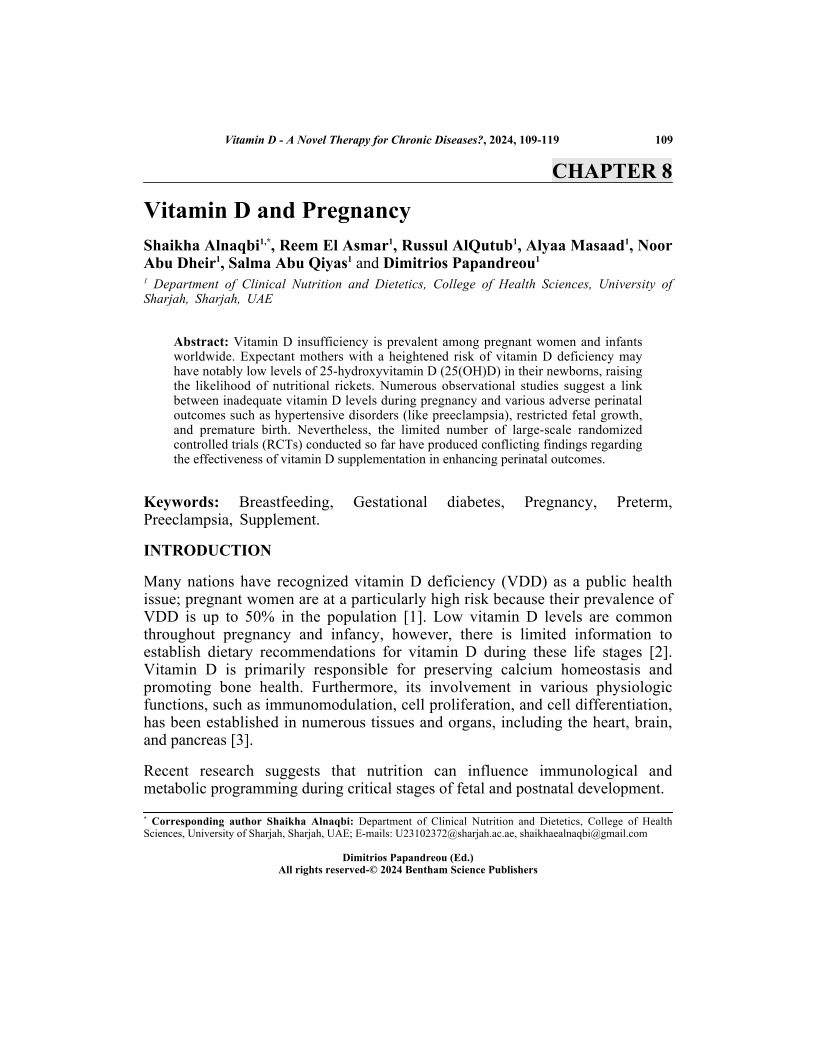
Vitamin D insufficiency is prevalent among pregnant women and infants worldwide. Expectant mothers with a heightened risk of vitamin D deficiency may have notably low levels of 25-hydroxyvitamin D (25(OH)D) in their newborns, raising the likelihood of nutritional rickets. Numerous observational studies suggest a link between inadequate vitamin D levels during pregnancy and various adverse perinatal outcomes such as hypertensive disorders (like preeclampsia), restricted fetal growth, and premature birth. Nevertheless, the limited number of large-scale randomized controlled trials (RCTs) conducted so far have produced conflicting findings regarding the effectiveness of vitamin D supplementation in enhancing perinatal outcomes.
-
From This Site
/content/books/9789815305333.chapter-8dcterms_subject,pub_keyword-contentType:Journal -contentType:Figure -contentType:Table -contentType:SupplementaryData105
