


Vitamin D and Cardiovascular Diseases

- Authors: May Ali1, Alyaa Masaad2, Dimitrios Papandreou3
-
View Affiliations Hide Affiliations1 Department of Clinical Nutrition and Dietetics, College of Health Sciences, University of Sharjah, Sharjah, UAE 2 Department of Clinical Nutrition and Dietetics, College of Health Sciences, University of Sharjah, Sharjah, UAE 3 Department of Clinical Nutrition and Dietetics, College of Health Sciences, University of Sharjah, Sharjah, UAE
- Source: Vitamin D-A Novel Therapy for Chronic Diseases? , pp 60-69
- Publication Date: October 2024
- Language: English


Vitamin D and Cardiovascular Diseases, Page 1 of 1
< Previous page | Next page > /docserver/preview/fulltext/9789815305333/chapter-4-1.gif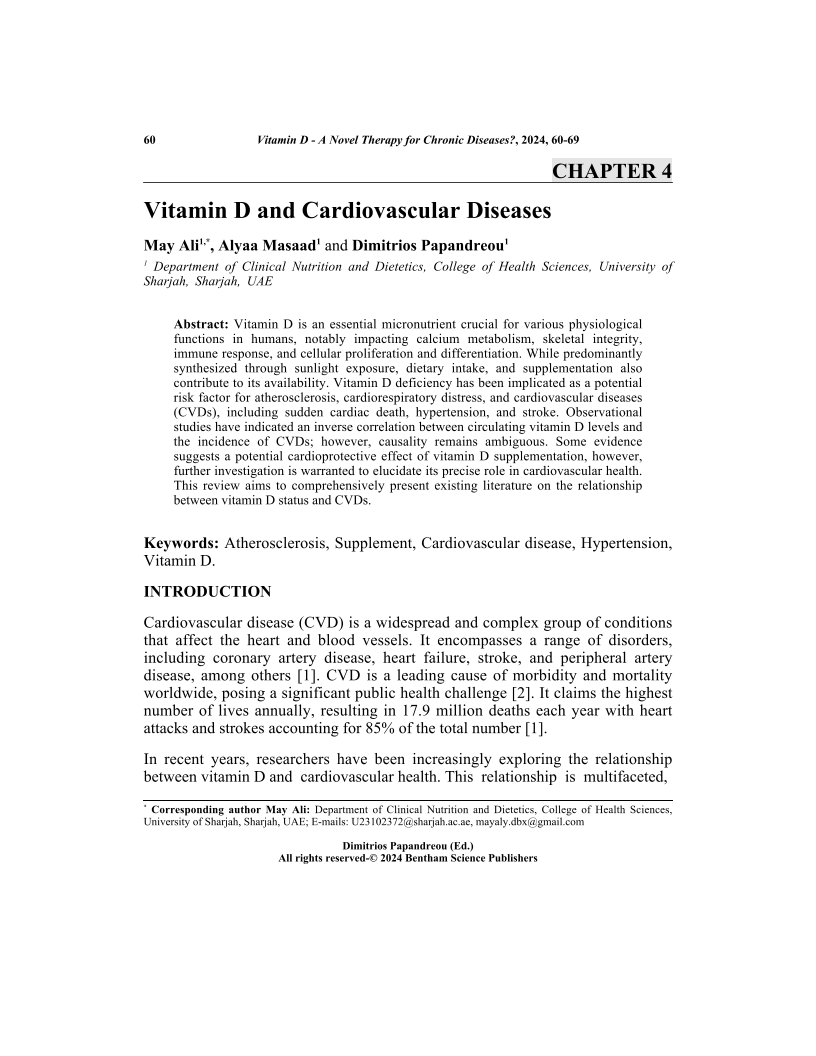
Vitamin D is an essential micronutrient crucial for various physiological functions in humans, notably impacting calcium metabolism, skeletal integrity, immune response, and cellular proliferation and differentiation. While predominantly synthesized through sunlight exposure, dietary intake, and supplementation also contribute to its availability. Vitamin D deficiency has been implicated as a potential risk factor for atherosclerosis, cardiorespiratory distress, and cardiovascular diseases (CVDs), including sudden cardiac death, hypertension, and stroke. Observational studies have indicated an inverse correlation between circulating vitamin D levels and the incidence of CVDs; however, causality remains ambiguous. Some evidence suggests a potential cardioprotective effect of vitamin D supplementation, however, further investigation is warranted to elucidate its precise role in cardiovascular health. This review aims to comprehensively present existing literature on the relationship between vitamin D status and CVDs.
-
From This Site
/content/books/9789815305333.chapter-4dcterms_subject,pub_keyword-contentType:Journal -contentType:Figure -contentType:Table -contentType:SupplementaryData105
