


Vitamin D, Immunity, and Gut Health

- Authors: Russul AlQutub1, Reem El Asmar2, Dimitrios Papandreou3
-
View Affiliations Hide Affiliations1 Department of Clinical Nutrition and Dietetics, College of Health Sciences, University of Sharjah, Sharjah, UAE 2 Department of Clinical Nutrition and Dietetics, College of Health Sciences, University of Sharjah, Sharjah, UAE 3 Department of Clinical Nutrition and Dietetics, College of Health Sciences, University of Sharjah, Sharjah, UAE
- Source: Vitamin D-A Novel Therapy for Chronic Diseases? , pp 16-32
- Publication Date: October 2024
- Language: English


Vitamin D, Immunity, and Gut Health, Page 1 of 1
< Previous page | Next page > /docserver/preview/fulltext/9789815305333/chapter-2-1.gif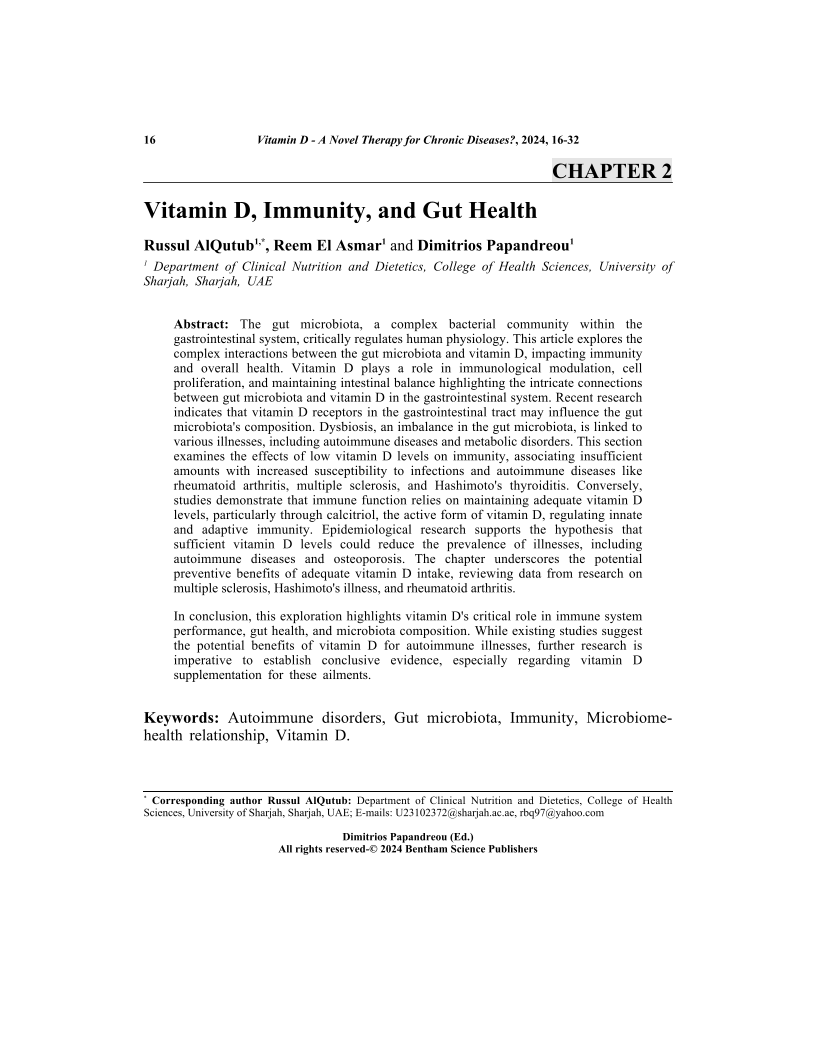
The gut microbiota, a complex bacterial community within the gastrointestinal system, critically regulates human physiology. This article explores the complex interactions between the gut microbiota and vitamin D, impacting immunity and overall health. Vitamin D plays a role in immunological modulation, cell proliferation, and maintaining intestinal balance highlighting the intricate connections between gut microbiota and vitamin D in the gastrointestinal system. Recent research indicates that vitamin D receptors in the gastrointestinal tract may influence the gut microbiota's composition. Dysbiosis, an imbalance in the gut microbiota, is linked to various illnesses, including autoimmune diseases and metabolic disorders. This section examines the effects of low vitamin D levels on immunity, associating insufficient amounts with increased susceptibility to infections and autoimmune diseases like rheumatoid arthritis, multiple sclerosis, and Hashimoto's thyroiditis. Conversely, studies demonstrate that immune function relies on maintaining adequate vitamin D levels, particularly through calcitriol, the active form of vitamin D, regulating innate and adaptive immunity. Epidemiological research supports the hypothesis that sufficient vitamin D levels could reduce the prevalence of illnesses, including autoimmune diseases and osteoporosis. The chapter underscores the potential preventive benefits of adequate vitamin D intake, reviewing data from research on multiple sclerosis, Hashimoto's illness, and rheumatoid arthritis.In conclusion, this exploration highlights vitamin D's critical role in immune system performance, gut health, and microbiota composition. While existing studies suggest the potential benefits of vitamin D for autoimmune illnesses, further research is imperative to establish conclusive evidence, especially regarding vitamin D supplementation for these ailments
-
From This Site
/content/books/9789815305333.chapter-2dcterms_subject,pub_keyword-contentType:Journal -contentType:Figure -contentType:Table -contentType:SupplementaryData105
