


Polycystic Ovarian Disease Associated with Adolescent Lifestyles
- Authors: Sakshi Singh1, Vartika Nishad2, Parul Johri3, Ritesh Pandey4, Mala Trivedi5
-
View Affiliations Hide Affiliations1 Accord Super Specialty Hospital, Faridabad, Haryana, India 2 Department of Biotechnology, Dr. Ambedkar Institute of Technology for Handicapped, Kanpur, India 3 Department of Biotechnology, Dr. Ambedkar Institute of Technology for Handicapped, Kanpur, India 4 Amity Institute of Biotechnology, Amity University Uttar Pradesh, Lucknow Campus, Lucknow 226028, India 5 Amity Institute of Biotechnology, Amity University Uttar Pradesh, Lucknow Campus, Lucknow 226028, India
- Source: Lifestyle Diseases in Adolescents: Diseases, Disorders, and Preventive Measures , pp 133-145
- Publication Date: July 2024
- Language: English


Polycystic Ovarian Disease Associated with Adolescent Lifestyles, Page 1 of 1
< Previous page | Next page > /docserver/preview/fulltext/9789815274431/chapter-9-1.gif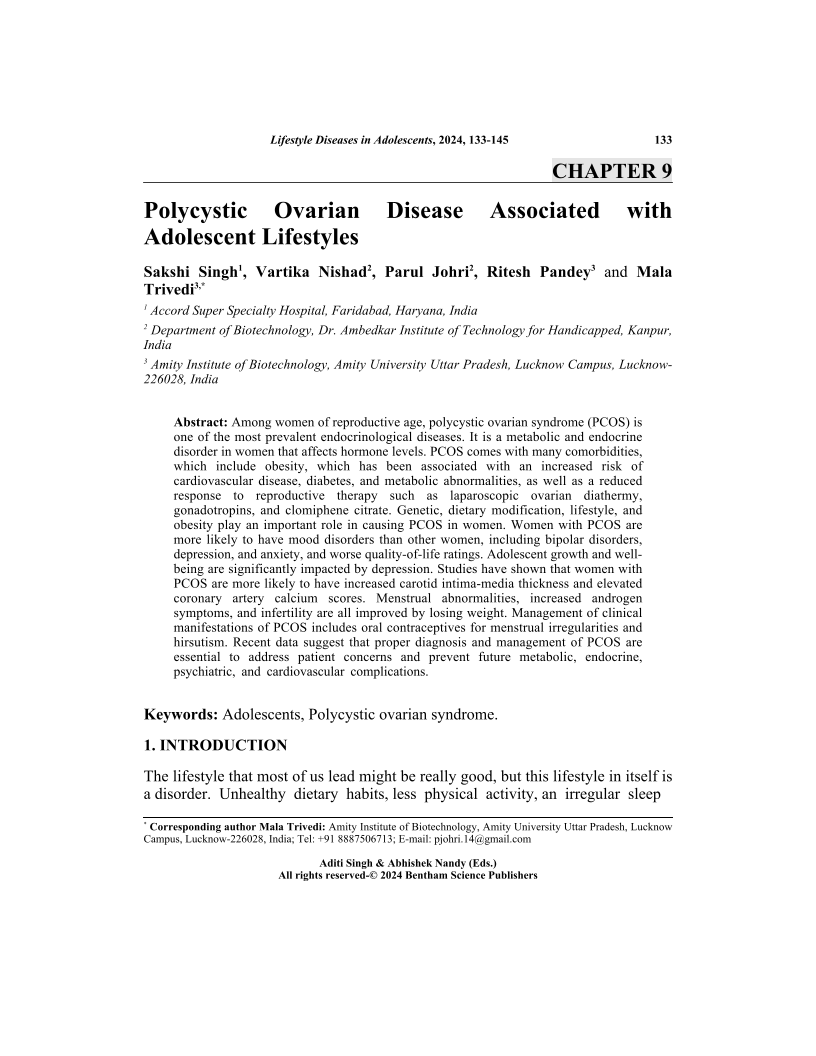
Among women of reproductive age, polycystic ovarian syndrome (PCOS) is one of the most prevalent endocrinological diseases. It is a metabolic and endocrine disorder in women that affects hormone levels. PCOS comes with many comorbidities, which include obesity, which has been associated with an increased risk of cardiovascular disease, diabetes, and metabolic abnormalities, as well as a reduced response to reproductive therapy such as laparoscopic ovarian diathermy, gonadotropins, and clomiphene citrate. Genetic, dietary modification, lifestyle, and obesity play an important role in causing PCOS in women. Women with PCOS are more likely to have mood disorders than other women, including bipolar disorders, depression, and anxiety, and worse quality-of-life ratings. Adolescent growth and wellbeing are significantly impacted by depression. Studies have shown that women with PCOS are more likely to have increased carotid intima-media thickness and elevated coronary artery calcium scores. Menstrual abnormalities, increased androgen symptoms, and infertility are all improved by losing weight. Management of clinical manifestations of PCOS includes oral contraceptives for menstrual irregularities and hirsutism. Recent data suggest that proper diagnosis and management of PCOS are essential to address patient concerns and prevent future metabolic, endocrine, psychiatric, and cardiovascular complications.
-
From This Site
/content/books/9789815274431.chapter-9dcterms_subject,pub_keyword-contentType:Journal -contentType:Figure -contentType:Table -contentType:SupplementaryData105
