


Obesity in Adolescents-Causes and Consequences

- Authors: Devendra Singh1, Sunil Kumar Verma2
-
View Affiliations Hide Affiliations1 Faculty of Biotechnology, Institute of Biological Sciences & Technology, Shri Ramswaroop Memorial University, Barabanki, Uttar Pradesh, Lucknow 225001, India 2 Faculty of Biotechnology, Institute of Biological Sciences & Technology, Shri Ramswaroop Memorial University, Barabanki, Uttar Pradesh, Lucknow-225001, India
- Source: Lifestyle Diseases in Adolescents: Addressing Physical, Emotional, and Behavioral Issues , pp 107-120
- Publication Date: July 2024
- Language: English


Obesity in Adolescents-Causes and Consequences, Page 1 of 1
< Previous page | Next page > /docserver/preview/fulltext/9789815274400/chapter-8-1.gif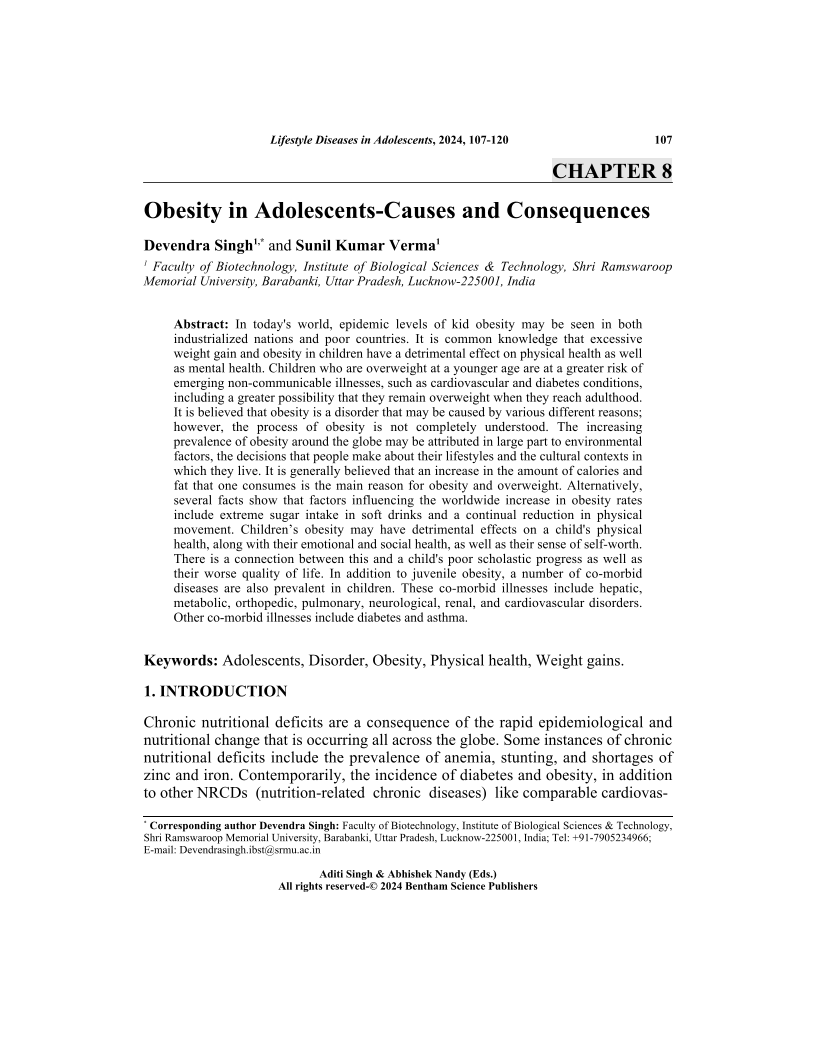
In today's world, epidemic levels of kid obesity may be seen in both industrialized nations and poor countries. It is common knowledge that excessive weight gain and obesity in children have a detrimental effect on physical health as well as mental health. Children who are overweight at a younger age are at a greater risk of emerging non-communicable illnesses, such as cardiovascular and diabetes conditions, including a greater possibility that they remain overweight when they reach adulthood. It is believed that obesity is a disorder that may be caused by various different reasons; however, the process of obesity is not completely understood. The increasing prevalence of obesity around the globe may be attributed in large part to environmental factors, the decisions that people make about their lifestyles and the cultural contexts in which they live. It is generally believed that an increase in the amount of calories and fat that one consumes is the main reason for obesity and overweight. Alternatively, several facts show that factors influencing the worldwide increase in obesity rates include extreme sugar intake in soft drinks and a continual reduction in physical movement. Children's obesity may have detrimental effects on a child's physical health, along with their emotional and social health, as well as their sense of self-worth. There is a connection between this and a child's poor scholastic progress as well as their worse quality of life. In addition to juvenile obesity, a number of co-morbid diseases are also prevalent in children. These co-morbid illnesses include hepatic, metabolic, orthopedic, pulmonary, neurological, renal, and cardiovascular disorders. Other co-morbid illnesses include diabetes and asthma.
-
From This Site
/content/books/9789815274400.chapter-8dcterms_subject,pub_keyword-contentType:Journal -contentType:Figure -contentType:Table -contentType:SupplementaryData105
