


Heracleum spp. (Apiaceae)
- Authors: Damla KIRCI1, Büşra CUMHUR2, Safa GÜMÜŞOK3
-
View Affiliations Hide Affiliations1 Department of Pharmacognosy, Faculty of Pharmacy, İzmir Katip Çelebi University, 35620 Çiğli, İzmir, Türkiye 2 Ankara University, Graduate School of Health Sciences, 06110 Dışkapı/Ankara, Türkiye 3 Department of Pharmaceutical Botany, Faculty of Pharmacy, Ankara University, Tandoğan, Ankara, Türkiye
- Source: Poison or Remedy? Case Reports on Selected Plants , pp 89-99
- Publication Date: November 2025
- Language: English


Heracleum spp. (Apiaceae), Page 1 of 1
< Previous page | Next page > /docserver/preview/fulltext/9789815274318/chapter-7-1.gif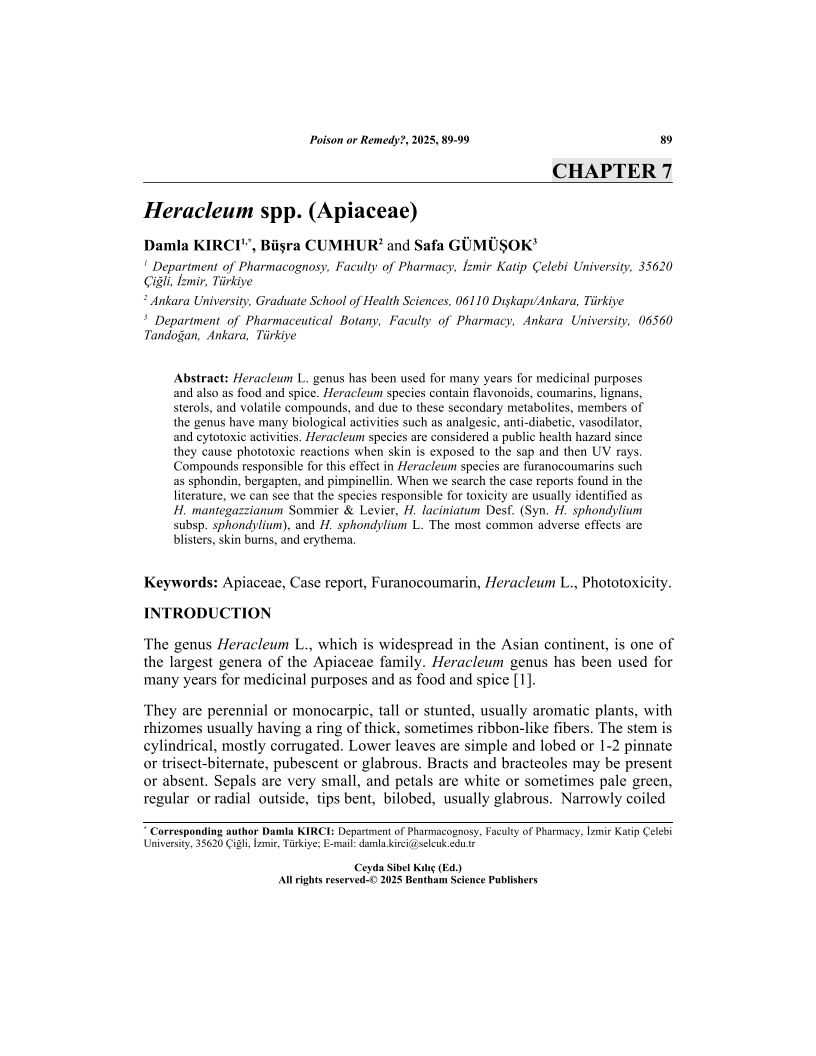
Heracleum L. genus has been used for many years for medicinal purposes and also as food and spice. Heracleum species contain flavonoids, coumarins, lignans, sterols, and volatile compounds, and due to these secondary metabolites, members of the genus have many biological activities such as analgesic, anti-diabetic, vasodilator, and cytotoxic activities. Heracleum species are considered a public health hazard since they cause phototoxic reactions when skin is exposed to the sap and then UV rays. Compounds responsible for this effect in Heracleum species are furanocoumarins such as sphondin, bergapten, and pimpinellin. When we search the case reports found in the literature, we can see that the species responsible for toxicity are usually identified as H. mantegazzianum Sommier & Levier, H. laciniatum Desf. (Syn. H. sphondylium subsp. sphondylium), and H. sphondylium L. The most common adverse effects are blisters, skin burns, and erythema.
-
From This Site
/content/books/9789815274318.chapter-7dcterms_subject,pub_keyword-contentType:Journal -contentType:Figure -contentType:Table -contentType:SupplementaryData105
