


Cinnamomum sp. (Cinnamon and Cassia) (Lauraceae)
- Authors: Gökalp İŞCAN1, Özlem ATLI EKLİOĞLU2
-
View Affiliations Hide Affiliations1 Department of Pharmacognosy, Faculty of Pharmacy, Anadolu University, Eskisehir, Türkiye 2 Department of Pharmaceutical Toxicology, Faculty of Pharmacy, Anadolu University, Eskisehir, Türkiye
- Source: Poison or Remedy? Case Reports on Selected Plants , pp 17-34
- Publication Date: November 2025
- Language: English


Cinnamomum sp. (Cinnamon and Cassia) (Lauraceae), Page 1 of 1
< Previous page | Next page > /docserver/preview/fulltext/9789815274318/chapter-2-1.gif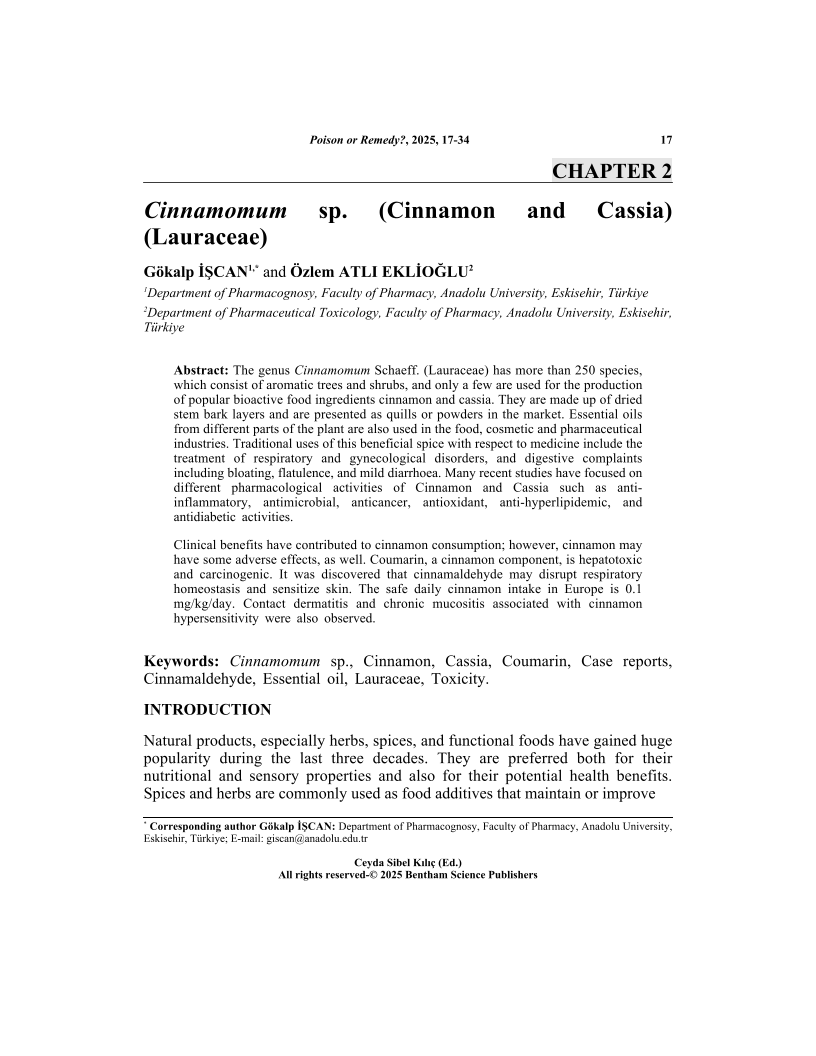
The genus Cinnamomum Schaeff. (Lauraceae) has more than 250 species, which consist of aromatic trees and shrubs, and only a few are used for the production of popular bioactive food ingredients cinnamon and cassia. They are made up of dried stem bark layers and are presented as quills or powders in the market. Essential oils from different parts of the plant are also used in the food, cosmetic and pharmaceutical industries. Traditional uses of this beneficial spice with respect to medicine include the treatment of respiratory and gynecological disorders, and digestive complaints including bloating, flatulence, and mild diarrhoea. Many recent studies have focused on different pharmacological activities of Cinnamon and Cassia such as antiinflammatory, antimicrobial, anticancer, antioxidant, anti-hyperlipidemic, and antidiabetic activities.<br><br>Clinical benefits have contributed to cinnamon consumption; however, cinnamon may have some adverse effects, as well. Coumarin, a cinnamon component, is hepatotoxic and carcinogenic. It was discovered that cinnamaldehyde may disrupt respiratory homeostasis and sensitize skin. The safe daily cinnamon intake in Europe is 0.1 mg/kg/day. Contact dermatitis and chronic mucositis associated with cinnamon hypersensitivity were also observed.
-
From This Site
/content/books/9789815274318.chapter-2dcterms_subject,pub_keyword-contentType:Journal -contentType:Figure -contentType:Table -contentType:SupplementaryData105
