


Andrographolides An Overview

- Authors: S. Karuppusamy1, T. Pullaiah2, Vinod K. Nelson3
-
View Affiliations Hide Affiliations1 Department of Botany, The Madura College, Madurai 625011, Tamil Nadu, India 2 Department of Botany, Sri Krishnadevaraya University, Anantapur 515003, Andhra Pradesh, India 3 Centre for Global Health Research, Saveetha Medical College and Hospital, Saveetha Institute of Medical and Technical Sciences, Chennai 602105, Tamil Nadu, India
- Source: Andrographolide and its Analogs: Botanical Sources, Phytochemistry, Pharmacology, and Biotechnology , pp 1-9
- Publication Date: December 2024
- Language: English


Andrographolides An Overview, Page 1 of 1
< Previous page | Next page > /docserver/preview/fulltext/9789815256567/chapter-1-1.gif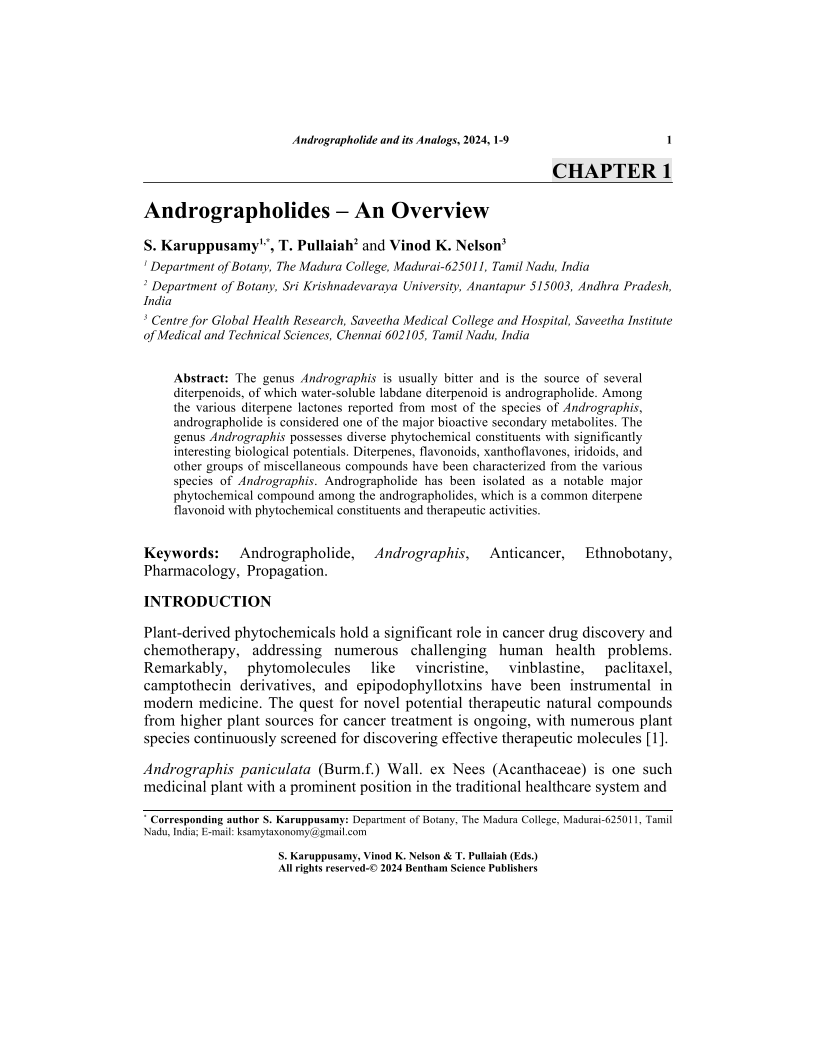
The genus Andrographis is usually bitter and is the source of several diterpenoids, of which water-soluble labdane diterpenoid is andrographolide. Among the various diterpene lactones reported from most of the species of Andrographis, andrographolide is considered one of the major bioactive secondary metabolites. The genus Andrographis possesses diverse phytochemical constituents with significantly interesting biological potentials. Diterpenes, flavonoids, xanthoflavones, iridoids, and other groups of miscellaneous compounds have been characterized from the various species of Andrographis. Andrographolide has been isolated as a notable major phytochemical compound among the andrographolides, which is a common diterpene flavonoid with phytochemical constituents and therapeutic activities.
-
From This Site
/content/books/9789815256567.chapter-1dcterms_subject,pub_keyword-contentType:Journal -contentType:Figure -contentType:Table -contentType:SupplementaryData105
