


Nematode Problems in Medicinal Plants
- Authors: Rakesh Pandey1, Mujeebur Rahman Khan2, Ziaul Haque3, Irfan Ahmad4
-
View Affiliations Hide Affiliations1 Microbial Technology and Nematology Division, CSIR Central Institute of Medicinal and Aromatic Plants, CIMAP, Lucknow, Uttar Pradesh, India 2 Department of Plant Protection, Faculty of Agricultural Sciences, Aligarh Muslim University, Aligarh, India 3 Department of Plant Protection, Faculty of Agricultural Sciences, Aligarh Muslim University, Aligarh, India 4 Department of Plant Protection, Faculty of Agricultural Sciences, Aligarh Muslim University, Aligarh, India
- Source: Diseases of Ornamental, Aromatic and Medicinal Plants , pp 308-334
- Publication Date: June 2024
- Language: English


Nematode Problems in Medicinal Plants, Page 1 of 1
< Previous page | Next page > /docserver/preview/fulltext/9789815223071/chapter-9-1.gif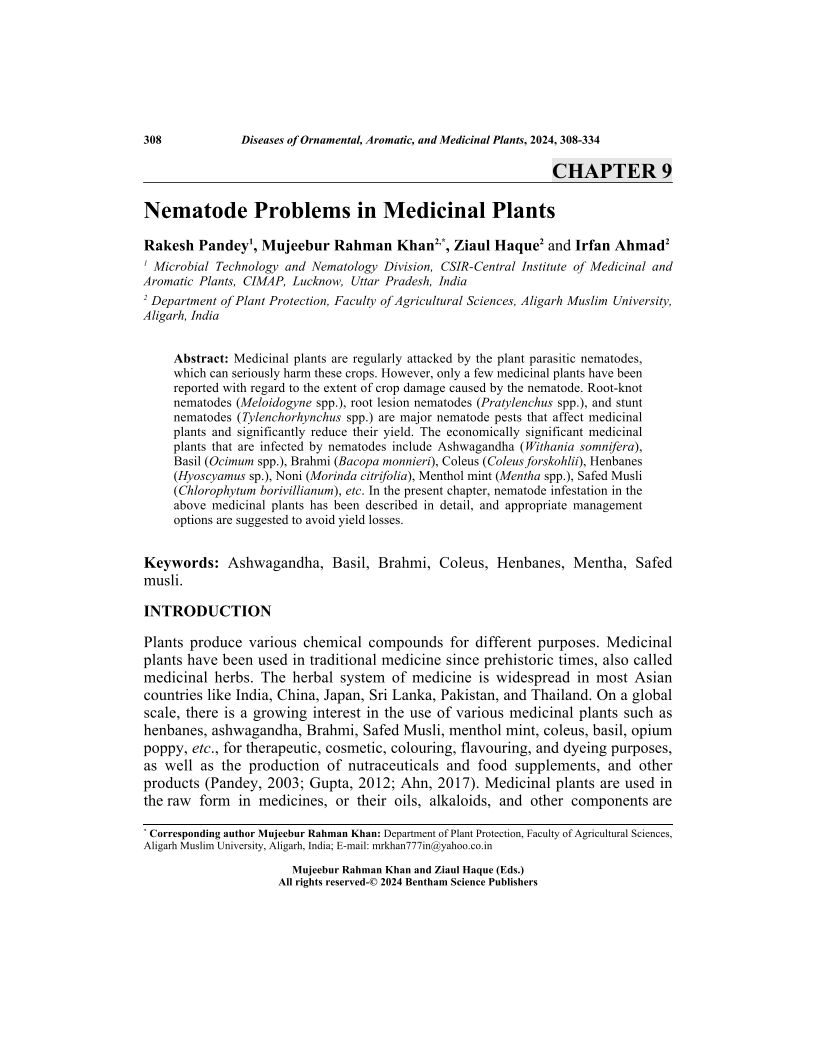
Medicinal plants are regularly attacked by the plant parasitic nematodes, which can seriously harm these crops. However, only a few medicinal plants have been reported with regard to the extent of crop damage caused by the nematode. Root-knot nematodes (Meloidogyne spp.), root lesion nematodes (Pratylenchus spp.), and stunt nematodes (Tylenchorhynchus spp.) are major nematode pests that affect medicinal plants and significantly reduce their yield. The economically significant medicinal plants that are infected by nematodes include Ashwagandha (Withania somnifera), Basil (Ocimum spp.), Brahmi (Bacopa monnieri), Coleus (Coleus forskohlii), Henbanes (Hyoscyamus sp.), Noni (Morinda citrifolia), Menthol mint (Mentha spp.), Safed Musli (Chlorophytum borivillianum), etc. In the present chapter, nematode infestation in the above medicinal plants has been described in detail, and appropriate management options are suggested to avoid yield losses.
-
From This Site
/content/books/9789815223071.chapter-9dcterms_subject,pub_keyword-contentType:Journal -contentType:Figure -contentType:Table -contentType:SupplementaryData105
